Not churros or panettone: three Mallorcan sweets perfect for dunking in hot chocolate this Christmas
By Santiago Carneri • Updated: 17 Dec 2025 • 17:55 • 2 minutes read
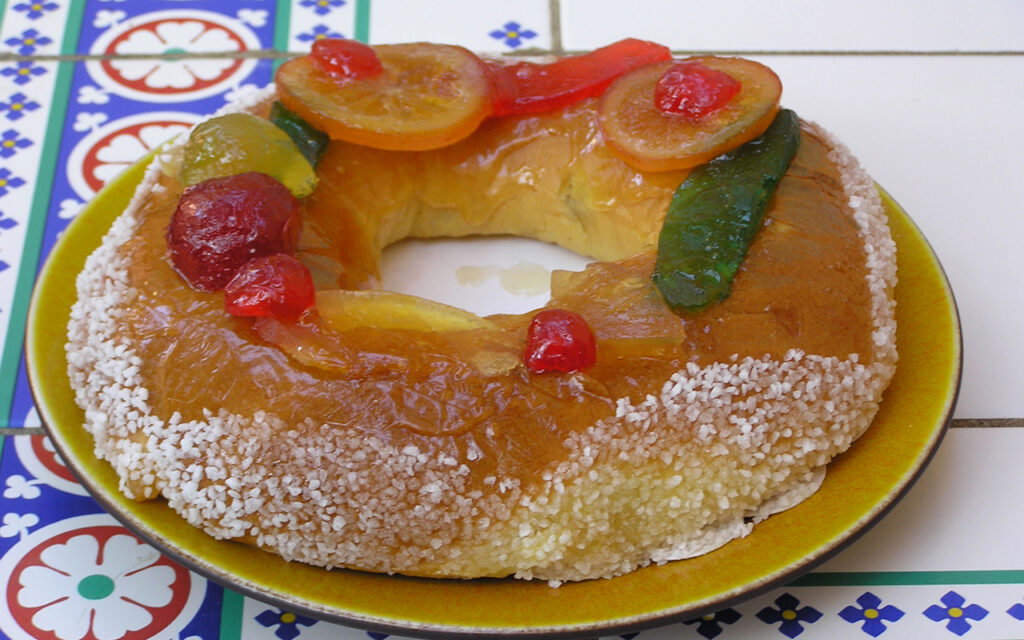
Coca de Nadal. Credit: Moumousse13 / Creative Commons
At the heart of the Christmas season, Mallorcan sweets are regaining popularity as the preferred companion to classic hot chocolate or a cup of milky coffee. Far from the usual churros or sponge cakes, Mallorca offers traditional alternatives that elevate the festive culinary experience. The so-called quemullars are a range of cakes or buns enjoyed especially in winter, and particularly at Christmas, thanks to their texture and flavour, which make them perfect for dunking in warm drinks.
Soaking up chocolate without falling apart
These treats are renowned for their ability to absorb chocolate or milk without disintegrating, striking a perfect balance between texture and taste. While quemullars are eaten throughout the year, their peak popularity occurs during Mallorca’s festive period, where they are an essential part of breakfasts, afternoon treats, and family or social gatherings. Among the most famous are three varieties: the iconic ensaïmada, the traditional coca de anís, and the quarto or coca de cuarto. Each offers unique qualities that make them ideal for dunking, which explains their enduring popularity.
Ensaïmada: Mallorca’s jewel
The ensaïmada is undoubtedly Mallorca’s flagship sweet and a dessert that represents the island internationally. Its name derives from saïm, Mallorcan lard, which is added to the dough to give it its distinctive aroma and texture. This spiralled brioche is light, airy, and slightly crisp on the outside. Its soft, absorbent crumb makes it the perfect companion to a cup of hot chocolate, delivering a sublime contrast: when dipped, the ensaïmada soaks up the liquid without falling apart, offering a juicy, enveloping flavour, like a true ‘warm hug in every bite’.
Coca de anís: tradition and aroma
Another gem among the quemullars is the coca de anís, deeply rooted in Mallorcan bakeries during Christmas. Also known as the “coca de Nadal”, this sweet dough contains anise, giving it a distinctive aroma and flavour. The recipe includes flour, eggs, sugar, and anise seeds or essence, resulting in a tender, lightly sweet brioche-like dough. Dunked in chocolate or hot milk, the coca de anís achieves the perfect harmony between sweetness, the intense scent of anise, and the comforting warmth of the drink, creating a delightful experience ideal for chilly winter afternoons.
Quarto: the spongy treat that completes the trio
The quarto, also called coca de cuarto, is an extremely light and spongy cake, celebrated for its almost ethereal texture that melts gently in the mouth. The basic recipe combines mainly eggs, sugar, and potato starch or cornflour, providing a unique elasticity and lightness. Unlike other cakes, the quarto contains no yeast; its airy texture is achieved purely through careful whisking of the egg whites and yolks. Perfect for dunking in hot chocolate, its delicate crumb quickly absorbs the thick liquid, transforming into a melting, comforting bite.
Adding a Mallorcan touch to your festive season
These three sweets are more than just accompaniments: they are a reflection of Mallorca’s rich culinary tradition and show how a dessert can become the centrepiece of family gatherings at Christmas. Whether it’s the light ensaïmada, the aromatic coca de anís, or the spongy quarto, each offers a unique experience when dipped in hot chocolate, bringing the warmth and flavour of the island to every festive breakfast or afternoon treat.
Sign up for personalised news
Subscribe to our Euro Weekly News alerts to get the latest stories into your inbox!
By signing up, you will create a Euro Weekly News account if you don't already have one. Review our Privacy Policy for more information about our privacy practices.




Santiago Carneri
Santiago is a freelance journalist, writer, photographer, and documentary producer with over a decade of experience reporting from Paraguay and Brazil. His work has appeared in The New York Times, The Guardian, Vice News, BBC, Associated Press, France Press, Der Spiegel, Deutsche Welle, El País, and more. Now based in Dénia—his self-described secret paradise—Santi contributes to Euro Weekly News, bringing a global perspective to both local and international stories. Outside of journalism, he enjoys boxing and cultivating his home garden.
Comments