Eurostar chaos after channel tunnel power failure leaves travellers stranded
By Farah Mokrani • Published: 30 Dec 2025 • 16:43 • 2 minutes read
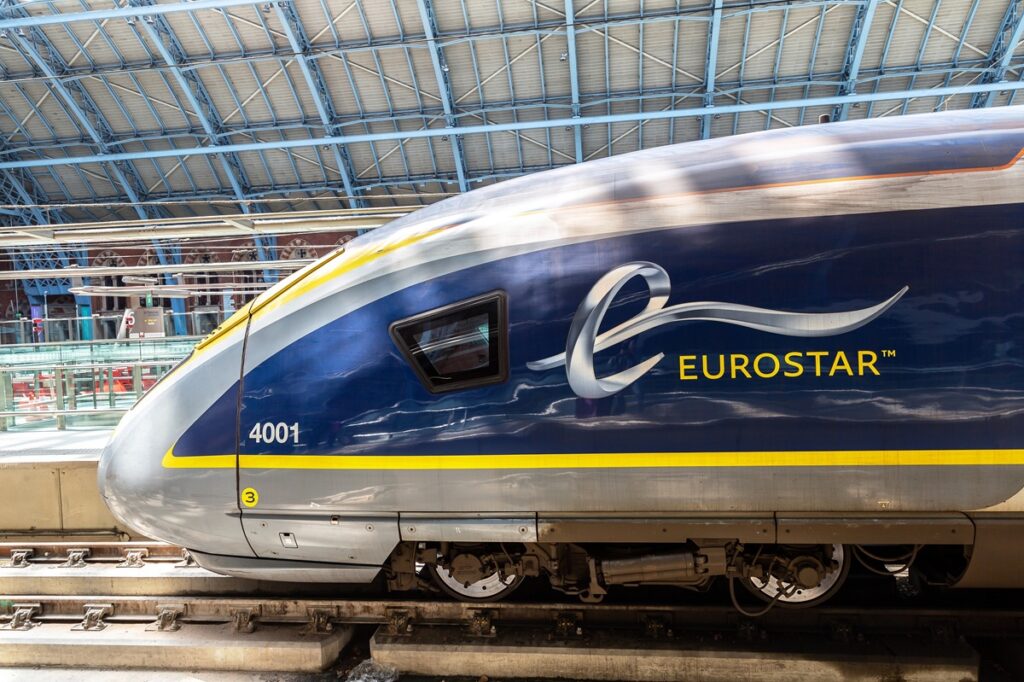
Eurostar services were disrupted after a power supply fault in the Channel Tunnel. Credit : Sergii Figurnyi, Shutterstock
Passengers travelling between the UK and mainland Europe faced a day of disruption on Tuesday, December 30, after Eurostar suspended services between London, Paris, Brussels and Amsterdam, following a technical incident inside the Channel Tunnel.
The operator warned early in the day that major delays and last-minute cancellations were likely, urging travellers to postpone their journeys as engineers worked to resolve the problem. The disruption affected one of Europe’s busiest international rail links, with London St Pancras and Paris Gare du Nord among the stations most impacted.
For many passengers, the advice came as plans were already under way, leaving travellers stranded, rebooking at short notice or scrambling for alternatives.
What went wrong inside the Channel Tunnel
According to Eurostar, the incident was caused by a power supply failure inside the Channel Tunnel, compounded by the stoppage of a shuttle train operated by Getlink, the company that runs the tunnel. These shuttle trains transport cars, lorries and coaches between France and the UK.
Speaking to AFP, a Eurostar spokesperson said the issue involved “a problem with the electrical supply in the Channel Tunnel, made worse by the stoppage of a shuttle train in the middle of the tunnel”.
Getlink confirmed that a technical intervention was under way, explaining that engineers were working on the overhead power cables supplying trains beneath the Channel.
“This morning, an incident linked to a failure in the power supply to trains in the tunnel required technical work on the cables, which is currently being carried out,” a Getlink spokesperson told AFP.
The incident was reported shortly before 1pm, triggering an immediate suspension of services for safety reasons.
Gradual return, but delays expected to continue
While the initial disruption was severe, Getlink later announced that train traffic would resume progressively from around 3pm. However, Eurostar cautioned passengers that it could not guarantee exact departure times, warning that delays would continue until services returned fully to normal.
Neither Eurostar nor Getlink provided figures on how many passengers were affected.
Eurostar also asked customers not to travel to affected stations unless they already held a ticket for the day, advising others to rebook their journeys for a later date. The company said affected passengers would be offered flexible options, including changes or refunds, though capacity remained limited.
The uncertainty was echoed by National Rail, which coordinates train services across Great Britain. It also urged passengers to change their travel plans, warning that disruption in the Channel Tunnel would have knock-on effects across the wider rail network.
A busy route disrupted at a critical time
The suspension hit at a particularly sensitive moment. Eurostar services are heavily used during the holiday period, with travellers moving between the UK and destinations including Paris, Brussels, Amsterdam and Disneyland Paris.
For many passengers, Eurostar is the preferred option for cross-Channel travel, offering speed and convenience compared with flying or ferries. Tuesday’s disruption forced many to reconsider their plans, with alternative options either fully booked or significantly more expensive.
The incident also highlighted the vulnerability of the Channel Tunnel, a single piece of infrastructure on which millions of passengers rely each year. When problems occur below the Channel, the impact is felt immediately on both sides.
By late afternoon, trains were beginning to move again, but the situation remained fragile. Eurostar warned that further delays were likely as services were gradually restored and rolling stock repositioned.
For now, passengers are being advised to check official updates before travelling and to allow extra time if their journeys cannot be postponed.
The disruption serves as a reminder that even one technical fault can bring Europe’s most important rail link to a standstill – at least for a few frustrating hours.
Sign up for personalised news
Subscribe to our Euro Weekly News alerts to get the latest stories into your inbox!
By signing up, you will create a Euro Weekly News account if you don't already have one. Review our Privacy Policy for more information about our privacy practices.





Farah Mokrani
Farah is a journalist and content writer with over a decade of experience in both digital and print media. Originally from Tunisia and now based in Spain, she has covered current affairs, investigative reports, and long-form features for a range of international publications. At Euro Weekly News, Farah brings a global perspective to her reporting, contributing news and analysis informed by her editorial background and passion for clear, accurate storytelling.
Comments