Europe’s most popular cities are cracking down on tourists – Here’s where and why
By Farah Mokrani • Updated: 02 Feb 2026 • 12:32 • 3 minutes read
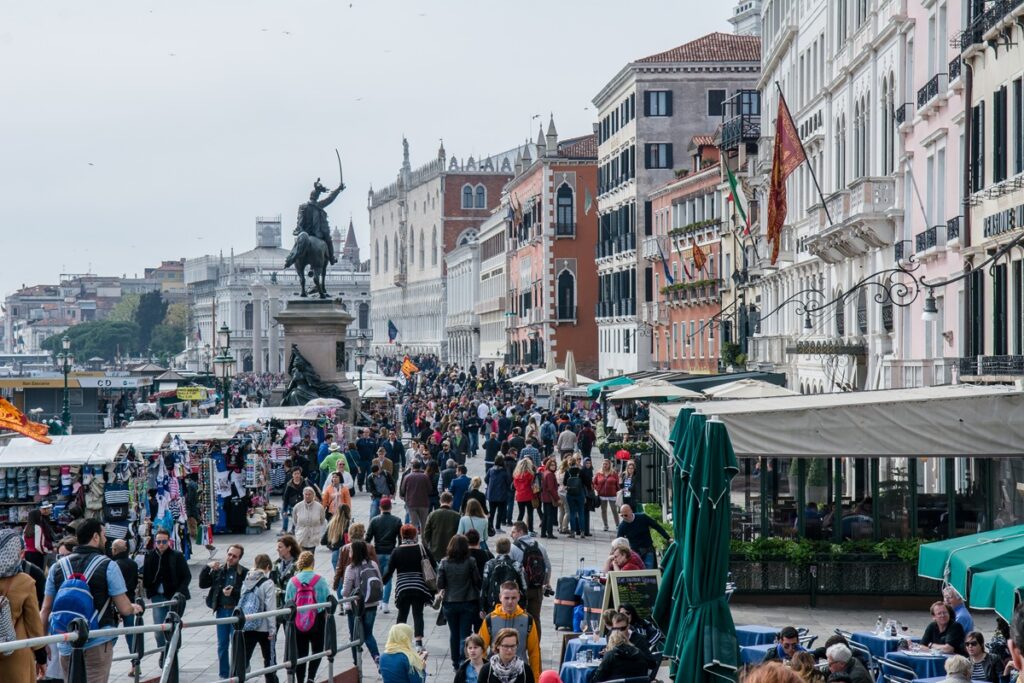
Venice struggles with overtourism as authorities tighten controls on visitor numbers. Credit : Dejan-Milosavljevic, Shutterstock
For years, Europe sold itself on the same promise: cheap flights, short breaks, and the idea that every historic city was an open playground. It worked. A little too well.
In some destinations, the number of visitors now dwarfs the number of residents. Streets clog up before midday, rents spiral, and locals quietly leave. After Covid briefly emptied city centres, tourism came roaring back – and in many places, tolerance ran out.
So cities have stopped asking nicely. Instead, they are tightening the rules, charging fees, setting limits, and, in some cases, flat-out refusing more visitors.
Here’s where the pushback is already happening.
Venice draws the line with entry fees and hard limits
Venice has become the poster child for overtourism, and not by choice. On busy days, the city is packed wall to wall with day-trippers who arrive in the morning and leave by sunset.
In response, Venice introduced something almost unthinkable a few years ago: an entry fee for day visitors, set between €5 and €10 depending on demand. Visitors must book and pay in advance.
The aim isn’t to shut tourism down, officials insist, but to reduce the sheer volume of people passing through without really engaging with the city.
That policy comes on top of banning large cruise ships from the lagoon, shrinking guided tour groups, and outlawing loudspeakers used by tour guides. Venice is still open – just not unlimited.
Ibiza tackles the chaos by cutting car numbers
Ibiza’s problem isn’t a lack of visitors. It’s too many of them, arriving with cars on an island that simply can’t cope.
With more than three million tourists a year and a resident population of around 160,000, locals have complained for years about gridlock, noise and overcrowded roads.
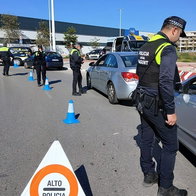
The Balearic authorities have now stepped in. Between January and September, only 20,000 non-resident vehicles per day are allowed on the island, including rentals. All must be registered in advance.
It’s a clear attempt to ease pressure without killing tourism outright – fewer cars, fewer jams, and slightly more breathing room.
Dubrovnik slows the flow, one cruise ship at a time
Dubrovnik knows the damage mass tourism can do. At peak times, the city has hosted dozens of visitors per resident, many arriving all at once by cruise ship.
The solution has been to slow everything down. Only two cruise ships a day are allowed to dock, and they can’t stay longer than eight hours. Some attractions now require advance booking, and tour buses are more tightly regulated.
The message is subtle but firm: fewer people, longer stays, and less pressure on a fragile historic centre.
Amsterdam targets the tourism machine, not the tourists
Amsterdam has gone after the system feeding mass tourism rather than the visitors themselves.
The city has raised its tourist tax to 12.5 per cent, frozen new hotel construction, and imposed strict limits on short-term rentals – in some neighbourhoods, just 15 nights a year.
Local leaders have been blunt. Amsterdam wants visitors, but not at the cost of becoming a theme park where residents can no longer afford to live.
Bruges quietly tightens the screws
Bruges looks calm, but it receives more than eight million visitors a year, most of them day-trippers.
Since 2019, only two cruise ships a day can dock nearby. New hotels and holiday lets are no longer authorised, and guided groups are capped at 20 people.
It’s not a ban. It’s a slowdown – and a signal that the city is prioritising long-term liveability over short-term numbers.
What this means for travellers
None of these cities are closing their doors. But the days of turning up without a plan, expecting unlimited access, are clearly fading.
Across Europe, other destinations are watching closely. More entry fees, visitor caps and rental limits are likely to follow.
For tourists, it means planning ahead. For residents, it’s a long-overdue shift.
And for Europe’s most famous cities, it may be the only way to survive their own popularity.
Stay tuned with Euro Weekly News for more news about Travel
Sign up for personalised news
Subscribe to our Euro Weekly News alerts to get the latest stories into your inbox!
By signing up, you will create a Euro Weekly News account if you don't already have one. Review our Privacy Policy for more information about our privacy practices.

Farah Mokrani
Farah is a journalist and content writer with over a decade of experience in both digital and print media. Originally from Tunisia and now based in Spain, she has covered current affairs, investigative reports, and long-form features for a range of international publications. At Euro Weekly News, Farah brings a global perspective to her reporting, contributing news and analysis informed by her editorial background and passion for clear, accurate storytelling.
Comments