Going grocery shopping? New EU alerts reveal risks in imported fruit and vegetables
By Dora Urbancsek • Updated: 16 Feb 2026 • 8:41 • 3 minutes read
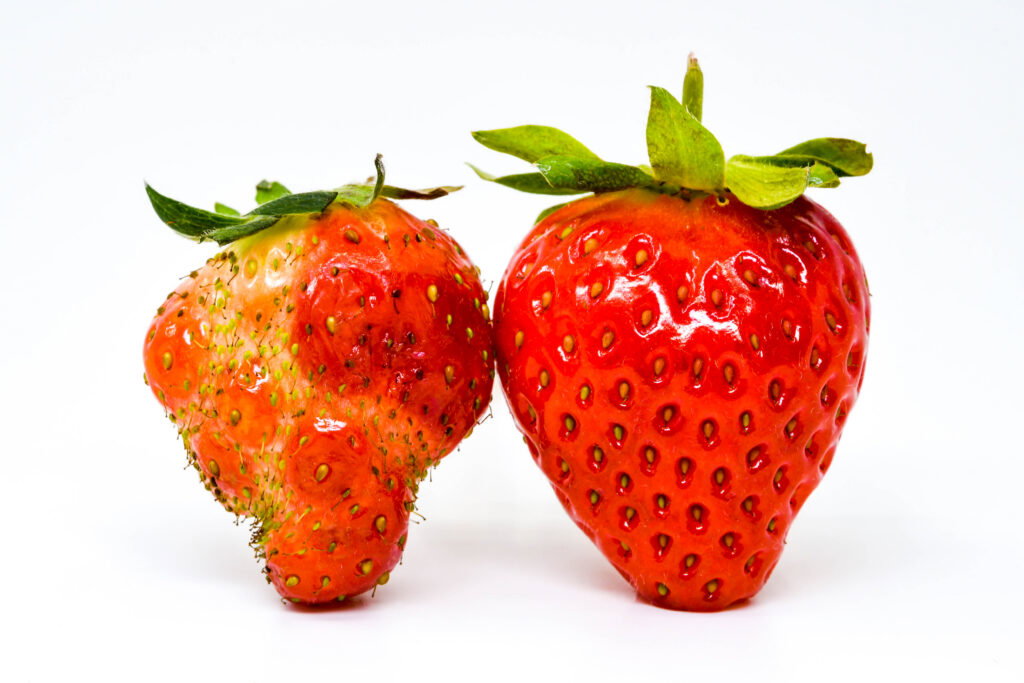
Infected strawberry with visible sign, illustrating EU food safety alerts linked to Moroccan fruit imports in Spain. Credit: Shutterstock/Ceri Breeze
Morocco supplies a large share of the fresh produce sold across Spain and the wider EU, especially soft fruit (strawberries, blueberries, raspberries) and winter vegetables such as tomatoes and peppers. Most shipments meet EU standards, but a steady stream of official border notifications shows where problems keep appearing: foodborne viruses, pesticide residues, and, in a smaller number of cases, heavy metals or foreign bodies.
What is wrong with some shipments
EU border authorities and national food safety bodies share alerts through the Rapid Alert System for Food and Feed (RASFF). Recent notifications linked to Moroccan produce typically fall into four buckets:
Foodborne viruses in berries
Soft fruit is eaten raw, so contamination matters. Spain triggered a high profile alert after hepatitis A was detected in strawberries from Morocco at the point of entry. RASFF also records cases involving norovirus in berries from Morocco, including blueberries.
Pesticide residues above EU limits or unauthorised substances
RASFF notifications in late 2025 and early 2026 include findings related to pesticide residues, including chlorpyrifos (an unauthorised substance in the EU) and other residues flagged at inspection.
Heavy metals
In late 2025, Spanish authorities flagged cadmium in a shipment of tomatoes from Morocco above the EU limit, according to reports referencing the RASFF entry.
Physical contamination
RASFF listings also include occasional “foreign body” cases for produce categories, which can lead to rejections, withdrawals, or additional checks.
Did any of it reach shops?
Often, the most serious detections happen at the border, before products are widely distributed. The hepatitis A strawberry alert, for example, is described as being detected at entry into Spain.
However, not every notification is the same. Some RASFF entries can show limited follow up or “no further action”, and distribution can vary by case, depending on when the sample was taken and how quickly the lot can be traced. Border detections usually stop a consignment, while market detections can trigger withdrawal or recall if the batch has already moved into retail or food service.
What measures are being taken now
EU institutions have been moving to tighten import controls. In December 2025, the European Commission announced measures to reinforce controls on imported food and agricultural products, including a stronger focus on pesticide residues and more efficient, risk based checks.
Practical tips to avoid poor quality produce
- Check the origin label (country of origin is required on most fresh produce). If you are avoiding imports, be consistent: look for “Spain” or EU origin on the sticker, crate label, or shelf tag.
- Buy seasonal when possible. Out of season berries and tomatoes are more likely to be long haul, heavily handled, and stored longer.
- Inspect soft fruit carefully: avoid punnets with crushed berries, excess liquid, mould, or a fermented smell.
- Rinse, then dry. Washing under running water and drying with kitchen paper reduces surface dirt and helps slow spoilage. (It does not “sterilise” the fruit, but it helps.)
- Prioritise intact produce. Choose unbroken skins (tomatoes, peppers, cucumbers) where contamination is less likely to enter through damage.
- Use the fridge strategically: berries in the coldest part, loosely covered, with a paper towel to absorb moisture.
- If you are vulnerable (pregnant, immunocompromised), consider cooking higher risk items more often (sauces, compotes) instead of eating them raw.
What This Means for Spain’s Supermarkets
There is no ban on Moroccan produce in Spain, and most shipments comply with EU rules. Alerts tend to make headlines, but they are part of a system designed to catch problems early, often before goods reach supermarket shelves. Spain also acts as one of the main gateways for fruit and vegetables entering Europe from North Africa, which explains why it appears frequently in border notifications.
One thing to keep in mind: recent wildfires, drought and flooding in parts of Spain have reduced local harvests in some areas, pushing supermarkets to rely more heavily on imports to keep shelves stocked.
So what should shoppers do? Stay informed, check labels and follow official recall notices when they are issued. Moroccan fruit and vegetables remain widely available in Spain, with controls in place to address issues when they arise.
Sign up for personalised news
Subscribe to our Euro Weekly News alerts to get the latest stories into your inbox!
By signing up, you will create a Euro Weekly News account if you don't already have one. Review our Privacy Policy for more information about our privacy practices.



Dora Urbancsek
Dora Urbancsek is an SEO writer with over eight years of experience producing high-quality, search-optimised journalism and digital content. Based in Spain for more than five years, she covers a wide range of topics concerning Spain and Europe, including current affairs, community stories, culture, and lifestyle. Dora is known for accurate, well-researched reporting that keeps readers informed and engaged.
Comments