New migrant plan could bring life back to Spain’s empty rural towns
By Molly Grace • Published: 29 Apr 2026 • 16:23 • 3 minutes read
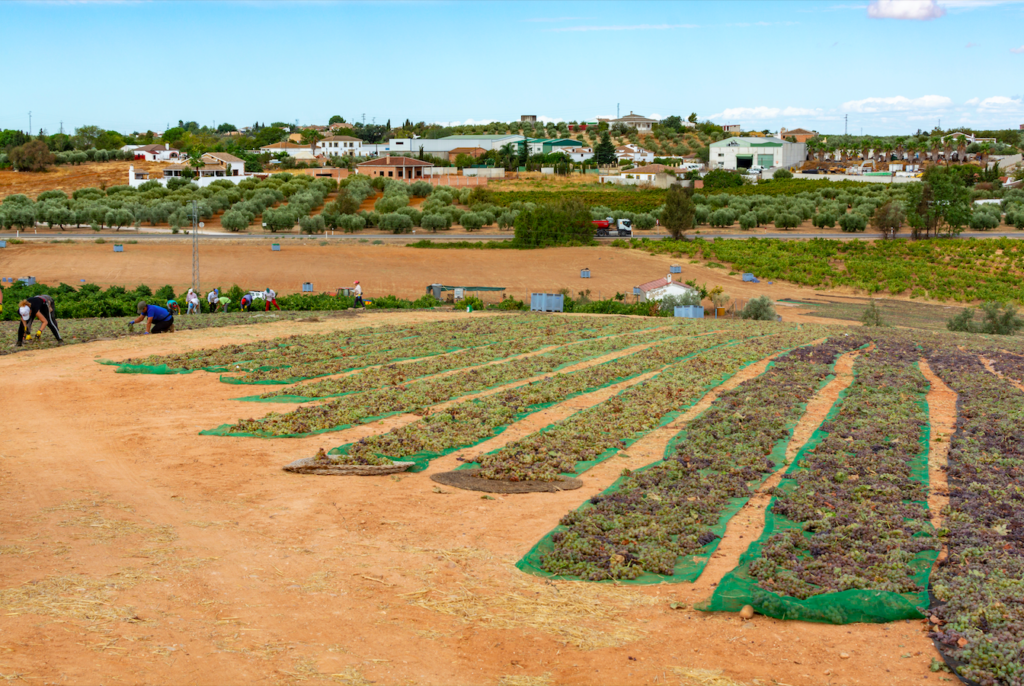
With legal permission to work, individuals may be more willing to relocate to smaller towns. Photo credit: barmalini/Shutterstock
Spain’s extraordinary migrant regularisation programme has been welcomed by the agricultural sector as a way to address labour shortages, but its effects may reach beyond farms and packing houses. Analysts and rural organisations say the policy could also offer a fresh opportunity for parts of inland Spain that have spent decades losing population, ageing rapidly and struggling to sustain local services. The issue is often described as La España Vacía (empty Spain), a term used to refer to provinces and villages where depopulation has reshaped daily life.
In many municipalities, schools have closed, public transport has been reduced and businesses have disappeared as younger residents moved to cities in search of work. The arrival of new legally recognised residents could help slow that decline if employment and housing are available. Under the current scheme, foreign nationals living in Spain without legal status can apply for residence and work permits during a limited period. More than 130,000 applications were filed in the first week after the decree entered into force, according to recent reports, showing strong demand for access to legal employment.
Rural Spain Faces a Long-Term Population Crisis
Large parts of provinces such as Soria, Teruel, Cuenca and Zamora have some of the lowest population densities in western Europe. Many villages have seen a steady fall in residents over several generations, leaving a growing share of elderly people and fewer working-age adults. This demographic imbalance has practical consequences. Local councils often find it harder to justify schools, health centres, banking services and transport links when resident numbers fall.
Employers in agriculture, food production, construction and care services also face difficulties recruiting staff locally. In some areas, migrants have already helped keep communities functioning. Previous waves of newcomers have reopened village schools, rented empty homes and taken jobs that would otherwise have remained vacant. The new regularisation process may increase that trend by allowing people already living in Spain to settle more securely outside major cities.
Legal Status Could Change Settlement Patterns
Many undocumented migrants concentrate in urban areas because informal work, support networks and administrative services are easier to access there. Once residence rights are granted, that calculation can change. With legal permission to work, individuals may be more willing to relocate to smaller towns where employers need staff and living costs are lower.
Rural municipalities often offer cheaper rents than Madrid, Barcelona or coastal tourist centres, where housing pressure has become a major concern. For families, stability matters as much as wages. Legal residence can make it easier to register children in school, sign formal rental contracts and access public services. Those factors may encourage longer-term settlement rather than temporary movement between seasonal jobs.
Agriculture Could Be the First Entry Point
The strongest immediate link between regularisation and rural repopulation is agriculture. Many of the regions most affected by labour shortages are also areas facing population decline. Olive groves, vineyards, fruit farms and horticultural centres require workers each year, yet local labour pools are often limited. If farms can recruit from a newly regularised workforce, some workers may choose to remain nearby after harvest seasons rather than return to larger cities.
That creates demand for shops, transport, schools and other local services. The impact would not be uniform. Some remote villages still lack housing, transport connections or digital infrastructure. Others may struggle to integrate newcomers without adequate language support or public investment. Regularisation alone cannot reverse decades of demographic change.
Local Councils Are Already Seeking Residents
Several rural municipalities across Spain have launched initiatives in recent years to attract new inhabitants, including support for entrepreneurs, access to municipal housing and incentives for families. A larger pool of residents with legal work rights could strengthen those efforts. For mayors trying to preserve basic services, even modest population gains can make a difference.
A handful of new families may be enough to keep a classroom open or sustain a village shop. Whether the programme benefits La España Vacía will depend partly on how efficiently applications are processed. Delays in permits or paperwork could postpone access to formal jobs and slow relocation plans.
A Chance to Address Two Problems at Once
Housing is another obstacle. While many rural areas have empty properties, some require renovation or are not available for long-term rent. Transport links also remain weak in parts of inland Spain, limiting access to work and services. Integration will matter too. Successful settlement usually depends on schools, healthcare, community support and clear employment conditions rather than residency papers alone.
Spain’s regularisation plan was introduced to bring undocumented residents into the legal labour market and respond to staffing shortages in sectors such as agriculture. Yet it may also offer a response to another national challenge: the hollowing out of rural Spain. If even a portion of newly regularised migrants choose to build lives in underpopulated towns, the measure could do more than fill vacancies in the fields. It could help restore residents, classrooms and economic activity to places that have been losing all three for years.
Follow Euro Weekly News on Google News
Get breaking news from Spain, travel updates, and expat stories directly on your Google News feed.
Follow on Google NewsSign up for personalised news
Subscribe to our Euro Weekly News alerts to get the latest stories into your inbox!
By signing up, you will create a Euro Weekly News account if you don't already have one. Review our Privacy Policy for more information about our privacy practices.




Molly Grace
Molly is a British journalist and author who has lived in Spain for over 25 years. With a background in animal welfare, equestrian science, and veterinary nursing, she brings curiosity, humour, and a sharp investigative eye to her work. At Euro Weekly News, Molly explores the intersections of nature, culture, and community - drawing on her deep local knowledge and passion for stories that reflect life in Spain from the ground up.
Comments
Martyn King
30 April 2026 • 09:01The undemocratic edict from Sánchez remains overwhelmingly unpopular with the majority of Spaniards of all ages, even among young people. According to the study ‘Jovenes Españoles 2026’, 65% of 15-24-year-olds think that there are too many immigrants here. Spain won’t benefit from this and the long-term damage will be huge, despite attempts to talk it up.
D Bath
02 May 2026 • 08:18Liberals love to use words like ‘could’, ‘should’, ‘may’, ‘maybe’ or ‘might’. Why not just report on the results, which are going to be disastrous.
Comments are closed.