Spain’s 2026 pay rise: Who wins from the new €1,221 minimum wage?
By Farah Mokrani • Updated: 18 Mar 2026 • 9:57 • 2 minutes read
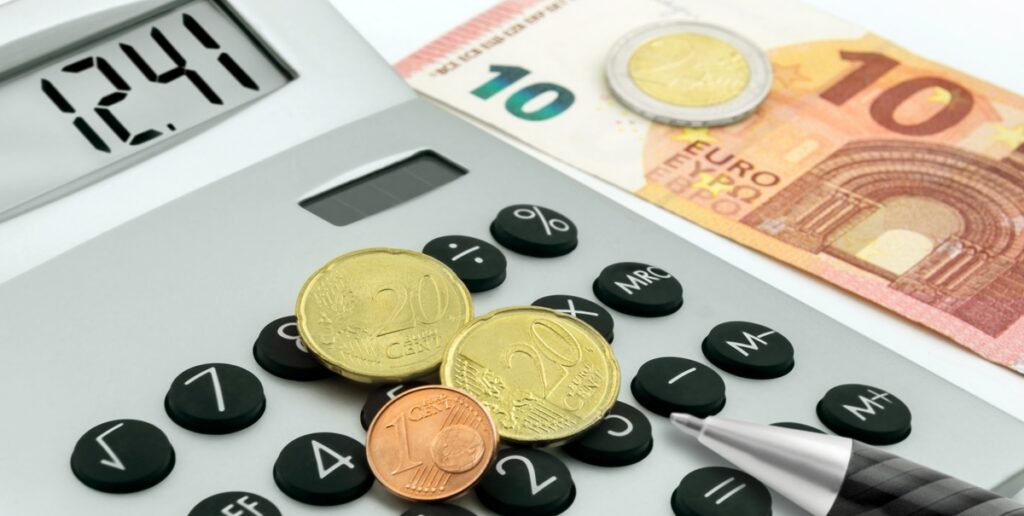
Spain raises minimum wage to €1,221 per month in 2026. Credit : PhotoSGH, Shutterstock
Spain’s minimum wage is climbing once more, and for millions of workers that means a little more breathing space at the end of the month.
This week, the Council of Ministers approved a 3.1 per cent increase in the Salario Mínimo Interprofesional (SMI) for 2026. The new figure is €1,221 gross per month in 14 payments, which works out at €17,094 a year. The rise is backdated to January 1, so anyone affected should see the adjustment reflected in their pay.
It might not sound dramatic at first glance – €37 extra a month – but across a year it adds up to €518 more in gross income.
Who benefits most from the €1,221 minimum wage?
The government estimates that around 2.5 million workers will benefit from the increase, based on 2024 labour data.
Women are the main group affected. Roughly two out of every three people on the minimum wage are female, meaning around 1.6 million women will see their salary rise.
Young workers are also heavily represented. In fact, the share of under-25s earning the minimum wage is almost three times higher than that of workers over 45.
In terms of sectors, agriculture and services stand out. Nearly 28 per cent of agricultural workers and more than 14 per cent of those in services are expected to benefit. Industry and construction are less impacted, just over five per cent in each case.
Regionally, the highest numbers of minimum wage earners are found in Andalusia, Madrid, Valencia and Catalonia. How Spain compares with minimum wages across Europe.
How much per hour – and will you pay tax?
For domestic workers paid by the hour in external arrangements, the new minimum is €9.55 per hour actually worked.
Short-term contracts lasting fewer than 120 days must now pay at least €57.82 per legal working day.
One question that always comes up when the SMI rises is tax. Will workers end up losing some of that increase to IRPF?
According to the government, the answer is no. A new deduction of up to €591 has been approved to ensure that workers earning the minimum wage – €17,094 a year – do not pay income tax.
Those earning slightly above that, up to €20,000 a year, will still benefit from a gradually reducing deduction, designed to avoid a sudden jump into taxation.
Why this rise is bigger than it looks
This agreement was signed between the Ministry of Labour and the trade unions UGT and CC OO. Employer groups CEOE and Cepyme chose not to back it, criticising the way the increase was calculated and raising concerns about its impact on companies.
There’s another important detail tucked into the deal. The government and unions plan to tighten rules to prevent employers from absorbing the wage increase through bonuses or supplements – something unions have long complained about. Employer organisations have already warned they may challenge that in court.
Looking at the bigger picture, the numbers are striking. Since 2018, Spain’s minimum wage has risen by 66 per cent. Back then it stood at €735.90 a month. Today, it is €1,221 – nearly €500 more per month than eight years ago.
For supporters, that’s progress in protecting lower earners against rising living costs. For critics, it raises questions about labour costs and competitiveness.
Either way, from January 2026, millions of workers across Spain will see a slightly higher figure on their payslip – and in today’s economy, even €37 a month can matter.
Follow Euro Weekly News on Google News
Get breaking news from Spain, travel updates, and expat stories directly on your Google News feed.
Follow on Google NewsSign up for personalised news
Subscribe to our Euro Weekly News alerts to get the latest stories into your inbox!
By signing up, you will create a Euro Weekly News account if you don't already have one. Review our Privacy Policy for more information about our privacy practices.




Farah Mokrani
Farah is a journalist and content writer with over a decade of experience in both digital and print media. Originally from Tunisia and now based in Spain, she has covered current affairs, investigative reports, and long-form features for a range of international publications. At Euro Weekly News, Farah brings a global perspective to her reporting, contributing news and analysis informed by her editorial background and passion for clear, accurate storytelling.
Comments