The ancient bone found in Spain that may prove Hannibal was here
By Dora Urbancsek • Published: 22 Feb 2026 • 18:13 • 2 minutes read
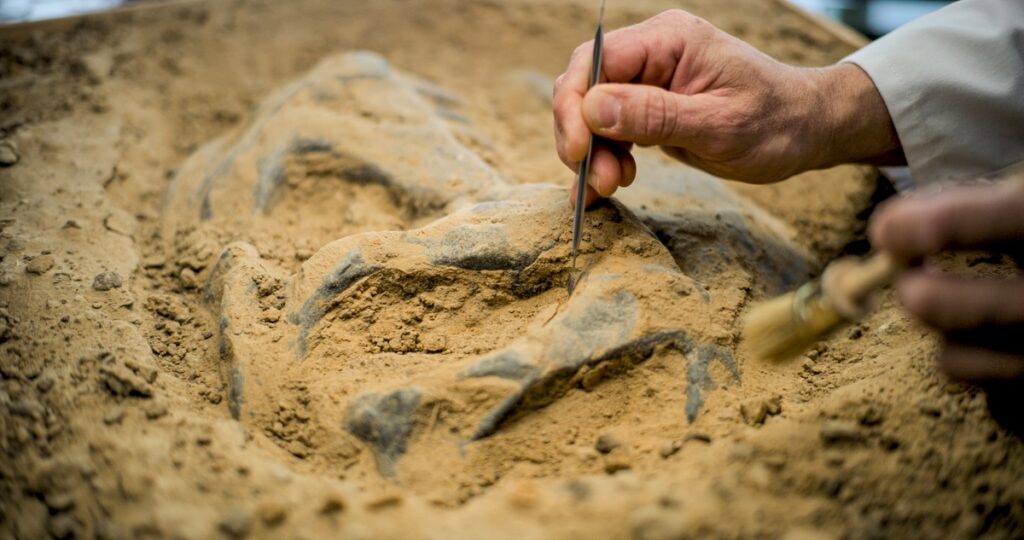
A small elephant bone found at an archaeological site in Córdoba may be the first physical evidence of Hannibal’s war elephants in Spain. Credit: Shutterstock/Frame Stock Footage
A small elephant bone discovered in Córdoba and confirmed by scientists in early 2026 may offer the first real physical proof of Hannibal’s legendary war elephants in Spain. The fragment, dated to around 2,200 years ago, was found at an ancient battlefield site linked to the Second Punic War, when Carthaginian forces moved through Iberia before the general’s famous Alpine campaign.
A tiny bone with huge historical weight
The discovery was made at the Colina de los Quemados archaeological site in Córdoba, an area long linked to ancient conflicts between Carthage and Rome. The bone itself is small, roughly the size of a baseball, and comes from the forefoot of an elephant.
Radiocarbon analysis places it between the 4th and 3rd century BCE, aligning closely with the period of the Second Punic War. That was the era when Hannibal led Carthaginian forces through Iberia before launching his famous invasion of Italy.
What makes the find especially compelling is its context. The bone was uncovered alongside catapult ammunition, ancient coins, and signs of violent destruction, suggesting it belonged to a battlefield environment rather than a later curiosity or trade item.
Why Hannibal’s elephants matter
Hannibal’s elephants are among the most enduring images of ancient warfare. Historical accounts describe how he used the animals to terrify Roman troops and gain a tactical edge, most famously during his march across the Alps.
Until now, however, physical evidence has been almost absent. Most knowledge came from classical texts, artwork, and coins rather than confirmed skeletal remains.
That is why researchers believe the Córdoba bone could represent the first solid archaeological trace of Carthaginian war elephants in Western Europe. While scientists stress that it cannot be directly tied to the animals that crossed the Alps, it still strengthens the case that elephants were actively deployed in Iberian campaigns.
A Spanish chapter of a famous story
For readers in Spain, the discovery highlights how much of Hannibal’s story unfolded on the peninsula before the dramatic Alpine crossing that dominates history books.
Carthaginian forces spent years moving through parts of modern-day Andalucía and eastern Spain, using the region as a staging ground for operations against Rome. Archaeological finds from this period remain relatively rare, which makes even a single bone a major talking point among historians.
Why it is making headlines now
Although the bone was excavated several years ago, the detailed scientific study confirming its age and significance has only recently been published, sparking renewed international attention.
The research appears in the Journal of Archaeological Science: Reports and has been picked up by major science outlets, fuelling debate about whether this could finally provide the missing physical link to one of history’s most famous military legends.
A discovery that reshapes local history
Even without the Hannibal connection, the bone is a reminder of how much history still lies beneath Spain’s surface. Archaeological finds are common across the country, but links to figures as famous as the Carthaginian general are unusual.
It also highlights how parts of Spain played a direct role in events that shaped European history, long before the stories moved north to the Alps.
Follow Euro Weekly News on Google News
Get breaking news from Spain, travel updates, and expat stories directly on your Google News feed.
Follow on Google NewsSign up for personalised news
Subscribe to our Euro Weekly News alerts to get the latest stories into your inbox!
By signing up, you will create a Euro Weekly News account if you don't already have one. Review our Privacy Policy for more information about our privacy practices.





Dora Urbancsek
Dora Urbancsek is an SEO writer with over eight years of experience producing high-quality, search-optimised journalism and digital content. Based in Spain for more than five years, she covers a wide range of topics concerning Spain and Europe, including current affairs, community stories, culture, and lifestyle. Dora is known for accurate, well-researched reporting that keeps readers informed and engaged.
Comments