Study finds pesticide “cocktails” in most European apples. What it means for consumers in Spain
By Molly Grace • Published: 10 Mar 2026 • 21:50 • 4 minutes read
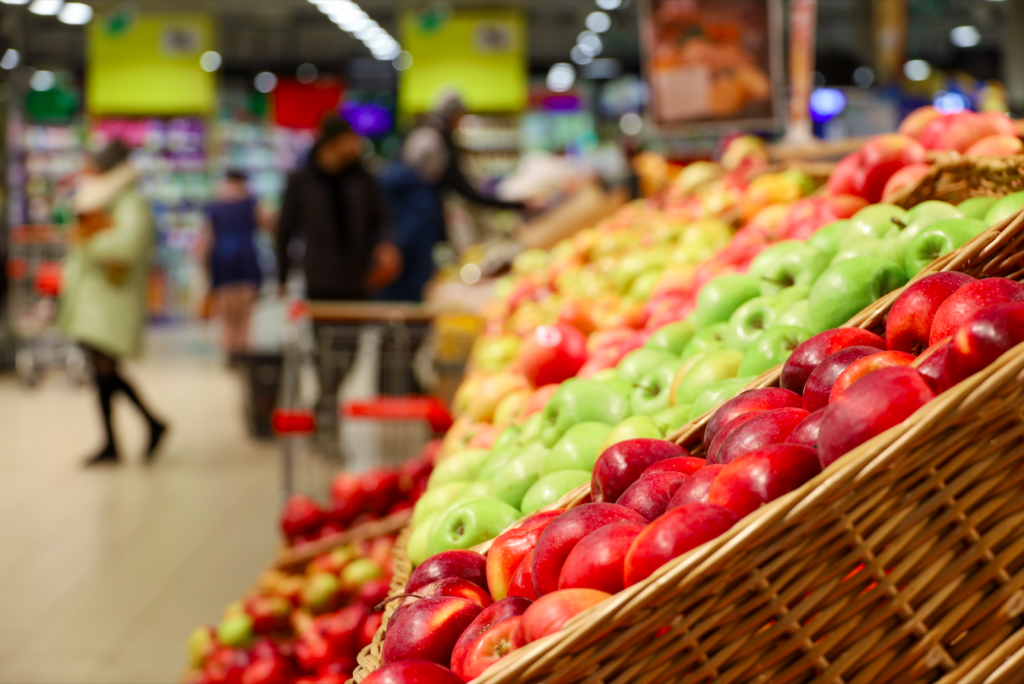
The results showed that 93 percent of apples tested contained at least one pesticide residue. Photo credit: Oleg Elkov/Shutterstock
A new European study has found that almost all conventionally grown apples tested across Europe contain pesticide residues, including those sold in Spain. The findings affect consumers, families and food shoppers across the country because apples are one of the most widely eaten fruits in Spain. The report is attracting attention because it highlights how commonly multiple pesticide residues appear together in fruit sold in supermarkets and markets across Europe.
How the European apple pesticide study was conducted
The findings come from a study published in January 2026 by Pesticide Action Network Europe. Researchers analysed 59 samples of conventionally grown apples purchased in 13 European countries, including Spain, after collecting them from supermarkets and markets in September 2025.
The results showed that 93 percent of apples tested contained at least one pesticide residue, while 85 percent contained residues of multiple pesticides at the same time, sometimes referred to as a “pesticide cocktail”.
For Spain specifically, the study found that around 80 percent of apples tested contained several pesticide residues simultaneously, placing the country roughly in the middle of the European results.
Researchers detected a range of chemicals used in agriculture, including fungicides and insecticides designed to protect apple trees from disease and pests. Some samples contained up to seven different pesticide residues.
The report also found that:
- 64 percent of samples contained PFAS pesticides, sometimes referred to as “forever chemicals”.
- 36 percent contained neurotoxic pesticides.
- 71 percent contained pesticides classified by the EU as among the most hazardous.
Researchers emphasised that the study highlights the prevalence of pesticide mixtures in food rather than proving that apples on sale exceed legal safety limits.
Why the findings matter for consumers in Spain
For residents living in Spain, the report may raise questions about everyday food choices. Apples are widely sold in Spanish supermarkets, local fruit shops and weekly markets, and they are commonly eaten by families and children.
Agriculture experts say pesticide residues in fruit are regulated under EU food safety laws, with maximum residue levels set by authorities to ensure products remain safe to consume. These limits apply to fruit sold in Spain and across the EU.
However, the study highlights what researchers call the “cocktail effect”, the potential impact of exposure to several pesticide residues at once. Current European food safety assessments typically evaluate chemicals individually rather than assessing the combined effect of multiple substances in a single food product.
In practical terms, the findings do not mean apples should be avoided. Apples remain one of the most widely consumed fruits in Europe and are a key part of many healthy diets. But the report has sparked debate among consumer groups and environmental organisations about how pesticide exposure is monitored.
Practical steps shoppers can take when preparing fruit
Food safety experts generally recommend a few simple steps when preparing fruit and vegetables in Spain:
- Wash fruit thoroughly. Rinsing apples under running water can help remove some surface residues and dirt.
- Peel apples if concerned about residues. Removing the skin may reduce exposure to pesticide traces, although it also removes some nutrients.
- Consider organic produce if available. Organic apples are grown without synthetic pesticides, though they are usually more expensive.
- Buy seasonal or local fruit. Local markets in towns and villages often sell produce from nearby farms, which some consumers prefer.
These steps are commonly recommended across Europe for general food hygiene and produce preparation.
Why apples often contain multiple pesticide residues
Researchers say apples frequently show pesticide residues because orchards are treated several times during the growing season to prevent pests and fungal diseases such as apple scab, which can damage crops and reduce yields.
Key findings from the study include:
- 93% of apples tested contained at least one pesticide residue
- 85% contained multiple pesticide residues at the same time
- 64% contained PFAS-based pesticides, sometimes referred to as “forever chemicals”
- 36% contained pesticides classified as neurotoxic
These results highlight how common pesticide mixtures are in conventionally grown apples across Europe. Researchers note that the presence of residues does not necessarily mean safety limits were exceeded, but it demonstrates how frequently several agricultural chemicals can appear together in a single fruit sample.
Questions shoppers commonly ask about pesticide residues
Does this mean apples in Spain are unsafe?
No. Apples sold in Spain must comply with EU pesticide residue limits, which are designed to protect consumer health.
Does this affect all apples?
The study focused on conventionally grown apples. Organic apples generally use different pest control methods and were not the main focus of the research.
Is this only happening in Spain?
No. Apples from multiple European countries were tested, and similar patterns of pesticide residues were found across the continent.
What may happen next in pesticide regulation
The findings are likely to feed into ongoing discussions about pesticide regulation in the European Union. Environmental groups are calling for stronger monitoring of the combined effects of multiple chemicals in food.
Meanwhile, regulators including the European Food Safety Authority continue research into methods for assessing the cumulative risks of pesticide mixtures.
For consumers in Spain, the immediate impact is mainly awareness. Apples remain widely available in supermarkets and markets across the country, but the study highlights a growing debate about how pesticide residues in everyday foods should be measured and regulated in the future.
Sign up for personalised news
Subscribe to our Euro Weekly News alerts to get the latest stories into your inbox!
By signing up, you will create a Euro Weekly News account if you don't already have one. Review our Privacy Policy for more information about our privacy practices.




Molly Grace
Molly is a British journalist and author who has lived in Spain for over 25 years. With a background in animal welfare, equestrian science, and veterinary nursing, she brings curiosity, humour, and a sharp investigative eye to her work. At Euro Weekly News, Molly explores the intersections of nature, culture, and community - drawing on her deep local knowledge and passion for stories that reflect life in Spain from the ground up.
Comments