Spain’s Most Contaminated Fresh Produce
By Molly Grace • Published: 15 Jun 2025 • 23:24 • 2 minutes read
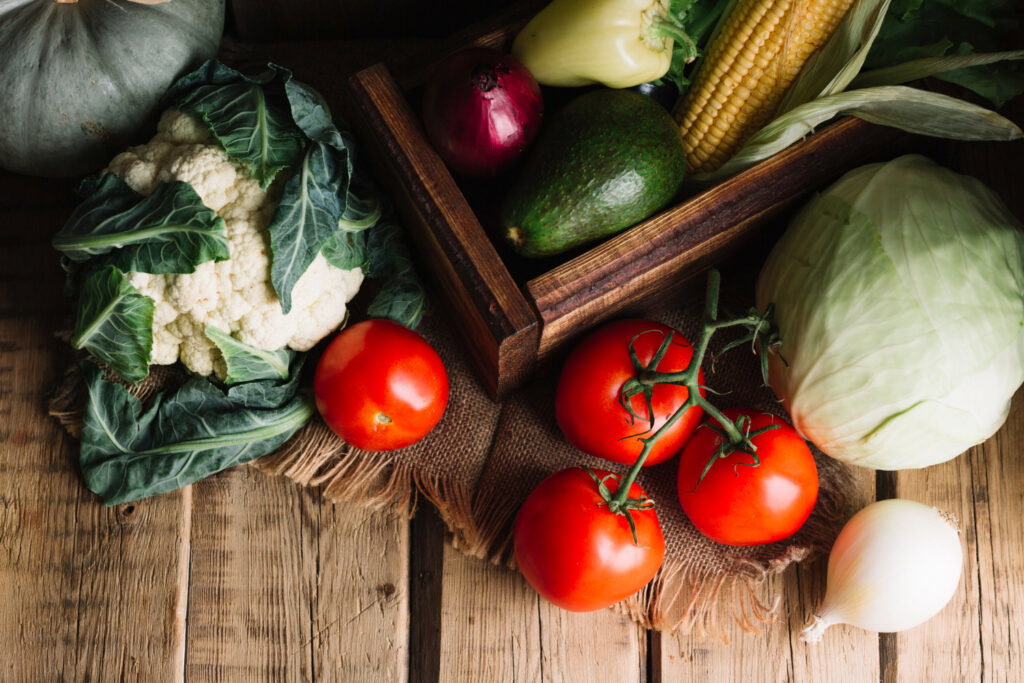
Photo credits: Freepik
With fresh fruits and vegetables being a staple of the Mediterranean diet, many consumers in Spain are concerned about pesticide residues on their produce and how these might affect their health. Recent studies shed light on which fruits and vegetables tend to carry higher pesticide levels—and how shoppers can reduce their exposure while enjoying Spain’s rich variety of fresh foods.
Some Produce Items Consistently Show Higher Pesticide Residues
Certain fruits and vegetables require more pesticide use to prevent damage from pests and diseases. These include strawberries, spinach, kale, nectarines, apples, grapes, cherries, peaches, pears, bell peppers, tomatoes, and celery. These items often appear in international “high pesticide residue” lists and are commonly found in Spanish markets.
The Dirty Dozen: High-Pesticide Produce to Watch
The following twelve fruits and vegetables are known for consistently having the highest pesticide residues and are often recommended to be purchased organic or thoroughly washed:
- Strawberries
- Spinach
- Kale, collard, and mustard greens
- Nectarines
- Apples
- Grapes
- Cherries
- Peaches
- Pears
- Bell peppers and hot peppers
- Celery
- Tomatoes
Washing and Peeling Help but May Not Remove All Residues
Rinsing produce under cold running water can reduce pesticide residues but may not completely eliminate them, especially for pesticides that penetrate the skin. Peeling can further reduce residues, but may also remove healthy nutrients found in the skins. Organic produce, widely available in many Spanish supermarkets and local markets, typically contains fewer pesticide residues but is not always pesticide-free.
Buying Organic or Choosing Low-Pesticide Produce Can Minimise Risk
If you are concerned about pesticide intake, buying organic versions of high-residue produce is a good strategy. Alternatively, choose fruits and vegetables with naturally low pesticide residues, such as avocados, sweet corn, pineapples, onions, and frozen sweet peas, all of which are available in Spain.
Why It Matters
Though research continues on the long-term health impacts of pesticide residues, experts agree that eating plenty of fruits and vegetables remains essential for good health. Reducing pesticide exposure is especially important for children, pregnant women, and individuals with weakened immune systems.
Tips for Reducing Pesticide Exposure in Spain:
- Wash all fruits and vegetables thoroughly under running water before consumption.
- Scrub firm produce like potatoes and cucumbers with a brush.
- Peel when appropriate, especially for high-residue fruits.
- Prioritise organic versions of produce items known to carry higher pesticide residues.
- Support Spanish farmers who adopt sustainable, reduced-pesticide practices, often found at local markets (mercados municipales) and organic cooperatives.
Enjoying a diverse range of fresh produce is key to a healthy Mediterranean lifestyle. Staying informed about pesticide residues helps consumers make healthier choices for themselves and the environment.
Follow Euro Weekly News on Google News
Get breaking news from Spain, travel updates, and expat stories directly on your Google News feed.
Follow on Google NewsSign up for personalised news
Subscribe to our Euro Weekly News alerts to get the latest stories into your inbox!
By signing up, you will create a Euro Weekly News account if you don't already have one. Review our Privacy Policy for more information about our privacy practices.




Molly Grace
Molly is a British journalist and author who has lived in Spain for over 25 years. With a background in animal welfare, equestrian science, and veterinary nursing, she brings curiosity, humour, and a sharp investigative eye to her work. At Euro Weekly News, Molly explores the intersections of nature, culture, and community - drawing on her deep local knowledge and passion for stories that reflect life in Spain from the ground up.
Comments