EU warns border delays could take up to two years to fully stabilise
By Molly Grace • Published: 11 Jun 2026 • 20:31 • 4 minutes read
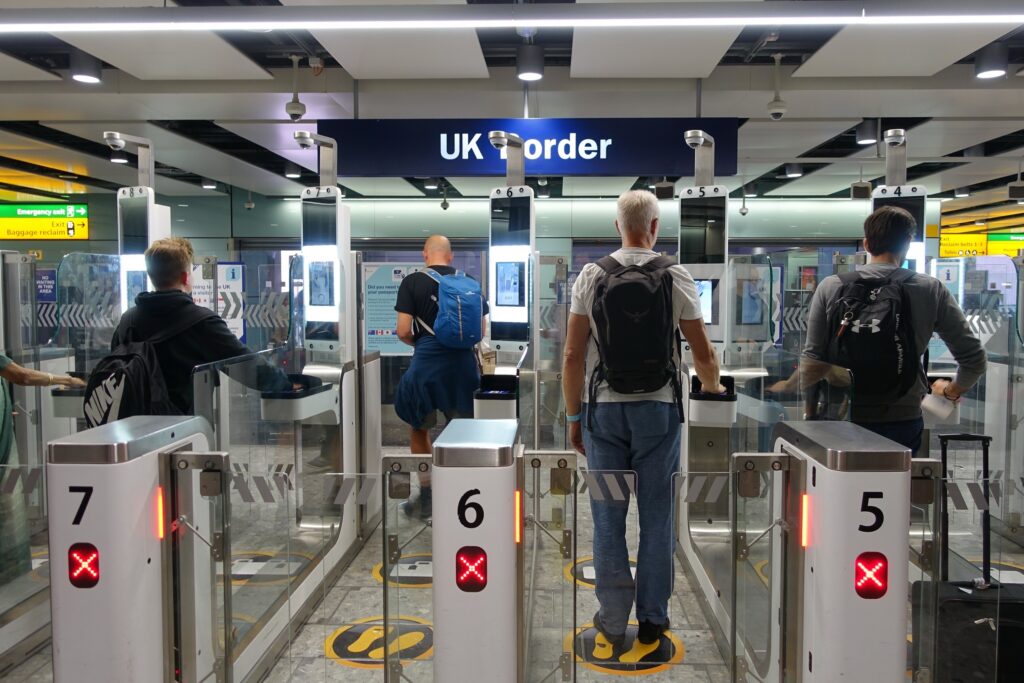
This disparity has led to inconsistent passenger experiences at different entry points. Photo credit: 1000 Words/Shutterstock
The European Union’s new Entry/Exit System (EES) may take up to two years to stabilise after its full rollout, according to a senior EU border official, raising concerns over prolonged disruption for travellers entering the Schengen area, including those heading to Spain during peak holiday seasons. Uku Särekanno, deputy executive director of Frontex, the EU’s border agency, said the system is expected to undergo a lengthy adjustment period as member states adapt to new biometric procedures and operational demands.
Speaking at an event hosted by the UK travel industry association ABTA in London, he said the most challenging aspect of the rollout was the initial enrolment process, where fingerprints and facial images are collected from non-EU travellers. “We expect the situation will stabilise in one or two years because the most challenging part is the first enrolment,” Särekanno said, noting that some countries were still struggling with implementation while others had progressed more smoothly. The comments come after the EES was fully rolled out in April 2026, introducing mandatory biometric registration at external Schengen borders. Since implementation began, multiple travel organisations and airlines have reported long queues and inconsistent procedures at airports, ferry terminals and land crossings across Europe.
Uneven rollout across member states
A key factor behind the projected two-year stabilisation period is the uneven way in which EU member states have introduced the system. According to Frontex, some countries have invested heavily in infrastructure, staffing and digital processing capacity, while others have faced delays due to technical limitations and resource constraints.
This disparity has led to inconsistent passenger experiences at different entry points. In some locations, travellers are processed relatively quickly, while in others, first-time biometric registration has caused significant bottlenecks, particularly during peak travel periods.
Operational challenges at border points
Särekanno acknowledged that harmonising procedures across approximately 1,700 border crossing points remains one of the biggest operational challenges. He also noted that even where systems are functioning well, the initial registration phase will continue to create delays until the majority of frequent travellers have completed their first enrolment.
The scale of implementation means that even small inefficiencies can have a wider impact on passenger flow. Border agencies must manage fluctuating volumes while maintaining consistent identity verification standards across all entry points.
Temporary flexibility measures under pressure
To ease congestion during the early stages of rollout, EU rules have allowed member states to temporarily suspend certain EES procedures during peak times. However, these measures are due to end in September, a deadline that has added further concern within the travel industry.
Industry representatives have warned that without continued flexibility, airports and ports could face recurring disruption during busy travel periods. Airlines and travel associations have urged EU authorities to extend contingency arrangements while technical issues are resolved and border staff gain experience with the new system.
Enforcement outlook after September deadline
Frontex has indicated that no further relaxation of the rules is planned beyond the current temporary provisions, emphasising that the focus is now on improving consistency rather than rolling back requirements.
This position suggests that border points will need to operate the system under full enforcement conditions even if local congestion persists during peak travel periods.
Implications for Spain’s tourism sector
For Spain, one of Europe’s most visited destinations, the implications are significant. The country’s airports and coastal entry points handle large volumes of non-EU travellers, particularly from the United Kingdom, who are among the most affected by the new system.
Tourism operators warn that prolonged delays at entry points could influence travel behaviour, particularly among short-stay visitors and repeat holidaymakers who prioritise convenience. Spain’s peak tourism periods, especially in Malaga, Alicante, the Balearic and Canary Islands, may be most exposed to bottlenecks if processing times remain inconsistent.
Risk to traveller confidence and booking patterns
Industry analysis suggests that even moderate delays at border control can have a wider knock-on effect on passenger confidence, with some travellers choosing alternative destinations if they perceive entry procedures to be unpredictable. While no official EU data confirms long-term behavioural shifts, travel bodies have raised concerns that sustained disruption could affect booking patterns if the system does not settle quickly.
The extent of any impact will depend on how quickly member states can reduce variability in processing times across key entry points.
Wider pressure on European tourism
The warning from Frontex comes amid broader concerns from the global travel industry about the economic impact of prolonged border delays. Aviation and tourism groups have highlighted the risk that persistent queues could reduce Europe’s competitiveness as a destination during key holiday seasons.
At the same time, EU officials have emphasised that the system is designed to modernise border management and improve long-term efficiency once fully embedded. They argue that initial disruption is an expected consequence of introducing large-scale biometric checks across multiple jurisdictions.
Outlook for stabilisation period
However, the acknowledgement that stabilisation could take up to two years has intensified debate over the pace and coordination of implementation. The coming months are expected to be critical in determining whether operational consistency can be achieved before the next peak tourism cycles.
For travellers entering Spain and other Schengen destinations, the short-term outlook remains one of adjustment, as border authorities continue balancing security requirements with the need to maintain efficient passenger flows.
Follow Euro Weekly News on Google News
Get breaking news from Spain, travel updates, and expat stories directly on your Google News feed.
Follow on Google NewsSign up for personalised news
Subscribe to our Euro Weekly News alerts to get the latest stories into your inbox!
By signing up, you will create a Euro Weekly News account if you don't already have one. Review our Privacy Policy for more information about our privacy practices.





Molly Grace
Molly is a British journalist and author who has lived in Spain for over 25 years. With a background in animal welfare, equestrian science, and veterinary nursing, she brings curiosity, humour, and a sharp investigative eye to her work. At Euro Weekly News, Molly explores the intersections of nature, culture, and community - drawing on her deep local knowledge and passion for stories that reflect life in Spain from the ground up.
Comments