Malaga forced to scrap low-emission fines after court ruling
By Adam Woodward • Updated: 11 Jun 2026 • 18:35 • 2 minutes read
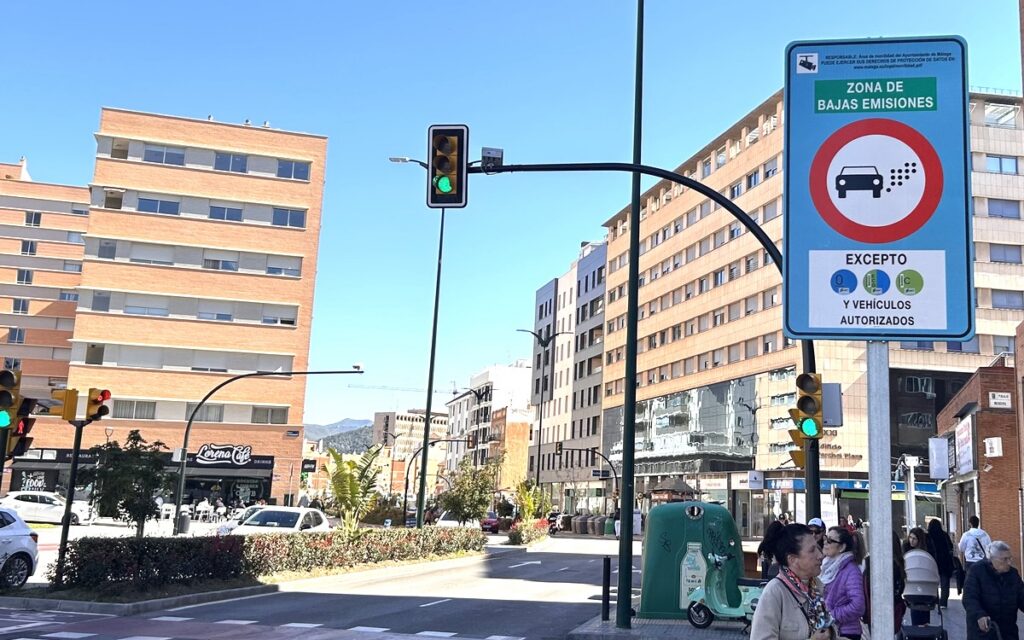
Entering Malaga's low-emissions zone. Credit: EWN
Drivers on the Costa del Sol may soon see a benefit after a landmark court decision struck down key parts of Malaga’s controversial low-emissions zone. The court decision opens doors for potentially greater freedom of movement in city centres and surrounding areas. It may well develop into the end of low-emission zone fines altogether.
Court action targets discriminatory rules
Malaga city introduced its low emissions zone not six months ago, in December 2025, and it has led to a massive backlash from the public.
The council set up cameras and began fining vehicles from outside the city limits that lacked proper environmental labels. More than 14,000 fines reached drivers by April 2026, and each one carried a heavy €200 fine.
Judges at the Tribunal Superior de Justicia de Andalucia ruled that the scheme discriminated against non-residents of the city as it violated principles of free movement of people and goods as well as economic freedom. Local drivers escaped receiving fines, no matter what old smoke-chugging banger they were driving, while those from outside faced sanctions without justification other than they were from outside.
Malaga council now have 30 days to appeal to Spain’s Supreme Court. Many Costa del Sol residents hope this may be the beginning of the end for restrictive zones that penalise visitors and commuters from nearby towns where the cost of living is more reasonable.
Installation costs hit millions
Malaga spent a whopping €4.2 million on the highest-tech cameras, systems and setup for the zone. Part of this came from central government funds tied to other mobility funds exceeding €10 million. Critics say the focus was on enforcement over practical alternatives like improved public transport links, elements that help people rather than punish them.
Similar pressures exist elsewhere in Spain. National law requires zones in cities over 50,000 people to cut pollution. Madrid faced court battles over its own restrictions, with appeals and adjustments following a massive public backlash. Other Andalucian towns are watching developments closely.
Relief for Costa del Sol residents and businesses
People across Marbella, Torremolinos, Mijas and Fuengirola stand to gain the most from this. Marbella installed their systems long ago but have delayed activation. That way, they still qualify for European funds but don’t negatively affect local people and businesses. Torremolinos runs a very small zone that barely affects anyone. Local police in Mijas already manage traffic without full low-emissions rules even though they are paying lip service to the European Commission whose guidelines the government of Pedro Sánchez is following.
Business owners in Malaga centre have reported drops in passing trade from outside visitors. Removing barriers could revitalise footfall in shops, restaurants and services reliant on regional customers. Families will potentially regain easy access for daily needs and family visits without fear of fines.
If the Supreme Court upholds the decision of the Andalucia court, the repercussions could be massive and call into question the legality of low-emissions zones all over Europe.
Follow Euro Weekly News on Google News
Get breaking news from Spain, travel updates, and expat stories directly on your Google News feed.
Follow on Google NewsSign up for personalised news
Subscribe to our Euro Weekly News alerts to get the latest stories into your inbox!
By signing up, you will create a Euro Weekly News account if you don't already have one. Review our Privacy Policy for more information about our privacy practices.





Adam Woodward
Adam is a writer who has lived in Spain for over 25 years. With a background in English teaching and a passion for music, food, and the arts, he brings a rich personal perspective to his work at Euro Weekly News. As a father of three with deep roots in Spanish life, Adam writes engaging stories that explore culture, lifestyle, and the everyday experiences that shape communities across Spain.
Comments