Where in Spain will tourists pay tourist tax in 2026 as holiday hotspots add summer charges
By Molly Grace • Published: 11 Jun 2026 • 19:32 • 3 minutes read
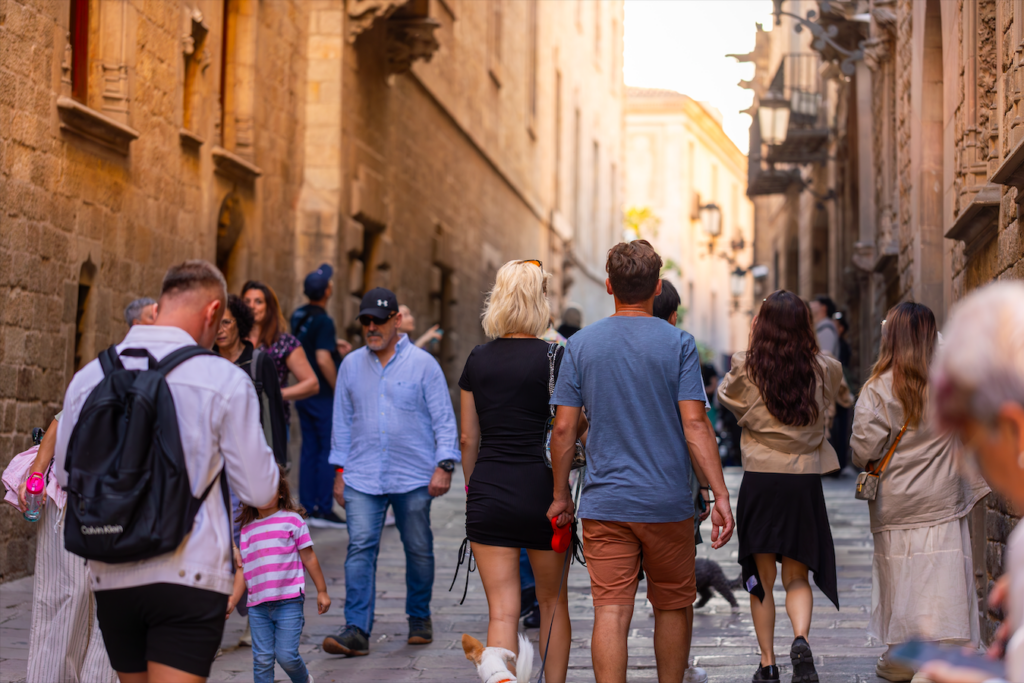
These tourist taxes are not applied nationwide. Photo credit: Carlovis/Shutterstock
Spain remains one of Europe’s most visited holiday destinations, but the final cost of a stay can vary depending not only on accommodation prices, but also on where travellers choose to go. In some parts of the country, an additional nightly charge is added to hotel and tourist accommodation bills, depending on local rules set by regional or municipal authorities. These tourist taxes are not applied nationwide, and they only exist in certain destinations.
However, where they are in place, they can add a noticeable extra cost per person, per night, particularly during the busy summer season when visitor numbers are at their highest. This summer, such charges are in force in a limited number of well-known destinations, including Cataluña, the Balearic Islands and Santiago de Compostela, while other regions have approved systems that are not yet active. As a result, travellers may find that similar accommodation can come with very different total prices depending on location.
Barcelona and Cataluña: The most expensive
Barcelona remains the highest-cost destination in Spain for tourist taxes, with combined regional and municipal charges applied per person and per night in regulated accommodation.
In higher-category hotels, the total charge can reach up to around €12 per night, depending on classification and location.
The tax applies across hotels, hostels, tourist apartments, campsites and other regulated accommodation. Cruise passengers may also be affected depending on whether they stay overnight in the city.
Outside Barcelona, rates vary by municipality and accommodation type and are generally lower.
Balearic Islands: a small amount
The Balearic Islands apply a per-night tourist tax across Mallorca, Menorca, Ibiza and Formentera. The charge varies depending on accommodation category and season, with higher rates applied during peak summer months.
Typical ranges include luxury hotels at up to €6 per night, mid-range hotels and apartments between €2 and €4 per night, and lower-cost accommodation such as campsites at around €1 per night. The tax is charged per person, per night and may be reduced in some cases for longer stays.
Valencia: approved but not in force
The Valencian Community has approved legislation allowing the introduction of a tourist tax, but it is not currently active.
For this summer, no regional overnight charge applies in Valencia. The system remains on standby and could be activated in the future depending on regional government decisions.
Santiago de Compostela: the cheapest
Santiago de Compostela applies a municipal tourist tax on overnight stays in regulated accommodation.
The charge is approximately €1 per person per night and applies mainly to hotels and tourist accommodation within the city limits. The measure is linked to managing visitor levels associated with pilgrimage tourism and short city breaks.
Regions without tourist tax
Most of Spain does not currently apply an overnight tourist tax.
Major destinations without general charges include Madrid, Andalucía, and the Canary Islands. Visitors in these areas only pay standard accommodation costs without additional nightly levies.
Common doubts from travellers
Can the tourist tax change after I’ve booked my holiday?
Yes. Rates are set locally and may be updated, meaning the final amount can differ from what was originally shown at the time of booking.
If I travel around Spain, will I pay the tax in every destination?
Yes. The charge is applied locally, so it is payable separately in each region where a tourist tax is in force.
Does the type of accommodation affect how much I pay?
Yes. Hotels, apartments and other regulated accommodation are subject to different rates depending on local classification rules.
How is the tourist tax usually collected?
It is normally paid directly to the accommodation provider during the stay, either at check-in or check-out.
Key takeaway
Tourist taxes in Spain remain limited to specific destinations rather than being applied nationally. There is no single system in place across the country, and charges only exist in certain regions and cities depending on local decisions.
For travellers, this means the overall cost of a holiday can vary significantly depending on where they stay. Some destinations add nightly fees per person, while others remain entirely tax-free, which can make a noticeable difference when comparing accommodation prices.
Follow Euro Weekly News on Google News
Get breaking news from Spain, travel updates, and expat stories directly on your Google News feed.
Follow on Google NewsSign up for personalised news
Subscribe to our Euro Weekly News alerts to get the latest stories into your inbox!
By signing up, you will create a Euro Weekly News account if you don't already have one. Review our Privacy Policy for more information about our privacy practices.


Molly Grace
Molly is a British journalist and author who has lived in Spain for over 25 years. With a background in animal welfare, equestrian science, and veterinary nursing, she brings curiosity, humour, and a sharp investigative eye to her work. At Euro Weekly News, Molly explores the intersections of nature, culture, and community - drawing on her deep local knowledge and passion for stories that reflect life in Spain from the ground up.
Comments