Renewables expansion in Spain helps keep energy costs stable for households
By Molly Grace • Updated: 12 Mar 2026 • 23:46 • 4 minutes read
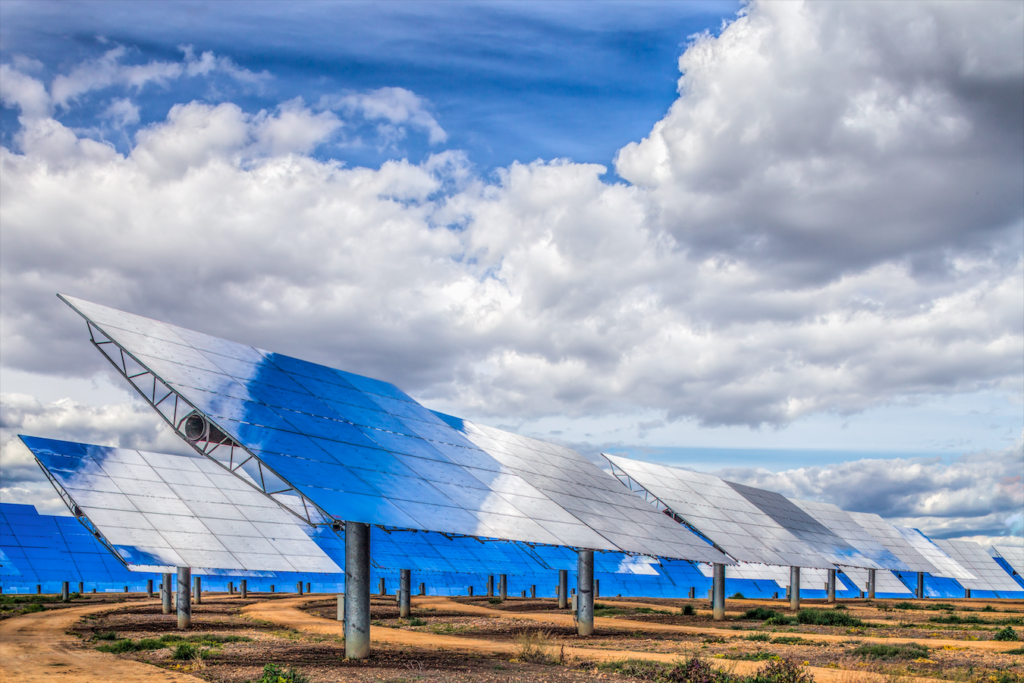
Spain continues to work on balancing energy security with fluctuating demand. Photo credit: Right Perspective Images/Shutterstock
Spain’s rapid expansion of renewable energy capacity is helping to cushion the country’s electricity prices from the effects of volatile global gas markets, industry analysts say, even as gas costs rise in Europe.
The shift towards wind, solar and other clean sources is reshaping how electricity is generated, reducing reliance on fossil‑fuel generation and, in turn, lessening the extent to which gas price volatility feeds through to consumer energy bills. This development affects households, businesses and policymakers as Spain navigates the twin challenges of energy security and affordability.
Renewables now dominate Spain’s electricity mix
Data from Red Eléctrica de España (Spain’s Electrical Network) show that renewable sources, including wind, solar and hydroelectric generation, accounted for 55.5 per cent of Spain’s electricity production in 2025. The share includes a growing contribution from wind and solar installations across the country.
Historically, Spain relied more heavily on gas‑fired and other fossil‑fuel plants, which link electricity prices to international gas markets, but the rising penetration of renewables has altered that dynamic.
According to a report by BBVA Research, higher shares of renewable electricity in the mix are associated with lower wholesale prices because renewable generation tends to come with near‑zero marginal cost once plants are built. Increasing renewable share from around 45 per cent to 60 per cent has been estimated to reduce wholesale electricity prices by around 10 per cent, with further gains possible as renewable share grows.
How renewables help dampen price volatility
Gas‑fired power stations have traditionally set the marginal price for electricity in Spain’s wholesale market, meaning when gas is expensive, electricity prices tend to rise. However, as renewable output grows, there are more hours when electricity is priced based on cheaper wind or solar generation instead of gas.
Energy analysts note that this decoupling, where gas is less frequently the price‑setting source on the grid, reduces the extent to which international gas price swings translate into higher household bills. This structural shift in the electricity mix is one reason Spain’s market has experienced comparatively more stable electricity costs than might otherwise be expected during periods of gas price increases.
Household electricity bills in Spain are expected to fall at some point in 2026 after previous peaks, in part due to cheaper wholesale electricity influenced by strong renewable output, even though other system costs are rising. Official estimates suggest average household bills could fall around 4.7 per cent next year.
What this means for consumers
For individual consumers, the growing weight of renewable electricity contributes to more predictable energy costs, especially compared with markets that remain heavily reliant on fossil fuels.
Areas with high renewable generation, such as Andalucía, Castilla‑La Mancha and Galicia, frequently export surplus wind or solar power to the grid, supporting lower marginal prices during peak production. In big cities like Madrid and Barcelona, and regions popular with expatriates such as Valencia or Alicante, households are indirect beneficiaries of a system that relies less on imported gas.
Lower exposure to gas price spikes can help make household budgeting simpler and protect vulnerable consumers during periods of international energy market stress.
Business and industry implications
For Spanish industry, stable and relatively low electricity prices are a competitive advantage compared with many European peers that remain more exposed to gas price linkages. Sectors such as manufacturing, logistics and services benefit from lower input costs, which can influence investment and expansion decisions.
Large companies in renewable technology and energy services also see Spain’s market as an attractive environment for growth, as the transition away from fossil fuels accelerates.
However, experts caution that renewable growth must be coupled with grid improvements and storage solutions, such as battery systems and demand‑response measures, to ensure reliability and market stability. Without adequate storage, excess wind or solar output during low‑demand periods may not fully translate into price benefits during peak demand unless storage capacity increases.
What critics say
While many analysts see the shift towards renewables as beneficial for price stability, some critics warn that high dependency on intermittent sources could pose challenges without corresponding investments in infrastructure and grid flexibility. During periods when renewable generation drops, such as low wind or reduced solar output, gas and other backup sources may still be needed, potentially increasing price exposure.
Nevertheless, Spain’s overall trajectory remains towards cleaner energy and reduced reliance on imported fossil fuels.
What challenges remain
Despite the progress, Spain continues to work on balancing energy security with fluctuating demand. Electricity price volatility still occurs, especially when renewable output is low or when network constraints prevent transmission of renewable power to demand centres.
Investments in grid enhancements, battery storage and demand management technologies are seen as key to maximising the benefits of the renewables boom.
Policy measures supporting electrification of transport and heating sectors could further help decouple energy consumption from gas use, reinforcing the stabilising effect of renewable generation.
What happens next
Spain’s energy future will be shaped by continued expansion of renewable capacity under its National Integrated Energy and Climate Plan, with targets aiming to increase renewable share further through the remainder of the decade.
As renewable penetration grows, analysts say the link between gas price volatility and electricity bills will weaken further, reducing pressure on consumers and helping Spain manage energy costs more sustainably against a backdrop of global energy market uncertainty.
Follow Euro Weekly News on Google News
Get breaking news from Spain, travel updates, and expat stories directly on your Google News feed.
Follow on Google NewsSign up for personalised news
Subscribe to our Euro Weekly News alerts to get the latest stories into your inbox!
By signing up, you will create a Euro Weekly News account if you don't already have one. Review our Privacy Policy for more information about our privacy practices.





Molly Grace
Molly is a British journalist and author who has lived in Spain for over 25 years. With a background in animal welfare, equestrian science, and veterinary nursing, she brings curiosity, humour, and a sharp investigative eye to her work. At Euro Weekly News, Molly explores the intersections of nature, culture, and community - drawing on her deep local knowledge and passion for stories that reflect life in Spain from the ground up.
Comments