New EU law could provide same rights for hunting dogs as pets in Spain
By Adam Woodward • Published: 13 Mar 2026 • 21:08 • 2 minutes read
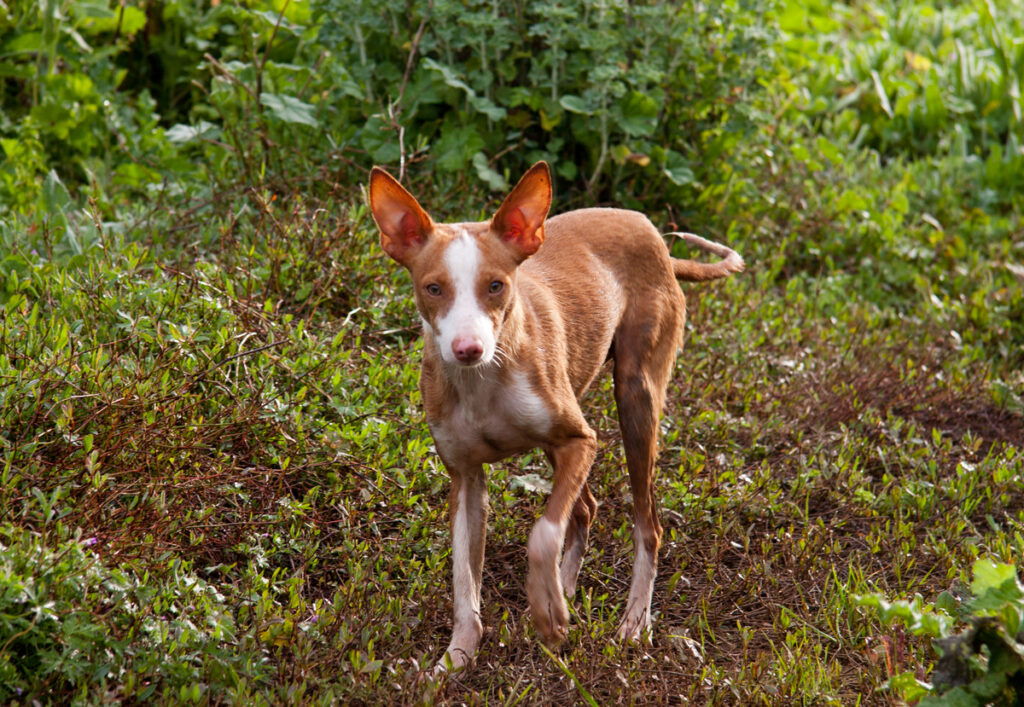
Spanish Podenco, a favourite choice of hunters. Credit: Kristin Pineda
A groundbreaking EU regulation on dog welfare could soon transform the lives of Spain’s hunting dogs, ending years of unequal treatment.
Hunting dogs in Spain face a massive divide in basic rights compared to companion pets. Thousands of Podencos, Greyhounds, and similar breeds in Spain endure minimal oversight in kennels or during hunting seasons according to advocates. Spanish Law 7/2023 excludes hunting dogs from key protections, treating them more like production animals than the sentient beings they are and the treatment received due to established laws. This leaves them without mandatory microchipping, traceable ownership, or systematic checks on living conditions. Abandonment tends to peak at season’s end, with authorities struggling to hold owners accountable due to absent records. It also overwhelms animal shelters which have a no-kill policy for healthy creatures. This is not true for all hunters and their dogs, as many professional hunters treat their dogs with care. However, full oversight in Spain is sadly lacking.
Why are hunting dogs exempt from laws regulating pets’ rights?
Political choices sometimes put rural traditions first as well as the interests of the hunting lobby. In Spain, law 7/2023 deliberately carves out exceptions for hunting breeds, classifying them together with livestock rather than companion animals. In many rural cases, the animals are viewed tools for activities like hare coursing or driven hunts rather than family pets deserving of the same safeguards their pet fellows enjoy. Critics argue this creates a two-tier system. While pampered urban dogs can enjoy legal protections against abuse, hunting dogs often remain invisible to welfare enforcement. Subsequently, many abandoned hunting dogs end up overloading animal rescues.
However, an EU proposal now promises universal traceability through mandatory microchipping and national database registration for all dogs, regardless of purpose. Amendments adopted in June 2025 have reinforced inclusion without exceptions, defining working dogs, including those of hunters, under the same rules, which until now they have not been in Spain.
How the proposed system would work
Interoperable EU databases would link Spain’s fragmented systems, enabling better abuse investigations and curbing any illegal trade. A ban on non-therapeutic mutilations like tail docking would apply more broadly, though exceptions continue today for certain breeds.
Implementation hurdles are the biggest obstacle in Spain, though, despite the regulation’s potential. National proposals to reform laws still exclude hunting dogs from the standards pet animals enjoy, with separate rules possibly offering even laxer oversight.
What can one do to pressure their MEPs?
Campaigners are currently encouraging people to contact their MEPs directly via email, phone, or social media to encourage full transposition of laws without loopholes. Support campaigns from groups like AnimaNaturalis, sign petitions demanding equal protection, and join advocacy efforts highlighting abandonment statistics. Public pressure has proved effective in shaping EU amendments in the past, and citizens can push MEPs to put animal sentience higher on the agenda over hunting exemptions during final adoption stages.
Animal welfare advocates remain hopeful this landmark EU move forces Spain to bridge the gap, granting hunting dogs the recognition they deserve as sentient individuals.
Sign up for personalised news
Subscribe to our Euro Weekly News alerts to get the latest stories into your inbox!
By signing up, you will create a Euro Weekly News account if you don't already have one. Review our Privacy Policy for more information about our privacy practices.





Adam Woodward
Adam is a writer who has lived in Spain for over 25 years. With a background in English teaching and a passion for music, food, and the arts, he brings a rich personal perspective to his work at Euro Weekly News. As a father of three with deep roots in Spanish life, Adam writes engaging stories that explore culture, lifestyle, and the everyday experiences that shape communities across Spain.
Comments