One high-frequency food item climbs over 30 %, hitting Spanish families
By Molly Grace • Published: 13 Mar 2026 • 23:42 • 3 minutes read
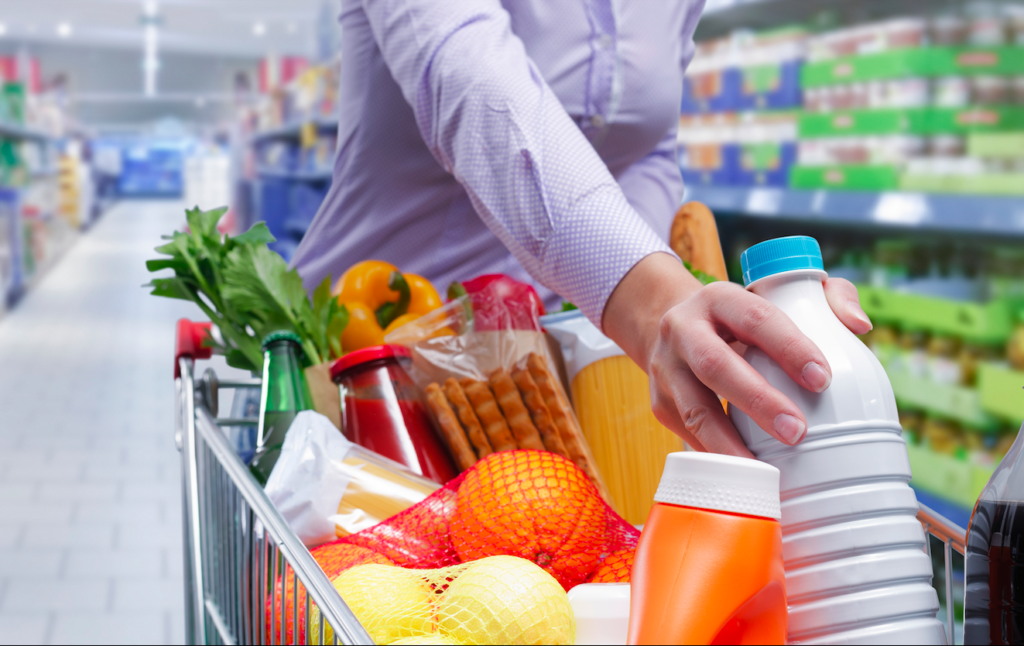
These patterns suggest that household grocery costs may rise faster than headline rates indicate. Photo credit: Stokkete/shutterstock
Spain’s latest inflation figures show that certain essential food items are rising far faster than the headline rate, putting a squeeze on household shopping baskets. While overall inflation remained relatively modest in February 2026, some everyday staples have experienced dramatic year-on-year price increases, highlighting the uneven nature of rising costs in essential goods.
The Consumer Price Index (IPC), the standard measure of inflation in Spain, indicates that while most products have seen moderate growth or even declines, one essential grocery item has surged ahead of the rest, drawing the attention of both economists and consumers. Rising prices in specific high-rotation staples can shape perceptions of the cost of living even when broader economic indicators suggest stability.
The standout product:
The item experiencing the steepest price increase is eggs, which have risen by approximately 30 per cent year-on-year, making them the fastest-rising product in the shopping basket. Their essential role in daily meals and baking has made this rise particularly noticeable, contributing directly to higher weekly grocery bills.
Even as the overall inflation rate remained at 2.3 per cent in February, the steep increase in egg prices demonstrates how selective rises in essential goods can disproportionately affect household expenses. Eggs have therefore become a visible marker of inflation for consumers, far exceeding the general price growth seen in most other categories.
Factors driving egg price increases
Several factors explain why egg prices have climbed so sharply. Analysts point to higher production costs, including feed, energy, and transportation. Seasonal fluctuations and supply chain bottlenecks have also played a role. Additionally, global commodity prices and agricultural market trends can influence retail pricing for staples like eggs.
By contrast, some other staples have seen their prices fall, including olive oil, which dropped nearly 17 per cent over the same period. These divergent trends underline the uneven nature of inflation in the food sector and demonstrate that headline figures can conceal sharp variations within individual categories.
The consumer perspective
For households, the rise in egg prices has tangible consequences. Eggs are a high-rotation item, meaning they are purchased frequently, so even moderate price increases quickly add to monthly grocery costs. Many shoppers have reported that weekly bills feel noticeably heavier, despite broader inflation appearing manageable.
Some consumers are responding by purchasing larger packs to reduce the cost per unit or substituting other protein sources. Economic commentators note that these targeted increases in essential food items can create a sense of economic strain, even when general inflation is low. Households are adjusting their shopping habits to cope, highlighting the real-world impact of selective price rises.
Food inflation remains volatile
Food prices are generally more volatile than overall inflation, with certain products subject to larger fluctuations due to production conditions, seasonal effects, or market disruptions. While general inflation measures provide a headline figure, they can mask substantial variation in specific items within the shopping basket. Staples such as eggs illustrate this phenomenon, showing that even in periods of low headline inflation, selective items can impose significant cost-of-living pressures.
Across Europe, similar patterns have been observed, with eggs and other high-frequency food staples outpacing general inflation in several countries. These patterns suggest that household grocery costs may rise faster than headline rates indicate, particularly when sector-specific pressures affect essential items.
Outlook
Looking ahead, economists will monitor how seasonal changes, global commodity markets, and domestic production costs influence prices for eggs and other staples. While headline inflation remains moderate, selective price increases like these demonstrate that everyday household expenses may still be rising faster than the broader economic indicators suggest.
For shoppers, the lesson is clear: even small, high-frequency items like eggs can have a disproportionate effect on household budgets. The 30 per cent rise over the past year highlights the continuing importance of monitoring specific staple goods within the shopping basket to understand the real cost of living.
Sign up for personalised news
Subscribe to our Euro Weekly News alerts to get the latest stories into your inbox!
By signing up, you will create a Euro Weekly News account if you don't already have one. Review our Privacy Policy for more information about our privacy practices.





Molly Grace
Molly is a British journalist and author who has lived in Spain for over 25 years. With a background in animal welfare, equestrian science, and veterinary nursing, she brings curiosity, humour, and a sharp investigative eye to her work. At Euro Weekly News, Molly explores the intersections of nature, culture, and community - drawing on her deep local knowledge and passion for stories that reflect life in Spain from the ground up.
Comments