Spain travel warning for Britons. Check your passport now or risk being refused entry
By Farah Mokrani • Published: 13 Mar 2026 • 12:15 • 4 minutes read
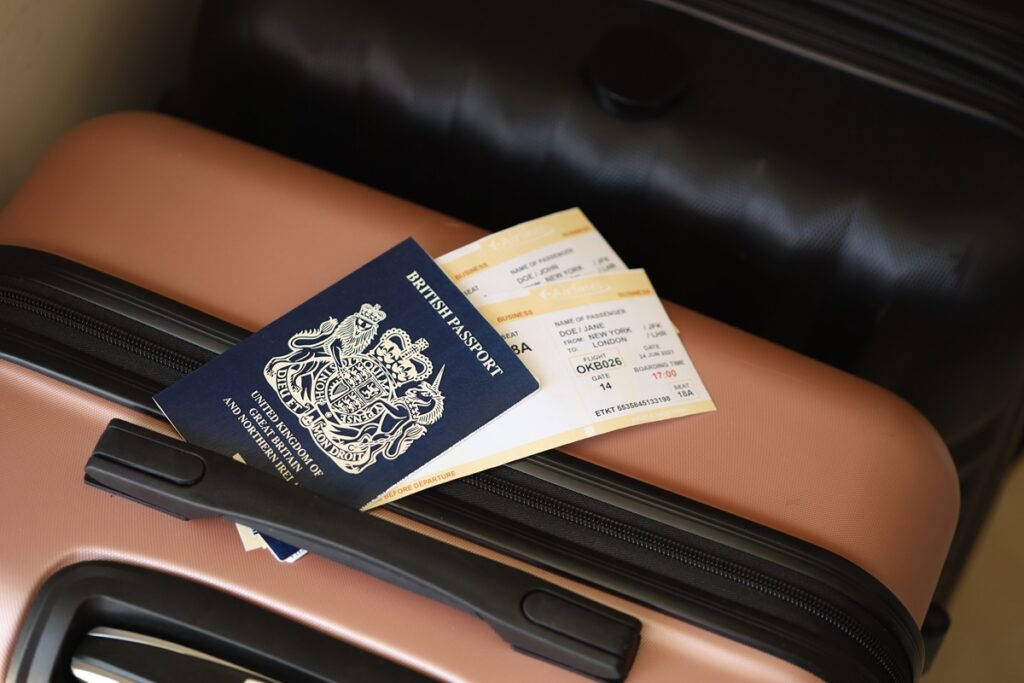
Britons travelling to Spain are urged to check passport rules before flying. Credit : Mehaniq, Shutterstock
Thousands of Britons travelling to Spain this year could face an unpleasant surprise at the airport if they haven’t checked their passport carefully. The UK Foreign Office has issued a fresh warning reminding travellers that some British passports are no longer valid for entry into Spain and other Schengen countries, even if the expiry date appears to be in the future.
The problem mainly affects people using older burgundy British passports issued before September 2018, many of which were technically valid for more than ten years under previous UK renewal rules. Since Brexit, however, EU border authorities follow strict Schengen regulations – and travellers who do not meet them can be refused entry at the border.
For the millions of Britons who visit Spain every year – including holidaymakers, second-home owners and expats travelling back and forth – the message from the UK government is simple: check your passport before you travel, not at the airport.
Post-Brexit passport rules explained for Spain and the Schengen area
The confusion comes from a change in passport rules that many travellers still don’t fully understand.
Before 2018, when renewing a British passport early, the UK Passport Office allowed travellers to carry over up to nine months from their previous passport. As a result, some passports ended up with validity periods longer than ten years.
However, under Schengen entry rules, which Spain follows, passports must meet two specific conditions.
Your passport must:
- Have been issued less than 10 years before the date you enter Spain or another Schengen country
- Remain valid for at least three months after the day you plan to leave the Schengen area
This means that a passport could still show months of validity left but still be rejected at the border if the issue date is more than ten years old.
The rule applies across the entire Schengen zone, which includes Spain, France, Italy, Germany and most EU countries.
The Foreign Office says travellers should always check both the issue date and expiry date before travelling and renew the passport if necessary.
Why this matters for Britons living in Spain
For British residents in Spain – particularly those living along the Costa del Sol, Costa Blanca or Costa Cálida – the issue often arises when family members visit from the UK.
In areas such as Marbella, Fuengirola, Alicante and Torrevieja, where large British communities live, many residents regularly host friends and relatives who fly over for holidays.
Travel agents in these areas say the passport rule has already caused last-minute travel problems for some visitors, especially those using older passports they assumed were still valid.
The situation can also affect British expats themselves when travelling back to the UK and returning to Spain, particularly if they rely on a passport that technically exceeds the ten-year issue limit.
Airlines can refuse boarding if documents do not meet entry requirements, which means travellers may not even reach the Spanish border if their passport is invalid under Schengen rules.
What Britons travelling to Spain should do now
If you are planning a trip to Spain this year, the UK government recommends checking several things before booking your travel.
First, look at the issue date on your passport. If it was issued more than ten years ago, it may not be accepted for entry into Spain.
Second, make sure the passport remains valid for at least three months after your return date from the Schengen area.
If there is any doubt, the safest option is to renew the passport before travelling.
Travellers should also confirm document requirements with airlines or travel providers, as many carriers will check passport validity before allowing passengers to board.
Old passport rules vs current Schengen rules
| Passport rule | Before Brexit | Current rule for Spain |
| Maximum validity | Up to 10 years + 9 months possible | Must be issued less than 10 years ago |
| Minimum validity on return | Not strictly enforced | Must have 3 months validity after leaving Schengen |
| Visa requirements | Free movement in EU | Visa-free for 90 days in 180 days |
Since Brexit, British travellers are now treated as “third-country nationals” by EU border authorities.
That means entry rules are stricter than they were before 2020.
Common questions Britons ask about the passport rules
Does this affect British residents in Spain?
Residents with valid residency documents such as a TIE card can live in Spain normally. However, they must still travel with a valid passport that meets Schengen rules.
Do I need a visa to visit Spain?
No visa is required for short stays of up to 90 days within a 180-day period if you are travelling for tourism, family visits, business meetings or short courses.
What happens if my passport doesn’t meet the rules?
You may be refused boarding by the airline or denied entry at the border.
Another travel change is coming later in 2026
Passport rules are not the only thing changing for British travellers heading to Spain.
Later this year the European Union plans to introduce ETIAS, the European Travel Information and Authorisation System.
The system will require visa-exempt travellers, including Britons, to apply online for travel authorisation before entering the Schengen area.
ETIAS is expected to launch in the final quarter of 2026, several months after the EU’s new Entry/Exit System (EES) becomes operational.
The EES system will digitally record when travellers enter and leave Schengen countries.
What travellers should expect next
For now, the key requirement remains simple: make sure your passport meets Schengen rules before travelling to Spain.
Authorities expect travel rules between the UK and EU to continue evolving as new digital border systems are introduced.
For the millions of Britons who visit Spain every year – or who live here part of the year – keeping up with those changes will be essential to avoid unexpected problems at the airport.
Sign up for personalised news
Subscribe to our Euro Weekly News alerts to get the latest stories into your inbox!
By signing up, you will create a Euro Weekly News account if you don't already have one. Review our Privacy Policy for more information about our privacy practices.





Farah Mokrani
Farah is a journalist and content writer with over a decade of experience in both digital and print media. Originally from Tunisia and now based in Spain, she has covered current affairs, investigative reports, and long-form features for a range of international publications. At Euro Weekly News, Farah brings a global perspective to her reporting, contributing news and analysis informed by her editorial background and passion for clear, accurate storytelling.
Comments