The ‘level 3’ death trap: Why Europe is rushing to rewrite its avalanche warnings mid-ski season
By Dora Urbancsek • Published: 13 Mar 2026 • 17:37 • 2 minutes read
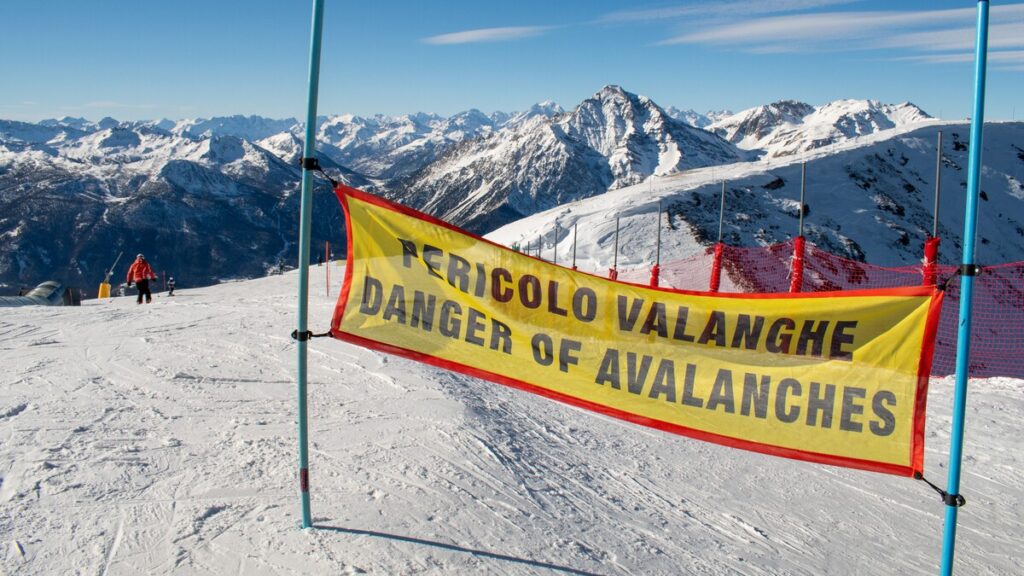
Europe’s five-level avalanche danger scale used across the Alps may see clearer wording as experts review how warnings are communicated to skiers and mountain visitors. Credit: Shutterstock/Elenitsa
As millions of skiers head to the Alps for the peak March sun, a chilling reality is emerging: the continent’s 30-year-old avalanche warning system may no longer be fit for purpose. Following a spike in fatalities this winter, experts are overhauling the “deceptively calm” language used to describe mountain risks. With the dreaded “Level 3” (Considerable) now being dubbed a “silent killer” by rescuers, a major new initiative is underway to ensure tourists don’t mistake life-threatening danger for a moderate day on the slopes.
How Europe’s avalanche warning system works
The European Avalanche Danger Scale currently uses five danger levels, ranging from low risk to very high risk.
The levels are:
1 – Low
2 – Moderate
3 – Considerable
4 – High
5 – Very high
These warnings are issued daily by avalanche services across Europe and help mountain rescue teams, ski resorts and visitors assess conditions in snowy terrain. The system has been widely used since the 1990s and allows different countries to communicate avalanche risks using the same standard.
Why experts want to update the wording
Forecasters say the main goal is not to change the scale itself, but to improve how the information is communicated. Some avalanche professionals believe certain terms may be misunderstood by visitors who are unfamiliar with mountain safety systems.
For example, the level “considerable” (Level 3) is often the most dangerous for recreational skiers because avalanches can be triggered easily in many areas, yet some people interpret the word as meaning only moderate risk. Clarifying these descriptions could help reduce accidents and improve how warnings are understood by the public.
Why avalanche safety remains a major issue in Europe
Avalanches remain one of the biggest winter dangers in Europe’s mountain regions. Every winter dozens of people are killed in avalanches across the Alps, particularly among off-piste skiers and mountaineers. Heavy snowfall and changing weather conditions can quickly destabilise the snowpack, creating conditions where avalanches are triggered naturally or by people travelling on steep slopes. For this reason, avalanche forecasts are closely monitored by ski resorts, mountain guides and rescue services.
Common questions skiers ask about avalanche warnings
What avalanche level is considered dangerous?
Levels 3, 4 and 5 represent serious avalanche danger, with Level 3 often associated with many accidents involving skiers.
Are ski resorts safe during avalanche warnings?
Most marked ski runs are protected and monitored, but off-piste terrain can remain dangerous even when resorts are open.
Where is the avalanche scale used?
The system is used across much of Europe, including the Alps, the Pyrenees and parts of Scandinavia.
What will change exactly?
Experts say the five-level avalanche scale itself is likely to remain unchanged, but the language used in avalanche bulletins may be revised in the future to make warnings clearer for the public. Any changes would be coordinated across European avalanche forecasting services to ensure the system remains consistent across countries.
Sign up for personalised news
Subscribe to our Euro Weekly News alerts to get the latest stories into your inbox!
By signing up, you will create a Euro Weekly News account if you don't already have one. Review our Privacy Policy for more information about our privacy practices.



Dora Urbancsek
Dora Urbancsek is an SEO writer with over eight years of experience producing high-quality, search-optimised journalism and digital content. Based in Spain for more than five years, she covers a wide range of topics concerning Spain and Europe, including current affairs, community stories, culture, and lifestyle. Dora is known for accurate, well-researched reporting that keeps readers informed and engaged.
Comments