Madrid cracks down on invasive species: thousands relocated
By Tara Russell • Published: 17 Mar 2026 • 16:13 • 1 minute read
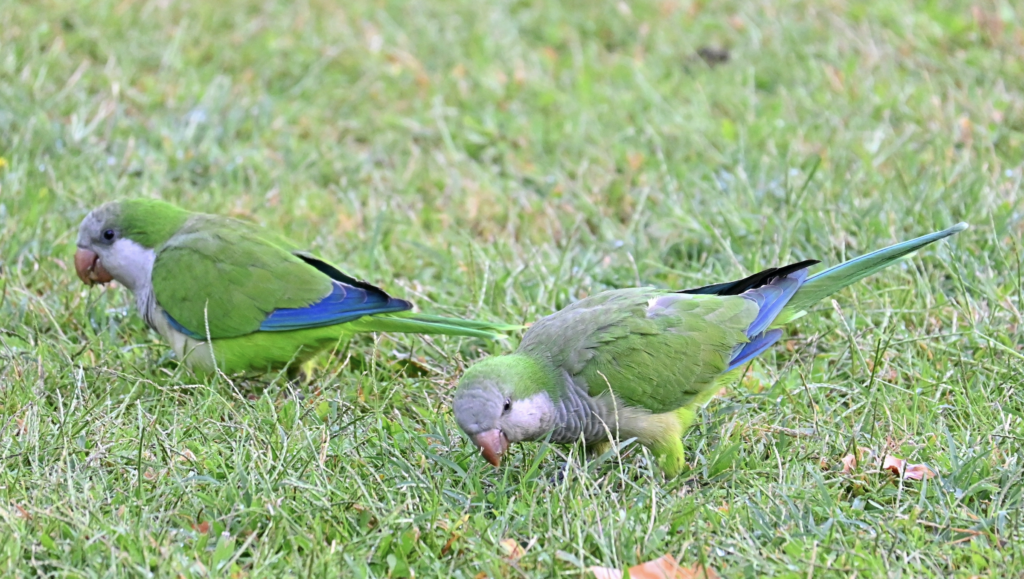
Argentine parrots are invasive in Spain. Credit: GenadiyGM / Shutterstock
In 2025, the Comunidad de Madrid removed over 4,000 invasive exotic animals from natural areas across the region. The effort aimed to protect native wildlife, prevent disruption to habitats, and limit both economic and health impacts linked to the uncontrolled spread of non-native species.
Coordinated efforts to control wildlife
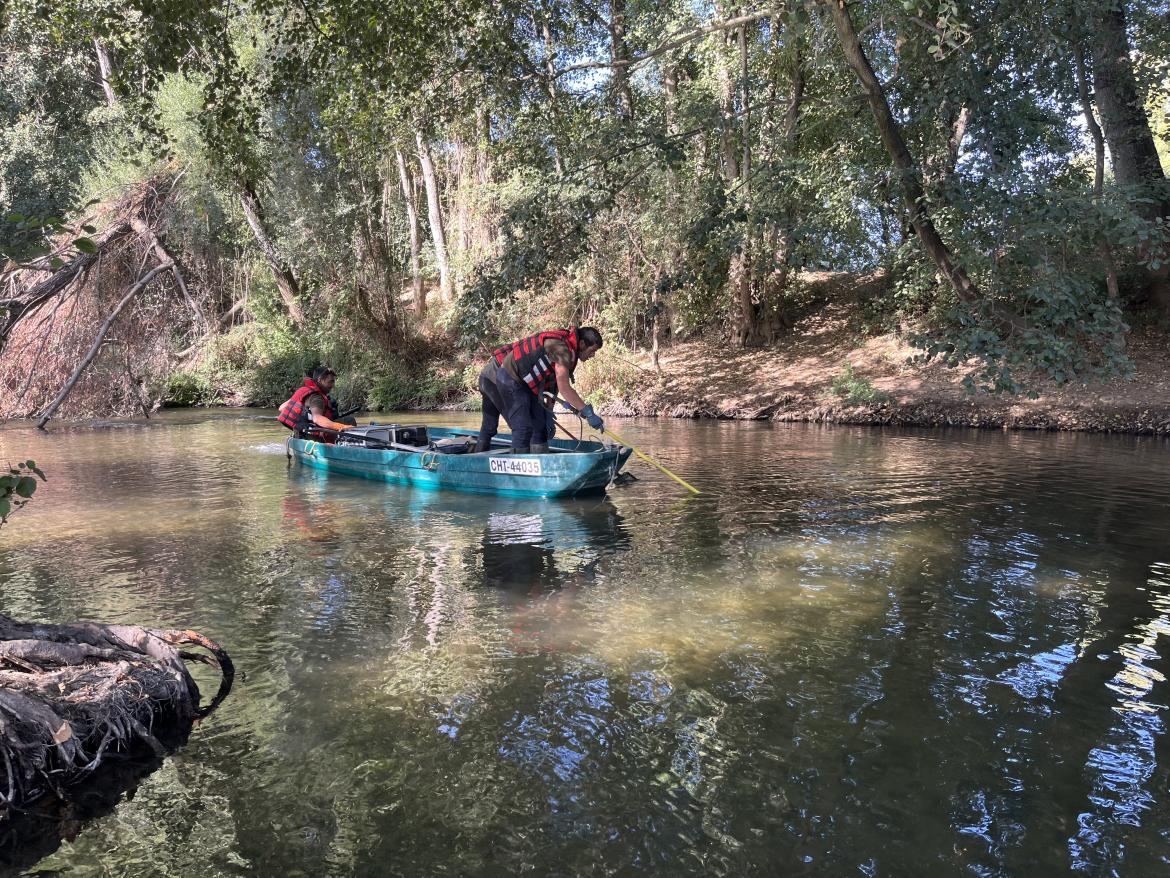
The operations were carried out by the Patrulla Fauna alongside environmental technicians. Their work focused on animals whose growing presence in natural environments reflected irresponsible ownership or deliberate release. Once captured, these species were transported to the Centro de Recuperación de Animales Silvestres Félix Rodríguez de la Fuente (CRAS) in Tres Cantos, where veterinary teams provide treatment and ongoing monitoring.
Species removed from the wild
Among the most numerous species removed were:
- Parva – 1,773
- Bleak – 1,208
- Sunfish – 418
- Carp – 105
Terrestrial species included:
- Florida turtles – 253
- Argentine parrots – 118
- Iberian turtles – 83
- Raccoons – 84
- Nile geese – 61
- Red-bellied turtles – 41
- American minks – 6
- Vietnamese pigs – 6
- Three-crested Chinese turtles – 15
Additional animals removed included striped-neck turtles, hieroglyphic turtles, corn snakes, Chinese crabs, royal pythons, and pygmy hedgehogs, many of which were likely pets which had been abandoned or released intentionally.
Risks to local ecosystems
Authorities warn that invasive species compete directly with native animals for food and living space, which can unbalance entire ecosystems. Many of the extracted animals adapt quickly, making early intervention critical. The regional government stresses that releasing exotic wildlife into natural areas is illegal and can lead to fines. Residents are encouraged to report sightings to help maintain control and protect native species.
Ongoing protection measures
This large-scale removal highlights the Comunidad de Madrid’s commitment to protecting local ecosystems and ensuring the stability of natural habitats. Continued monitoring, careful management, and public cooperation are essential to prevent further ecological disruption and safeguard the region’s wildlife.
Sign up for personalised news
Subscribe to our Euro Weekly News alerts to get the latest stories into your inbox!
By signing up, you will create a Euro Weekly News account if you don't already have one. Review our Privacy Policy for more information about our privacy practices.




Tara Russell
Tara is a writer and editorial team member at Euro Weekly News, specialising in news reporting and feature writing. Born and raised in Spain, she holds a B.A. in Applied Languages and Translation Studies. With a strong background in linguistics, communication, and cross-cultural storytelling, Tara previously worked as a language teacher before transitioning to journalism and media.
Comments