Spain’s housing shortage deepens as electricity grid limits new construction in 31 provinces.
By Molly Grace • Updated: 17 Mar 2026 • 10:26 • 4 minutes read
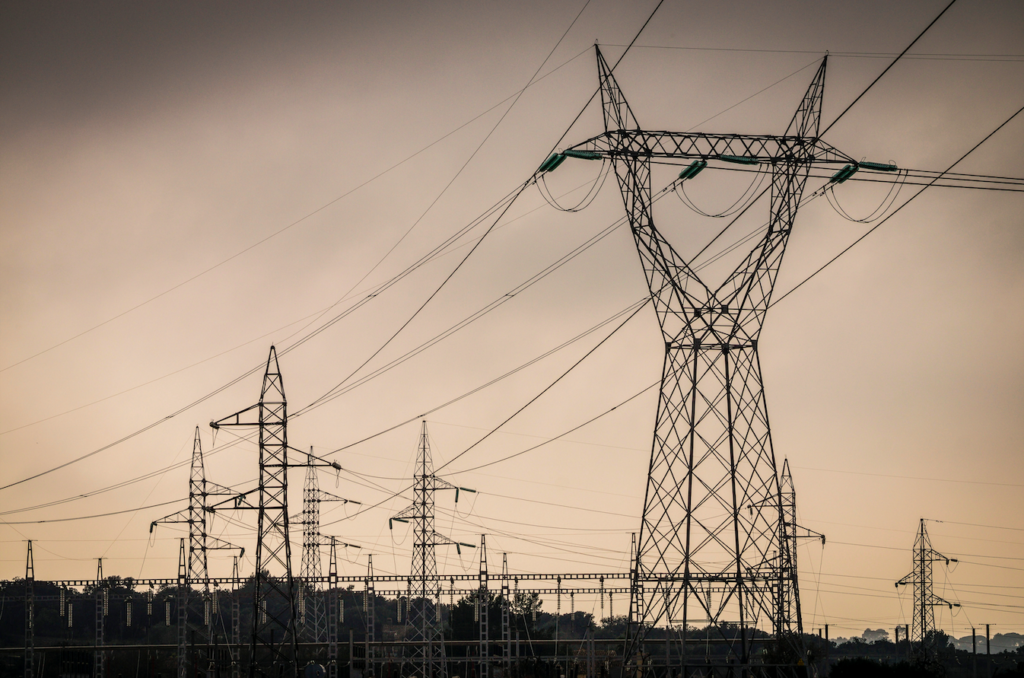
Even if planning permission has already been granted the project cannot be completed until electricity connections are secured. Photo credit: tolobalaguer.com/Shutterstock
Spain’s housing shortage is facing an additional challenge as limited electricity grid capacity begins to restrict new residential construction in several parts of the country.
An analysis by BBVA Research indicates that electricity infrastructure constraints are affecting housing development in 31 Spanish provinces, including key urban areas such as Madrid and Valencia.
Developers must secure access to the electricity network before new homes can be completed and delivered to buyers. In locations where the grid has reached its capacity limits, those connections are becoming harder to obtain, meaning some housing projects cannot move forward as planned.
With demand for housing already high in many cities, the lack of electricity capacity is emerging as another factor limiting the number of homes entering the market. Spain has experienced growing concern about housing availability in recent years, particularly in large metropolitan areas where property prices and rents have increased significantly.
Limited electricity connections slow down housing projects
In Spain, residential developments cannot be occupied unless they are connected to the electricity network. If substations and local distribution systems are operating close to their technical limits, network operators may be unable to approve additional connections.
According to the BBVA Research study, around 62 per cent of Spanish provinces lack sufficient electricity network capacity to support the level of housing construction required to meet demand.
This means that some housing projects must wait until additional infrastructure becomes available before they can proceed. Electricity networks rely on substations and distribution systems to supply power to buildings. When these systems reach capacity, developers may face delays while waiting for upgrades or expansions to the network.
In practical terms, this can affect different stages of construction. Even if planning permission has already been granted and building work has started, the project cannot be completed or delivered to buyers until electricity connections are secured.
As a result, electricity infrastructure has become an increasingly important consideration for developers planning new housing projects.
Cities and regions where development pressure is strongest
The infrastructure constraints are particularly significant in areas where housing demand is already strong.
Cities such as Madrid and Valencia have experienced sustained population growth and increasing demand for residential property. In these locations, delays to new housing developments can have a noticeable effect on supply.
The analysis suggests the problem extends beyond major urban centres, affecting dozens of provinces where electricity infrastructure has limited spare capacity. This means the challenge is not confined to one region but is part of a broader infrastructure issue affecting housing development in multiple parts of Spain.
In some areas, developers may need to coordinate closely with electricity network operators before starting projects to ensure that sufficient capacity will be available when construction is completed.
Local planning authorities also play a role in coordinating development with infrastructure expansion to avoid situations where new housing cannot be connected to essential services.
What this could mean for people looking to buy homes
For residents and property buyers, electricity network constraints may influence how quickly new homes become available.
If developers cannot obtain grid connections, projects may take longer to complete, reducing the number of properties entering the housing market in the short term. In areas where housing demand already exceeds supply, delays to new construction could contribute to continued pressure on availability.
People considering purchasing homes in new developments may therefore encounter longer construction timelines if electricity connections are not immediately available. Buyers interested in off-plan properties may also need to pay closer attention to infrastructure planning and the expected completion dates provided by developers.
Why electricity infrastructure is under increasing pressure
The constraints affecting electricity networks are linked to several broader changes in Spain’s economy and energy system.
In recent years, the country has seen rapid growth in renewable energy installations such as solar and wind projects, which require access to grid connections. At the same time, population growth in large cities has increased demand for new housing and supporting infrastructure.
When multiple sectors require access to the same electricity network, competition for available capacity can increase. If substations and transmission systems reach their limits, new projects cannot be connected until the infrastructure is expanded. Electricity networks must operate within strict technical limits to ensure reliability and safety. For this reason, operators cannot approve new connections if doing so would exceed the capacity of local infrastructure.
This creates bottlenecks in areas where demand for electricity connections grows faster than the network can be expanded.
Questions many residents are asking
Does the problem affect existing homes?
No. The issue mainly affects new developments that require electricity connections before homes can be delivered to buyers or occupied.
Why can’t developers simply connect buildings to the grid?
Electricity systems must operate within technical capacity limits. If a local network is already operating near those limits, operators may not approve additional connections until upgrades are completed.
Is the issue limited to certain parts of Spain?
The BBVA Research analysis indicates that 31 provinces are affected, although the impact varies depending on local infrastructure and housing demand.
Infrastructure investment likely to shape future development
Addressing electricity network capacity will require investment in new substations, upgraded distribution networks and expanded transmission infrastructure.
Such projects typically require planning approvals, engineering work and construction, meaning improvements to grid capacity may take time to implement. As Spain continues to experience demand for both housing and electricity, coordination between developers, electricity network operators and local authorities will be essential.
Ensuring that infrastructure can support new residential developments may therefore become an increasingly important part of the country’s strategy to address its housing supply challenges.
Follow Euro Weekly News on Google News
Get breaking news from Spain, travel updates, and expat stories directly on your Google News feed.
Follow on Google NewsSign up for personalised news
Subscribe to our Euro Weekly News alerts to get the latest stories into your inbox!
By signing up, you will create a Euro Weekly News account if you don't already have one. Review our Privacy Policy for more information about our privacy practices.





Molly Grace
Molly is a British journalist and author who has lived in Spain for over 25 years. With a background in animal welfare, equestrian science, and veterinary nursing, she brings curiosity, humour, and a sharp investigative eye to her work. At Euro Weekly News, Molly explores the intersections of nature, culture, and community - drawing on her deep local knowledge and passion for stories that reflect life in Spain from the ground up.
Comments
Brian
18 March 2026 • 14:17We don’t have mains electricity round where we live in Mallorca, solar panels and a back-up generator are quite adequate!
naimah
18 March 2026 • 15:03well if they didnt keep on with this sustainable energy BS we wouldnt have this problem. people throughout Spain whining about not enough housing but we cant build more housing because they won´t use traditional fuel sources. Fecking ridiculous
Mark
19 March 2026 • 08:5731 provinces. Is it too much to ask “which provinces? They should do the dame with water supplies.
Rodrigues
19 March 2026 • 10:50Well this is no surprise to any intelligent person. With all the Net Zero nonsense and utter madness thinking the sun and wind power will save our country we now discover we don´t have enough electricity. You could not make this up. The sooner the Net Zero nonsense is stopped and we get back to providing the power we urgently need from the gas and coal and oil the better off we will all be. Only Europe is on the Net Zero nonsense. While our industries die and unemployment rise China and India are booming. Utter madness.
Comments are closed.