Quake rattles southern coast of Spain – Residents awakened with a jolt
By Adam Woodward • Published: 18 Mar 2026 • 11:12 • 2 minutes read
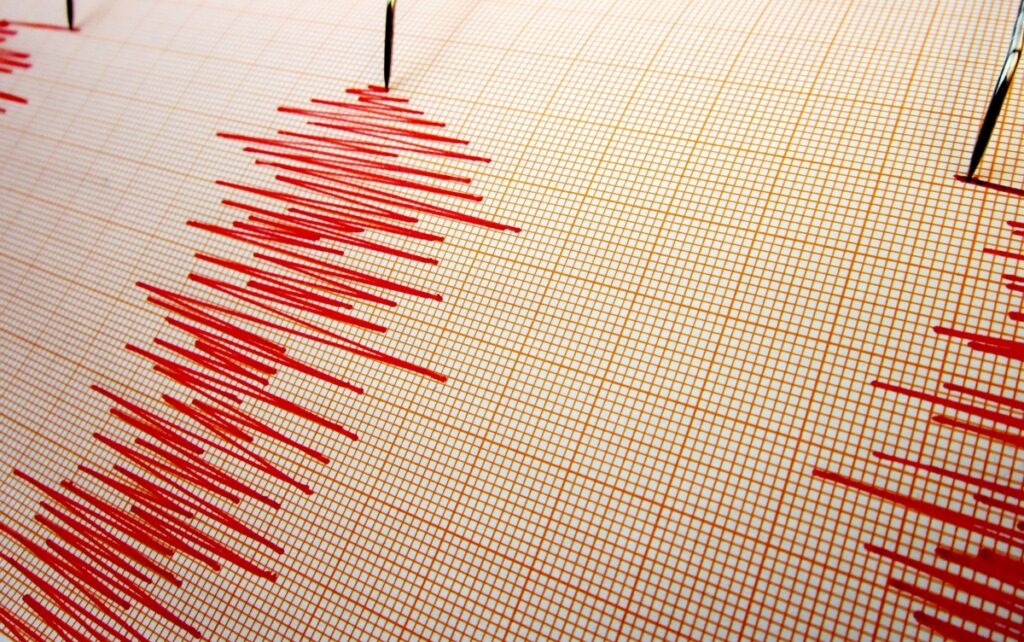
Seismograph picks up the ground shaking. Credit: menur - Shutterstock
A magnitude 4.4 earthquake struck the western Alboran Sea off the coast of Malaga in the early hours of Wednesday, March 18, at approximately 12.24am.
According to the Spanish National Geographic Institute (IGN), the epicentre was located in the western part of the coast, with a focal depth of around 76 to 87 km. This profound depth explains why the shaking was felt over a wide area despite the moderate magnitude.
Quake felt throughout Andalucia
The tremor was perceptible across much of Andalucia, including provinces like Malaga (with higher intensities in coastal areas such as Torremolinos, Mijas, and Ojen, reaching III–IV on the European Macroseismic Scale), Cadiz, Huelva, Cordoba, and even parts of Granada (e.g., Motril). Reports also came from farther afield, including Ceuta and Ciudad Real (with noticeable shaking in places like Puertollano). Some international monitors (e.g., VolcanoDiscovery) listed it as magnitude 4.5 with a similar location ~73 km east of Ceuta, but Spanish official sources and media consistently agree on 4.4.
Emergency services (112 Andalucia) received over 30 calls from worried residents during the night, many describing sensations like rattling furniture, shifting beds, or sudden awakenings. Social media quickly buzzed with personal accounts of the midnight disturbance.
Importantly, no structural damage, injuries, or casualties have been reported. Authorities and experts attribute this to the quake‘s depth, which reduced potential for severe surface impacts while allowing broader felt reports.
This event fits into the region’s ongoing seismic activity. The Alboran Sea area is tectonically active due to the convergence of the African and Eurasian plates, and southern Spain experiences frequent moderate quakes. It follows smaller tremors in late February near places like Cañete la Real and Benalmadena.
Safety reminders from Andalusian emergency coordinators and experts remain key:
- Secure heavy furniture and objects to walls to prevent falling during shaking.
- Prepare an emergency kit (water, non-perishable food, flashlight, radio, first-aid supplies).
- If indoors during a quake: Drop, cover, and hold on under sturdy furniture or against an interior wall.
- If outdoors: Move to an open area away from buildings, trees, or power lines.
- If driving: Pull over safely and stop until shaking stops.
- Residents in seismic-prone areas like Andalucia are encouraged to review preparedness guidelines from official sources like the IGN or Civil Protection.
This was a notable but non-destructive reminder of the region’s geological setting—no tsunami risk or further major aftershocks have been indicated so far.
Sign up for personalised news
Subscribe to our Euro Weekly News alerts to get the latest stories into your inbox!
By signing up, you will create a Euro Weekly News account if you don't already have one. Review our Privacy Policy for more information about our privacy practices.




Adam Woodward
Adam is a writer who has lived in Spain for over 25 years. With a background in English teaching and a passion for music, food, and the arts, he brings a rich personal perspective to his work at Euro Weekly News. As a father of three with deep roots in Spanish life, Adam writes engaging stories that explore culture, lifestyle, and the everyday experiences that shape communities across Spain.
Comments