Thanks to record 85% fossil-free electricity households in Spain avoid EU energy shock
By Dora Urbancsek • Updated: 19 Mar 2026 • 11:55 • 2 minutes read
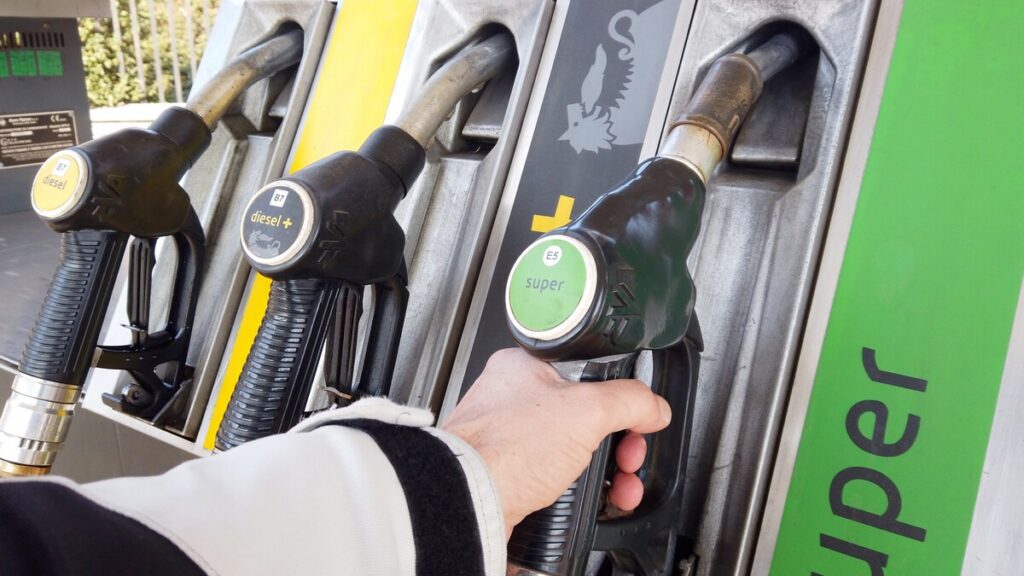
Fuel prices in Spain may rise as global oil markets react to tensions affecting supply routes Credit: Shutterstock/DELBO ANDREA
On Wednesday, March 18, 2026, the Spanish government officially ordered the release of 11.5 million barrels of oil from its strategic reserves to stop the Iran-Israel conflict from doubling your fuel and energy costs. While the average price of diesel has already hit €1.79 per litre in Spain, a 27% jump this month, this emergency release is designed to prevent the €2-per-litre spikes currently seen in Germany and France. Thanks to a “renewable shield” where gas only sets electricity prices for 15% of the day, your household utility bills are expected to remain the most stable in the EU.
For residents and expats, the immediate consequence is that while petrol remains expensive, the risk of a “1970s-style” energy collapse has been significantly lowered by this record-breaking release of national reserves.
Why energy prices are rising across Europe but not as fast in Spain
The current crisis has put pressure on global energy markets, particularly through the Strait of Hormuz, a key shipping route for oil and gas. As prices rise internationally, the effects are being felt unevenly across Europe.
Countries that rely heavily on gas are seeing the fastest increases in electricity costs. In contrast, Spain and Portugal have so far avoided the sharp spikes seen elsewhere, with more stable pricing trends in recent weeks. This difference is now becoming noticeable in everyday expenses, from transport to household bills.
Why Spain is more protected from price shocks
Spain’s relative stability comes down to long-term structural changes. A significant share of electricity is now generated from renewable sources such as wind and solar, meaning global oil price fluctuations have less direct influence on electricity bills.
The government has also chosen to maintain its energy policy framework instead of introducing short-term fixes that could destabilise the market later. This has helped keep pricing more predictable compared to other EU countries facing volatility.
What this means for your day-to-day costs in Spain
For residents, the impact is likely to be moderate rather than severe, but not completely avoidable. Fuel prices may still rise, particularly at petrol stations, as oil prices are set globally. This could affect:
- commuting costs
- car rentals and travel
- delivery and food prices
Electricity bills, however, are expected to remain more stable than in many other European countries, where reliance on gas is pushing costs higher. For households, this means Spain is less likely to see sudden spikes in utility bills, even if some gradual increases still occur.
How long could Spain avoid the worst of the energy price shock?
Spain’s current advantage can hold in the short term, but it is not permanent. If global disruption continues or worsens, price increases will gradually filter through the economy. The key difference is timing and intensity: Spain is likely to experience slower and more moderate increases, rather than sudden spikes seen elsewhere in Europe.
What to watch over the coming weeks
Energy prices in Spain will depend on how global oil markets move over the next four to eight weeks, particularly whether disruption in shipping routes like the Strait of Hormuz continues. If prices remain elevated into late spring, increases are likely to become more visible at petrol stations and in transport-related costs, especially as demand rises ahead of the summer travel season.
However, electricity prices are expected to remain relatively stable unless gas prices surge further, as Spain’s renewable energy production continues to offset part of the pressure. For now, the key indicator to watch is oil: if it stabilises, the impact on everyday costs in Spain is likely to remain limited. If it rises further, households will begin to feel the effect more clearly by early summer.
Sign up for personalised news
Subscribe to our Euro Weekly News alerts to get the latest stories into your inbox!
By signing up, you will create a Euro Weekly News account if you don't already have one. Review our Privacy Policy for more information about our privacy practices.




Dora Urbancsek
Dora Urbancsek is an SEO writer with over eight years of experience producing high-quality, search-optimised journalism and digital content. Based in Spain for more than five years, she covers a wide range of topics concerning Spain and Europe, including current affairs, community stories, culture, and lifestyle. Dora is known for accurate, well-researched reporting that keeps readers informed and engaged.
Comments