Corruption concerns in Spain as over 100 police officers arrested for drug links
By Molly Grace • Updated: 21 Mar 2026 • 23:58 • 3 minutes read
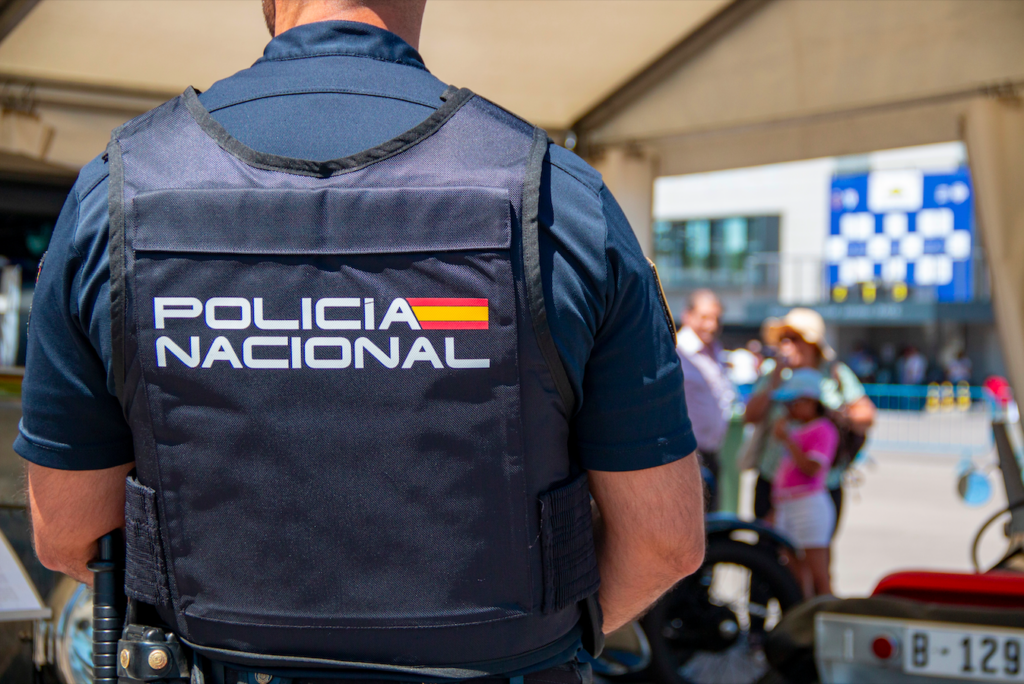
The number of officers implicated fluctuated from year to year. Photo credit: Sauce Reques/Shutterstock
More than 100 police officers in Spain have been arrested or investigated over suspected links to drug trafficking in the past five years, according to official figures from the Ministry of Interior. The data, covering 2021 to 2025, includes members of both the Policía Nacional and the Guardia Civil. These figures provide the clearest official snapshot to date of the scale of corruption linked to narcotics activity among law enforcement personnel and highlight the ongoing challenges of maintaining integrity within Spain’s police forces. The disclosure followed a parliamentary question submitted by the political party EH Bildu, demonstrating the government’s commitment to transparency regarding internal misconduct.
Number of officers affected
A total of 106 officers have been implicated over the five-year period. The cases include both formal arrests and ongoing investigations, although authorities have not released detailed information on individual cases or judicial outcomes. While the number of officers involved represents a small proportion of the overall workforce, the seriousness of the alleged offences highlights the operational and reputational risks associated with corruption. Any involvement of law enforcement personnel in organised crime can have consequences beyond the individuals concerned, potentially undermining public trust and reducing the effectiveness of policing operations.
The number of officers implicated fluctuated from year to year. The lowest number was recorded in 2022, with 16 cases, while both 2023 and 2025 saw 24 officers arrested or investigated, the highest figures in the period examined. These fluctuations reflect multiple factors, including the pace of investigations, internal detection of misconduct, and judicial processing timelines. The data does not indicate a clear trend of increasing or decreasing corruption, but rather shows that internal investigations remain a consistent feature of oversight and that vulnerabilities continue to emerge across different years.
Legal status of cases
It is important to note that being arrested or investigated does not imply guilt. Officers remain presumed innocent unless proven otherwise in a court of law. Investigations into alleged links with drug trafficking can be complex and protracted, particularly when they involve organised criminal networks, financial transactions, or cross-border activity. Some of the cases included in the five-year total remain active, while others may have reached conclusions, though the Ministry has not provided a detailed breakdown of outcomes or convictions.
Context and geographic factors
Spain’s geography adds context to the pressures faced by law enforcement. The country is one of Europe’s main entry points for drugs, particularly substances arriving from North Africa and Latin America, making it a key transit route for organised criminal groups. Its extensive coastline, major ports, and international transport links create opportunities for traffickers, placing additional importance on internal vigilance. Even a small number of compromised officers can have operational consequences, affecting investigations, border controls, and broader anti-crime efforts.
Internal monitoring mechanisms play a central role in addressing these risks. Both the Policía Nacional and Guardia Civil maintain specialised units tasked with investigating internal misconduct, including links to organised crime. Cooperation with judicial authorities is essential, particularly in cases involving complex criminal networks or illicit financial activity. Anti-corruption measures include audits, disciplinary procedures, and ongoing monitoring aimed at detecting misconduct before it undermines operational integrity.
Impact and significance
The nature of the offences involved underscores their seriousness. Drug trafficking is highly organised and profitable, and any officer implicated can provide traffickers with significant operational advantages. The Ministry of Interior has repeatedly stated that combating internal corruption is a top priority alongside traditional policing duties, and continued oversight is essential to maintaining credibility and effectiveness. While the absolute number of officers implicated is small relative to the total workforce, each case represents a risk to the integrity of policing and the perception of law enforcement institutions.
The disclosure of these figures serves as a reminder of the challenges faced by Spanish police in managing both external criminal threats and internal integrity risks. Parliamentary scrutiny and media coverage ensure that the issue remains visible, while authorities continue to implement measures designed to prevent corruption. New cases are likely to emerge as enforcement activity continues, reflecting both the persistent nature of organised crime and the need for ongoing vigilance. Officers implicated in these cases remain subject to the legal principle of presumption of innocence, and judicial processes are ongoing for many investigations reported.
By maintaining transparency about arrests and investigations, the Ministry seeks to reinforce public trust and ensure that the Spanish police and Guardia Civil can operate effectively while upholding high standards of accountability. Although the officers involved represent a minority of the workforce, the sensitivity of the offences highlights the stakes involved in protecting the integrity of law enforcement. Vigilance, oversight, and cooperation with judicial authorities remain essential components of Spain’s broader anti-corruption and anti-narcotics strategies.
Sign up for personalised news
Subscribe to our Euro Weekly News alerts to get the latest stories into your inbox!
By signing up, you will create a Euro Weekly News account if you don't already have one. Review our Privacy Policy for more information about our privacy practices.





Molly Grace
Molly is a British journalist and author who has lived in Spain for over 25 years. With a background in animal welfare, equestrian science, and veterinary nursing, she brings curiosity, humour, and a sharp investigative eye to her work. At Euro Weekly News, Molly explores the intersections of nature, culture, and community - drawing on her deep local knowledge and passion for stories that reflect life in Spain from the ground up.
Comments