Semana Santa in Spain explained: Who comes out each day and why
By Molly Grace • Published: 24 Mar 2026 • 19:52 • 4 minutes read
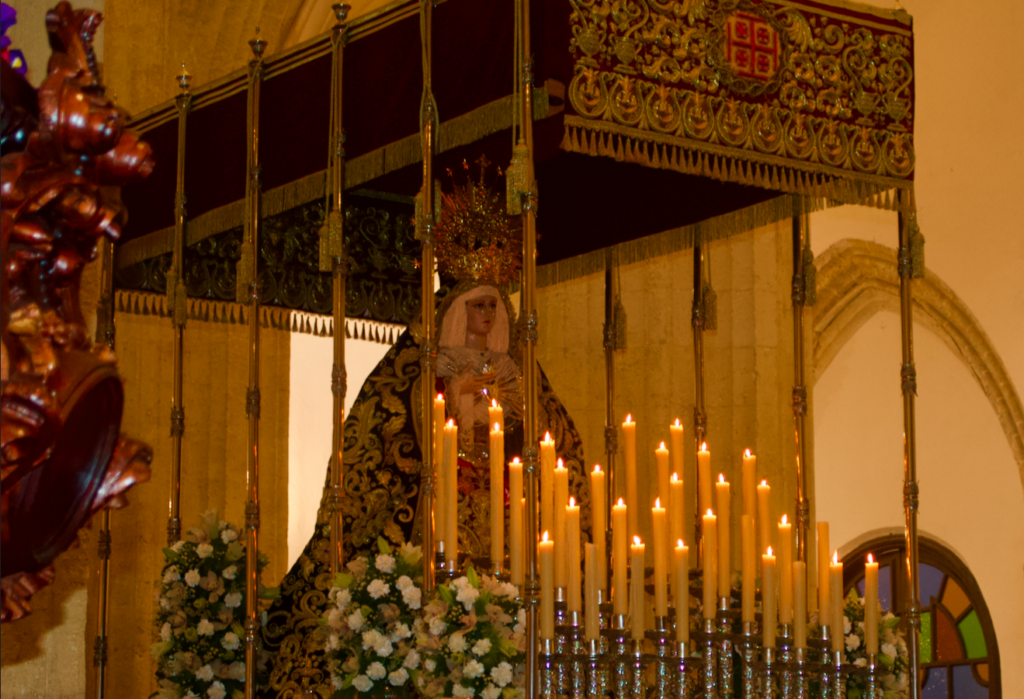
Devotees often walk barefoot behind the paso or carry crosses and candles, fulfilling personal vows made to the Virgin. Photo credit: Molly Grace
For expats and visitors living in Spain, Semana Santa, or Holy Week, is one of the country’s most visually striking and emotionally powerful events. Celebrated in towns and cities nationwide, the week-long series of processions commemorates the final days of Jesus Christ, from his entry into Jerusalem to his crucifixion and resurrection.
At the heart of each procession is a cofradía, a Catholic brotherhood often centuries old, linked to a specific parish or church. Cofradías organise each procession, coordinating participants, routes, and the transport of floats. The central element of each procession is the paso, an elaborately decorated float carrying life-sized sculptures depicting scenes from the Passion, such as Christ carrying the cross or the Virgin Mary in mourning.
Behind the Processions
Pasos can weigh over a tonne and are carried on the shoulders of costaleros, bearers hidden beneath the structure, moving in slow, coordinated steps. The capataz, or foreman, gives vocal commands and rhythmic signals to guide the paso through streets and corners. Accompanying the floats are nazarenos, members of the brotherhood dressed in robes and pointed hoods, many walking barefoot or carrying small crosses as acts of penance.
A traditional marching band of brass and percussion plays music that sets the emotional tone and controls the pace for the costaleros. Spectators may participate directly in processions as acts of devotion or to fulfil personal promises made to the Virgin Mary.
Palm Sunday: The arrival of Christ in Jerusalem
Semana Santa begins with Palm Sunday (Domingo de Ramos), celebrating Jesus’ triumphal entry into Jerusalem. Cofradías carry pasos such as La Borriquita (“the little donkey”), depicting Christ riding a donkey while crowds hold palm branches.
This day is often celebratory, with children sometimes participating as nazarenos. Spectators line the streets waving palms or following the procession providing an accessible introduction to Holy Week traditions.
Holy Monday and Tuesday: Reflection and betrayal
Holy Monday (Lunes Santo) and Holy Tuesday (Martes Santo) focus on reflection and Christ’s arrest (Jesús Prendido). These processions are more solemn, with slow, mournful marches from the bandas.
Pasos often depict scenes of Jesus in prayer or the events leading to his capture. Devotees frequently carry symbolic crosses, or wear penitential robes, demonstrating personal devotion. Candlelit streets and reflective silence in some towns emphasise the somber mood.
Holy Wednesday: The weight of the cross
Holy Wednesday (Miércoles Santo) features Jesús Nazareno, depicting Christ carrying the cross. These pasos are physically demanding and require months of preparation for costaleros.
Bands play slow, steady marches, reflecting the gravity of Christ’s burden. Devotees often carry symbolic items as acts of penance, blending public devotion with personal spiritual reflection. Streets may be lit with candles to create a meditative atmosphere.
Maundy Thursday: Devotion and major processions
Maundy Thursday (Jueves Santo) commemorates the Last Supper and the start of Christ’s Passion. Elaborate pasos include Cristo del Gran Poder (Christ of Great Power) and Virgen de la Esperanza (Virgin of Hope).
In towns such as Málaga and Cádiz, multiple cofradías converge in central squares. The public often joins in prayer or bows respectfully during processions. Devotion is expressed through walking behind pasos, lighting candles, or following specific vows.
Good Friday: Grief and devotion
Good Friday (Viernes Santo) is the most solemn day of Holy Week. Cofradías carry pasos of Cristo Crucificado and Santo Entierro (the burial of Christ).
Central to the day is Virgen de los Dolores, Our Lady of Sorrows. Her paso depicts Mary mourning, dressed in black, surrounded by candles. Devotees often walk barefoot behind the float or carry crosses as personal acts of penance, fulfilling promises made to the Virgin for prayers answered. Cities like Sevilla, Málaga and Granada attract large crowds, combining pasos, music, and public acts of devotion into one of the most moving spectacles of the week.
Holy Saturday and Easter Sunday: From mourning to celebration
Holy Saturday (Sábado Santo) focuses on Christ’s burial and the Virgin’s solitude. Music is subdued, creating a quiet, reflective atmosphere.
Easter Sunday (Domingo de Resurrección) celebrates Cristo Resucitado, the risen Christ. Bands play jubilant music, pasos are carried with more energy, and spectators cheer. Rituals include flower offerings, children’s processions, and symbolic releases of white doves. The shift from mourning to joy represents renewal and hope.
Weather and Processions
Heavy rain often forces cofradías to move celebrations indoors. If streets are unsafe, pasos may be carried only inside the church or cathedral. While rituals continue, the intimacy and communal atmosphere of street processions cannot be fully replicated. Missing a procession due to weather can feel like a broken vow or lost opportunity for devotion.
Contingency plans may include moving pasos to the main nave or cloisters, but the visual and auditory impact of bands, nazarenos, and costaleros in open streets is diminished, often causing sadness among long-time participants.
Saetas: The voices of devotion
Throughout Semana Santa, singers perform saetas, traditional, unaccompanied flamenco-style devotional songs. Sung from balconies, windows, or street corners, saetas honour the paso as it moves through the streets, often causing the procession to pause for a moment of reflection.
Anyone with musical ability and religious devotion may perform a saeta, from trained flamenco performers to local residents or participants in the procession. While saetas can be heard on any day of Semana Santa, they are especially common during the major solemn processions from Holy Wednesday through Good Friday, when pasos depicting Christ or the Virgin pass through crowded streets.
Why Semana Santa is special
Semana Santa is more than a cultural spectacle; it is a deeply personal and communal expression of faith. Cofradía members often participate for life. Carrying a paso, walking barefoot, or fulfilling a vow publicly is considered an act of devotion, humility, and penance.
For expats and visitors, understanding these symbols and traditions, including the roles of costaleros, nazarenos, bandas, pasos, and saetas, transforms Semana Santa into an immersive cultural and spiritual experience. Each procession tells a story of devotion, sacrifice, and community, offering a vivid window into the heart of Spanish religious life.
Sign up for personalised news
Subscribe to our Euro Weekly News alerts to get the latest stories into your inbox!
By signing up, you will create a Euro Weekly News account if you don't already have one. Review our Privacy Policy for more information about our privacy practices.

Molly Grace
Molly is a British journalist and author who has lived in Spain for over 25 years. With a background in animal welfare, equestrian science, and veterinary nursing, she brings curiosity, humour, and a sharp investigative eye to her work. At Euro Weekly News, Molly explores the intersections of nature, culture, and community - drawing on her deep local knowledge and passion for stories that reflect life in Spain from the ground up.
Comments