Why travellers are choosing experiences over traditional vacations
By Guest Writer • Published: 26 Mar 2026 • 10:31 • 3 minutes read
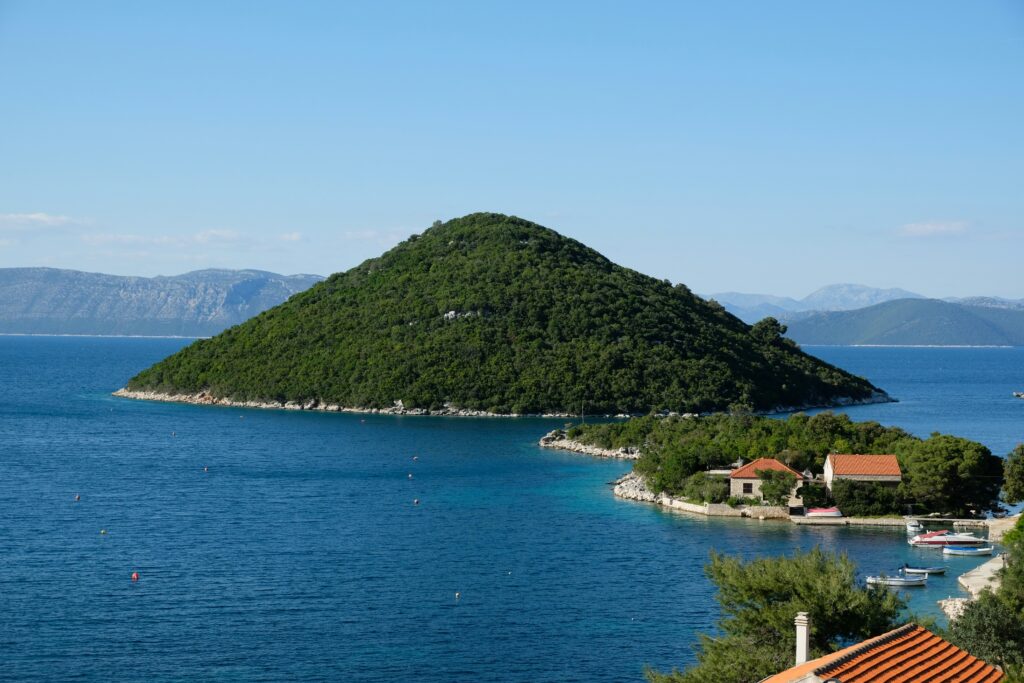
Image: Bruno Wolff/Unsplash.com
Travel habits have changed significantly over the past decade. While traditional vacations once focused on relaxation at a single destination, many travellers now prefer trips that offer something more engaging.
Instead of spending an entire week at one hotel or resort, people are increasingly looking for ways to actively experience a place. Activities, cultural immersion, and unique environments have become more important than simply checking into accommodation and staying nearby.
This shift toward experience-driven travel is shaping how people plan trips and what they expect from them.
Travellers want more than just a place to stay
In the past, many vacations revolved around comfortable hotels, beach resorts, and predictable schedules. The goal was often simple relaxation. While relaxation still matters, travellers today often want a stronger sense of connection with the places they visit.
Instead of spending most of their time at one property, they prefer exploring local neighborhoods, natural landscapes, or cultural sites. Walking through historic towns, visiting small islands, trying regional food, or taking part in local activities can become the highlight of a trip.
These kinds of experiences create lasting memories that go beyond the comfort of accommodation.
Unique activities create stronger memories
Research and travel trends consistently show that people remember experiences more clearly than places. A hotel room may be comfortable, but it rarely becomes the story someone tells after returning home.
Experiences, on the other hand, often become the defining moments of a trip. Sailing along a coastline, hiking through mountain trails, or exploring historic cities can create stories that travellers share long after the vacation ends.
Because of this, many people now design their trips around activities first and accommodation second.
Smaller groups and personalised travel
Another change in modern travel is the move away from large, standardised tours toward smaller and more flexible experiences. Travellers increasingly prefer trips that feel personal and adaptable.
Small-group adventures, guided journeys, and private experiences allow travellers to move at their own pace and focus on what interests them most. This approach often leads to deeper engagement with a destination.
Instead of feeling like part of a large tour group, travellers feel more connected to both the place and the people they are traveling with.
Exploring destinations from different perspectives
Experience-driven travel also encourages people to see destinations in new ways. Instead of simply visiting major landmarks, travellers look for different perspectives that reveal more about a region.
For example, coastal destinations are often experienced differently when explored by water rather than by road. Sailing along island chains or stopping in small harbors offers a view of a coastline that many visitors never see.
Options such as a Croatia gulet trip allow travellers to move between islands while enjoying the slower rhythm of life at sea. This kind of journey turns transportation itself into part of the experience rather than just a way to reach a destination.
Slow travel is becoming more popular
Many experience-based trips also follow the concept of slow travel. Instead of rushing between multiple cities in a short period of time, travellers spend more time exploring one region in depth.
This approach reduces stress and allows people to notice details they might otherwise miss. Local markets, quiet villages, small beaches, and regional traditions become part of the journey.
Slow travel encourages a more thoughtful and immersive way of seeing the world.
Travel as a form of personal enrichment
Another reason experiences have become more important is the way people now view travel itself. For many travellers, trips are no longer just breaks from routine. They are opportunities to learn, grow, and expand perspectives.
Experiencing new cultures, landscapes, and ways of life can leave a lasting impression. Whether it involves trying unfamiliar food, exploring historical sites, or navigating a new environment, these experiences often feel more meaningful than simply resting at a resort.
Social media and storytelling
Modern travel is also influenced by the way people share their experiences. Photos, videos, and stories posted online have become part of how travellers document their journeys.
Experiences tend to create more interesting stories than static locations. A sailing trip between islands, a hike through a national park, or a cultural festival often produces the kind of moments people enjoy sharing with friends and family.
This storytelling aspect reinforces the appeal of travel experiences over traditional vacations.
A different way of thinking about travel
The growing interest in experience-based travel does not mean traditional vacations have disappeared. Resorts, beaches, and relaxing holidays remain popular. What has changed is the balance.
Many travellers now want a combination of comfort and discovery. They want to relax, but they also want to explore, learn, and engage with their surroundings.
As a result, travel planning increasingly focuses on activities and environments that create memorable experiences. The destination is still important, but the experiences within that destination have become the real reason people travel.
Sign up for personalised news
Subscribe to our Euro Weekly News alerts to get the latest stories into your inbox!
By signing up, you will create a Euro Weekly News account if you don't already have one. Review our Privacy Policy for more information about our privacy practices.



Guest Writer
Comments