Spain recalls contaminated sausage batches after salmonella detection in ready-to-eat product
By Molly Grace • Published: 27 Mar 2026 • 0:17 • 2 minutes read
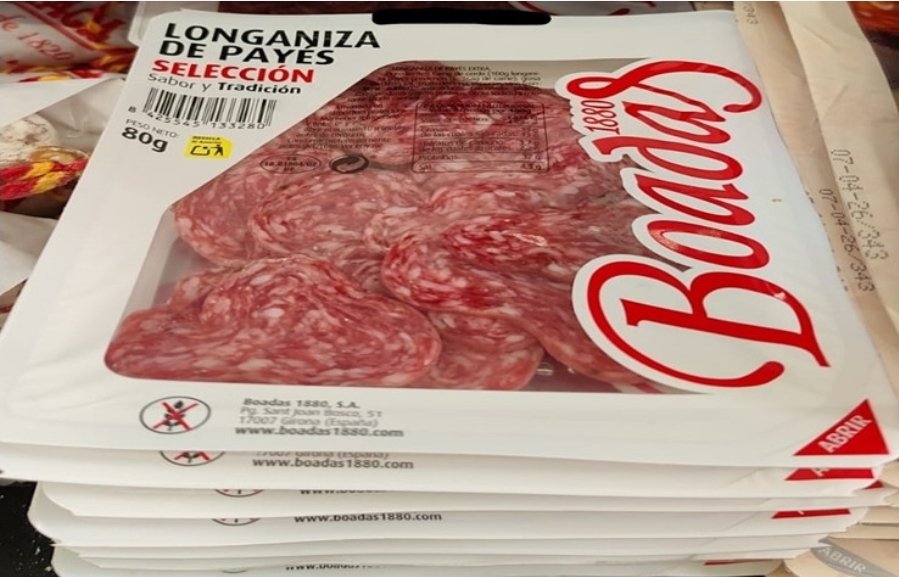
AESAN has instructed anyone who may have purchased the product to avoid consuming it. Photo credit: AESAN on X
Spanish food safety authorities have issued a nationwide alert after salmonella was detected in specific batches of a ready-to-eat sausage product distributed across several regions. Consumers are being advised not to consume the affected items, which have been removed from sale as a precautionary measure.
The warning was published by the Agencia Española de Seguridad Alimentaria y Nutrición (AESAN) after the contamination was identified and reported through Spain’s coordinated food safety alert network. The product concerned is “longaniza de payés selección”, a cured sausage manufactured by Boadas 1880.
According to the official notification, the presence of salmonella was detected during standard monitoring procedures. The batches were distributed to Andalucía, Cataluña, Comunidad Valenciana and Murcia, with authorities indicating that redistribution beyond these regions cannot be ruled out due to standard supply chains.
Identified batches and steps consumers should take
The affected lot numbers have been confirmed as 329, 330, 331, 345, 346 and 347. As the product is sold ready to eat, without the need for cooking, the potential for exposure is higher than with products that undergo heat treatment before consumption.
Consumers who have purchased the product are advised not to eat it under any circumstances. Standard guidance issued by AESAN recommends disposing of the product safely or returning it to the retailer where it was purchased.
Retailers have been instructed to withdraw the affected batches immediately. Regional health authorities are also overseeing the recall process to ensure that the product is no longer available for sale and that all necessary measures are taken to protect public health.
Symptoms and health risks associated with salmonella
Salmonella infection is a well-documented cause of gastrointestinal illness and is typically transmitted through contaminated food products. Symptoms generally develop within six to 72 hours after consumption.
The most common signs include diarrhoea, vomiting and fever. In some cases, individuals may also experience abdominal cramps, headache and general fatigue. While the illness is often self-limiting in healthy adults, it can lead to complications in more vulnerable groups, including young children, elderly individuals and those with underlying health conditions.
Medical advice should be sought if symptoms are severe, persist beyond a few days or lead to dehydration. Health professionals can assess whether further treatment or monitoring is required.
Food safety controls and traceability measures
The alert forms part of Spain’s established food safety framework, which is designed to identify and manage risks efficiently. Once contamination is detected, information is shared through the national alert system to ensure rapid coordination between regions.
This system enables authorities to trace affected products, notify retailers and inform the public without delay. It also ensures that corrective measures, including product withdrawals and inspections, are carried out in a consistent manner.
In this case, the response has focused on isolating the affected batches and preventing further distribution. Ongoing monitoring is expected to confirm that all impacted products have been removed from the supply chain.
Broader context and consumer awareness
Although the current alert is limited to specific batches of one product, food safety authorities emphasise the importance of remaining informed about official recalls and alerts. Incidents of contamination are relatively rare but can occur despite regulatory controls and industry standards.
Consumers are encouraged to check product labels carefully, particularly batch numbers, when alerts are issued. This allows individuals to determine quickly whether they may have purchased an affected item.
The situation also underlines the role of routine inspections and laboratory testing in identifying risks before they become more widespread. Early detection enables authorities to act promptly, reducing the likelihood of larger outbreaks.
For updates and further details, consumers can refer to official communications issued by AESAN, which continues to monitor the situation and provide guidance where necessary.
Sign up for personalised news
Subscribe to our Euro Weekly News alerts to get the latest stories into your inbox!
By signing up, you will create a Euro Weekly News account if you don't already have one. Review our Privacy Policy for more information about our privacy practices.



Molly Grace
Molly is a British journalist and author who has lived in Spain for over 25 years. With a background in animal welfare, equestrian science, and veterinary nursing, she brings curiosity, humour, and a sharp investigative eye to her work. At Euro Weekly News, Molly explores the intersections of nature, culture, and community - drawing on her deep local knowledge and passion for stories that reflect life in Spain from the ground up.
Comments