28 sharks test positive for cocaine in the Bahamas as 2026 study reveals tourism impact
By Dora Urbancsek • Published: 29 Mar 2026 • 16:10 • 2 minutes read
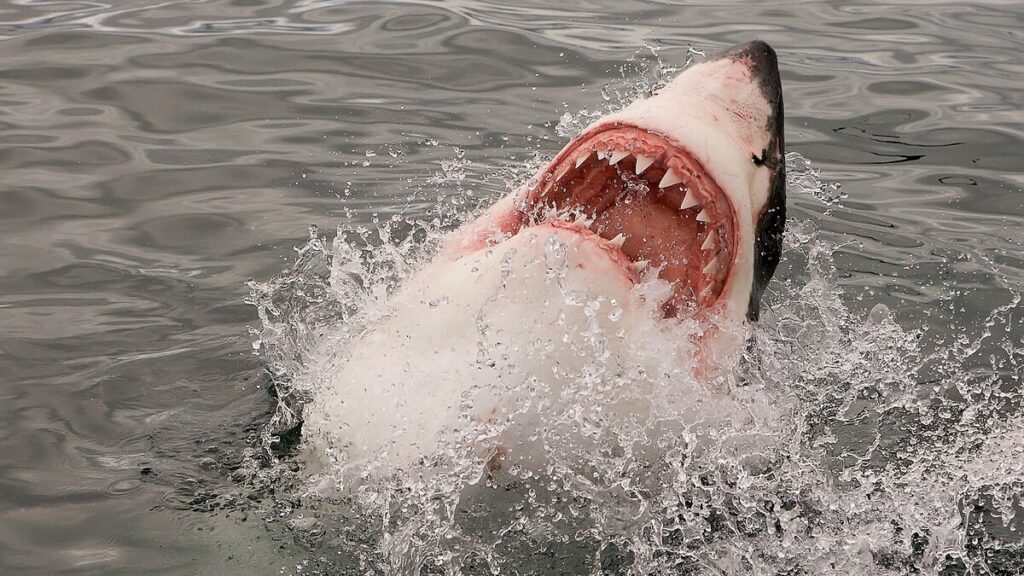
Sharks in Caribbean waters have tested positive for cocaine and other substances linked to wastewater pollution Credit: Shutterstock/Gujjar Tiyarah
A landmark study of 85 sharks near Eleuthera Island has officially confirmed that 28 individuals, nearly a third of the sample, have tested positive for human-derived drugs including cocaine, caffeine, and common painkillers. The research, published this weekend, Sunday, March 29, 2026, represents the first time these “emerging contaminants” have been detected in the blood of top Caribbean predators.
For travellers and coastal residents, the immediate consequence of these findings is a renewed focus on the failure of local wastewater systems to filter out pharmaceutical residues from high-density tourist areas. While marine biologists at the National Oceanic and Atmospheric Administration (NOAA) emphasize that these sharks are not showing signs of “erratic behavior,” the presence of these substances in their blood reveals a hidden metabolic shift that is quietly reshaping the marine food web in one of the world’s most popular diving destinations.
What scientists actually found in Caribbean sharks
The study examined around 85 sharks, with approximately a third showing traces of human-derived chemicals. Among the substances detected were:
- Cocaine
- Caffeine
- Painkillers and other pharmaceuticals
According to researchers, these contaminants are most likely entering the ocean through untreated or insufficiently treated wastewater, as well as runoff linked to densely populated coastal and tourist areas. Institutions such as National Oceanic and Atmospheric Administration have long warned that marine pollution from human activity, particularly wastewater discharge, is an increasing threat to ocean health globally.
Are sharks behaving differently?
Despite the viral headlines, there is currently no evidence that sharks are becoming aggressive or erratic due to drug exposure. Marine scientists emphasise that:
- Detected levels are typically very low
- There is no confirmed link to increased attacks or unusual behaviour
- Most findings relate to presence of substances, not proven biological impact
This aligns with broader marine research, which shows that while smaller fish may exhibit behavioural changes under controlled exposure, the effects on large predators like sharks remain unclear.
Why this matters for coastal areas and tourism
For regions like the Caribbean, where tourism is a major economic driver, the findings highlight a less visible consequence of heavy visitor activity. Wastewater systems in high-traffic destinations can struggle to keep up, allowing trace pollutants to enter surrounding seas. Over time, this creates a cocktail of chemicals in marine environments that scientists are only beginning to fully understand. The issue is not limited to the Caribbean. European coastal regions, including parts of Spain, have also faced scrutiny over wastewater management and marine pollution levels in recent years.
From viral headline to real environmental warning
The phrase “cocaine sharks” may grab attention, but researchers warn it risks oversimplifying a complex environmental issue. What the study really shows is that:
- Human activity is leaving measurable chemical traces in marine wildlife
- Pollution is reaching even top predators
- The long-term ecological effects remain largely unknown
In other words, sharks are not suddenly turning into drug-fuelled predators, but they are becoming indicators of how deeply human habits are penetrating ocean ecosystems.
What this could mean for coastal pollution control
Researchers say the findings are likely to increase pressure on governments and local authorities to tighten wastewater treatment standards, particularly in high-tourism coastal areas.
Current systems in many popular destinations are not designed to fully filter out pharmaceutical and drug residues, allowing trace chemicals to pass into the sea. Environmental agencies, including National Oceanic and Atmospheric Administration, have already warned that these “emerging contaminants” are becoming a growing concern for marine ecosystems.
Sign up for personalised news
Subscribe to our Euro Weekly News alerts to get the latest stories into your inbox!
By signing up, you will create a Euro Weekly News account if you don't already have one. Review our Privacy Policy for more information about our privacy practices.





Dora Urbancsek
Dora Urbancsek is an SEO writer with over eight years of experience producing high-quality, search-optimised journalism and digital content. Based in Spain for more than five years, she covers a wide range of topics concerning Spain and Europe, including current affairs, community stories, culture, and lifestyle. Dora is known for accurate, well-researched reporting that keeps readers informed and engaged.
Comments