A guide for residents to the social life of Andalucía’s Spring ferias
By Molly Grace • Updated: 31 Mar 2026 • 17:40 • 4 minutes read
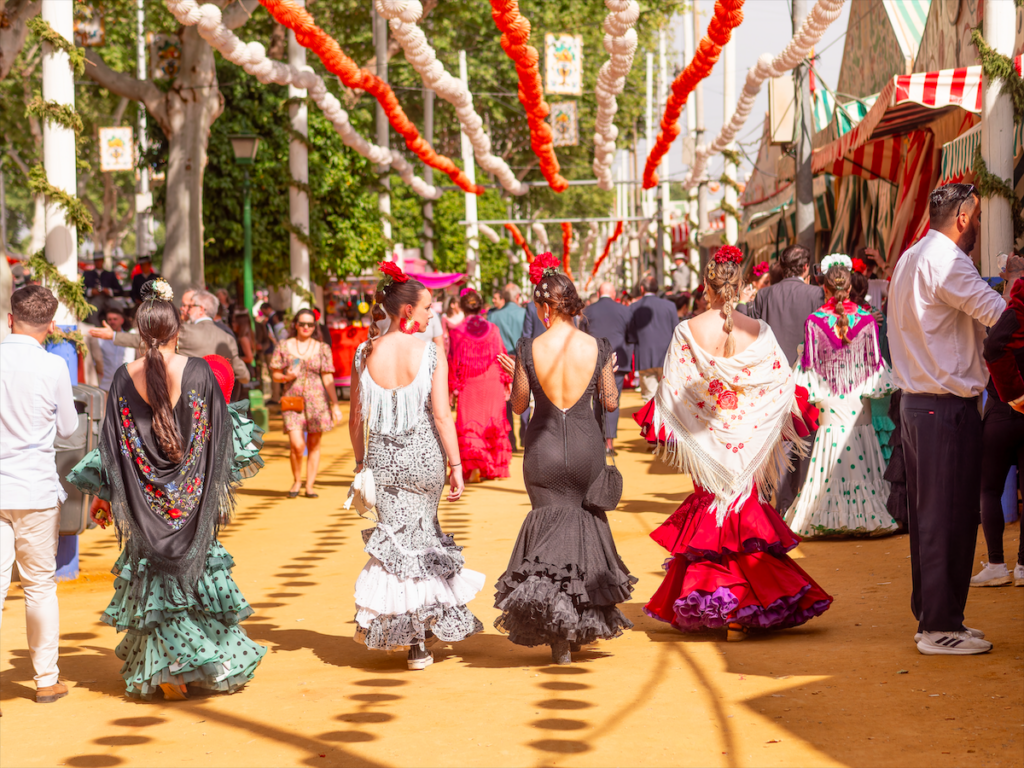
The feria began as a 19th-century agricultural fair, where farmers and traders gathered to buy and sell livestock. Photo credit: Javidestock/Shutterstock
As winter fades, Andalucía awakens to the subtle rhythm of spring. Streets brighten, cafés fill with conversation, and towns prepare for a series of social gatherings that carry the region from April into early summer. These are the ferias de primavera, a season of fairs that defines life across southern Spain. They are not singular celebrations but a chain of events interwoven with local culture, history, and community life.
While Sevilla’s Feria de Abril running this year from April 21 to April 26 is the most widely recognised internationally, it is only one part of a broader cycle that includes other provinces such as Cádiz, Córdoba, Almería and Granada. Each feria follows familiar elements, fairgrounds, casetas, horses, and dancing, yet reflects the character and history of its location.
For residents and expats, the season forms a rolling social calendar, with weekends and evenings shaped by invitations, communal meals, and the movement of the feria from one town to another. The rhythm subtly transforms daily life: shops close later, streets become livelier, and conversations increasingly revolve around which feria people plan to attend.
From livestock market to social institution
The ferias began as a 19th-century agricultural fair, where farmers and traders gathered to buy and sell livestock. These practical gatherings quickly developed a social dimension. Families set up temporary shelters to eat and rest, gradually evolving into the casetas that now form the heart of feria life.
As commercial activity declined, festive and social functions took precedence. By the early 20th century, the feria had become a structured expression of hospitality, community, and celebration. Its rural roots remain evident in horses, carriages, and clothing linked to agricultural life.
Cádiz: the accessible feria culture
Cádiz province offers some of the most inclusive and approachable celebrations. Ferias here tend to be less formal, emphasising participation over display.
In El Puerto de Santa María (April 29 – May 4) the Feria de Primavera is closely linked to fino wine, shaping both the pace and conviviality of social interaction.
Nearby Sanlúcar de Barrameda focuses on manzanilla (A type of sherry wine), giving the event a distinctive local flavour. Local music, food, and community activities further enhance the experience, creating a lively and welcoming environment.
Feria de Jerez (May 9 – May 16), in contrast, maintains a structured schedule, with horse shows and parades forming the daily focal point reflecting a long-standing local practice that predates the modern fair format and highlights the town’s connection to horsemanship and Andalucían culture. Vejer de la Frontera hosts a smaller, community-focused feria, where tradition is preserved through participation rather than performance. Its intimate scale allows residents and visitors to connect closely with local life.
Dress as a form of belonging
Traditional dress is one of the most recognisable features of the feria. The vestido de flamenca or vestido de Gitana (Gypsy dress) , worn by many women, is not a costume but a sign of participation and respect for tradition.
Its origins lie in rural working clothing among Andalucían and Romani communities. Designed to allow movement while maintaining a distinctive silhouette, it evolved into a vibrant cultural statement. Women’s dresses are often adorned with ruffles, bright colours, polka dots, and accessories such as shawls or flowers, highlighting individuality within tradition.
Men often wear a suite or the traje corto, reflecting horsemen’s attire and reinforcing the feria’s rural heritage. Traditional dress code marks the wearer as an active participant, creating a shared sense of occasion. For both locals and visitors, wearing these garments communicates engagement and respect for the festival’s social and cultural codes.
The structure of the feria day
Across Andalucía, ferias follow a broadly consistent rhythm. Activity begins late morning with the paseo de caballos (horse riding), as riders and carriages parade through the fairground. This continues older traditions and provides social visibility.
Afternoons are spent in casetas, where groups eat, drink, and converse. In cities such as Sevilla, many casetas are private, while in Cádiz a higher proportion remain open to the public, encouraging participation. Traditional dishes, local wines, and communal dining reinforce social bonds, blending culinary and cultural experience.
Evening shifts focus to music and dancing. Sevillanas structure interaction, functioning less as performance than shared activity. Participation, rather than technical skill, is central. The repetition of dances reinforces the rhythm of the night, connecting locals and visitors alike.
Almería and Granada and the extension of the season
Almería hosts its Feria de Primavera mid April, it usually is a smaller and family-friendly, it includes fairground rides, food stalls, live music, and traditional dress code.
Granada’s Corpus Christi occurs later in the season, typically in early June, and is anchored in a religious feast rather than the post–Semana Santa period. Despite differing origins, it shares the same elements: casetas, traditional dress, fairground spaces, and a clearly defined social rhythm.
Its inclusion within the feria season shows the tradition’s adaptability. While its calendar differs from Sevilla or Cádiz, its function aligns with the broader spring cycle, sustaining communal and cultural continuity. Visitors experience the same festive energy, blending tradition, celebration, and social connection.
Understanding the social code
For newcomers, the feria can appear opaque. It is not organised around scheduled performances but through informal social practices: invitations, shared tables, and participation in dance.
Engagement is central. Accepting hospitality, joining conversation, or taking part in a dance allows participants to experience the feria fully. These informal practices create a living cultural environment, enabling visitors to engage meaningfully with tradition while respecting local norms.
A continuing framework for community life
For expats and residents, participating in the season reveals how Andalucía functions beyond its surface image. It is not a single event centred on one city, but a shared cultural rhythm, expressed differently across towns yet connected by common origins, seasonal patterns, and communal practices. From the streets of Sevilla to smaller towns in Cádiz, the feria is a vivid reminder that in Andalucía, culture is actively lived, celebrated, and experienced by all who join in.
Sign up for personalised news
Subscribe to our Euro Weekly News alerts to get the latest stories into your inbox!
By signing up, you will create a Euro Weekly News account if you don't already have one. Review our Privacy Policy for more information about our privacy practices.



Molly Grace
Molly is a British journalist and author who has lived in Spain for over 25 years. With a background in animal welfare, equestrian science, and veterinary nursing, she brings curiosity, humour, and a sharp investigative eye to her work. At Euro Weekly News, Molly explores the intersections of nature, culture, and community - drawing on her deep local knowledge and passion for stories that reflect life in Spain from the ground up.
Comments