Valencia caps tourist flats in attempt to tackle ‘touristflation’
By Natascha Rivera • Updated: 02 Apr 2026 • 12:24 • 3 minutes read
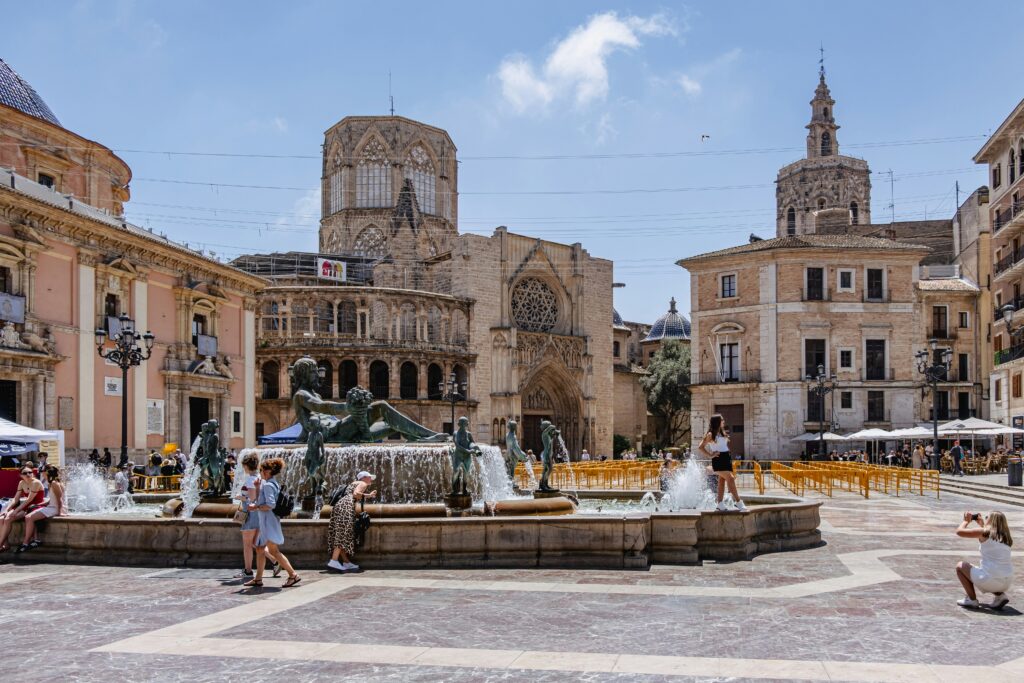
Valencia limits tourist flats to ease housing and overtourism pressures Photo Credit: Olga Iacovlenco / Unsplash
Officials in Valencia have approved new rules for a clampdown on the number of tourist accommodations in the Spanish city. The move is being put forward as an attempt to control the rampant ‘touristflation,’ or overtourism that causes a shortage of housing for locals as visitors rent tourist flats rather than staying at local hotels.
Valencia’s tourist flat clampdown: Who is affected?
The regulations state that the number of holiday homes and flats in the city cannot exceed 2 per cent of the total housing in each of the city’s neighbourhoods and districts. The new proposal also states that a maximum of 8 per cent of the population in any given area of the city can be staying at a tourist accommodation at one time.
Under the new proposal, it will also become very difficult to open a new tourist flat, since many of Valencia’s central neighbourhoods are near or above the cap, leading to automatic rejections.
According to the Mayor of Valencia, María José Catalá, the city is the first in Spain to impose a limit on these holiday accommodations. Mayor Catalá also stated that the move would ensure that at least 98 per cent of homes built would go towards residential use.
Officials hope that the decision will protect long-term housing for residents, reduce over-tourism pressure, help to stabilise rent prices, and increase the quality of neighbourhood life.
Opposition skeptical about the move’s efficacy
However, the decision was not without its naysayers. According to Francisco Guardeño, a representative of the Federation of Neighbourhood Associations of Valencia, “more than 9,000 tourist apartments [operate] illegally” in the city, representing almost double the number of hotel accommodations. The decision to clamp down on the number of registered holiday accommodations does virtually nothing to regulate the tourist housing that operates under the table.
Opposition leaders also point out that the new proposal says nothing about closing down tourist accommodations in some of Valencia’s most strained neighbourhoods.
Spain prepares for a flood of tourists following a record-breaking year
The move comes after Spain revealed a record year for tourism in 2025; nearly 96.8 million foreign visitors chose to holiday in Spain during the year, and these tourists generated a jaw-dropping €134.7 billion in spending. Of these, the United Kingdom was Spain’s largest source of tourists, with approximately 19.1 million British visitors.
Rising tourism tensions in Spain: Officials scramble ahead of peak season
Valencia is just one of the cities and areas in Spain that has seen a recent rise in anti-tourism protests. Locals in areas including Barcelona and Mallorca have taken to the streets in a bid to stymie overtourism, which they claim directly causes economic issues including a housing crisis and a high cost of living, as well as sociopolitical issues like the loss of cultural identity.
In February, the regional branch of the Spanish Socialist Workers’ Party (PSOE) put forth a motion in parliament, calling for a cap of 17.8 million tourists per year in the Balearic Islands. The autonomous community, especially the islands of Mallorca and Ibiza, are titans for attracting tourists, but the high concentration of visitors have caused economic, social, and ecological turmoil on the islands.
On the first day of April, the Catalan capital of Barcelona also officially put into effect a hefty tourist tax, which officials hope will help to curb the strains caused by overtourism. The tax, which is one of the highest in Europe and which is expected to reach a maximum of €15 in the coming years, is a fee tourists staying in accommodations (including hotels, tourist flats, and hostels) must pay per person, per night. A quarter of these funds will be funneled towards easing the housing crisis in the city.
Whether the move will make visible changes in the quality of life for those living in Valencia remains to be seen.
Sign up for personalised news
Subscribe to our Euro Weekly News alerts to get the latest stories into your inbox!
By signing up, you will create a Euro Weekly News account if you don't already have one. Review our Privacy Policy for more information about our privacy practices.


Natascha Rivera
Natascha is a Dominican writer based in Spain with a background in audiovisual and marketing communication. A lifelong reader and passionate storyteller, she brings a creative edge to her work at Euro Weekly News. Her multicultural perspective informs her coverage of lifestyle and community stories, offering fresh angles and relatable storytelling that connects with a diverse audience.
Comments