Canary Islands hit 1.4m visitors as Catalonia arrivals drop 6.2%: Spain’s 2026 winter tourism split revealed
By Dora Urbancsek • Published: 04 Apr 2026 • 11:18 • 3 minutes read
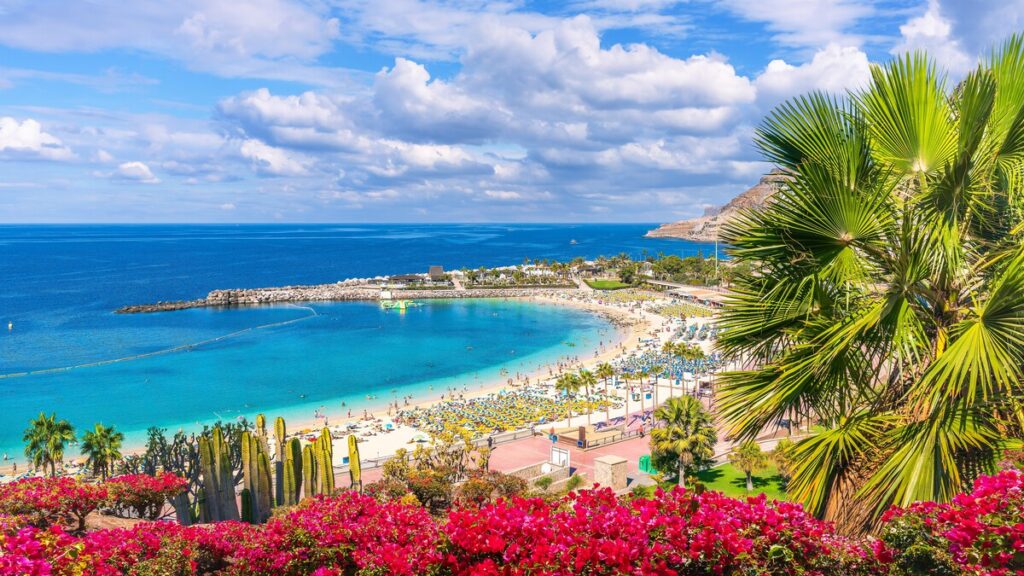
Winter tourism in Spain shows a clear divide, with some regions gaining visitors while others fall behind Credit: Shutterstock/Balate.Dorin
Spain’s winter tourism is showing a clear split in early 2026, as the latest data from the Instituto Nacional de Estadística reveals €7.8 billion in international spending despite slowing growth in visitor arrivals. While the Canary Islands dominated the season with around 1.43 million visitors in January, capturing close to 28 per cent of the market, Catalonia recorded a 6.2 per cent decline in arrivals.
For expats and local businesses, the shift is increasingly visible. Average daily spending now sits at around €175 per visitor, even as traditional markets show volatility, with arrivals from France falling by nearly 19.5 per cent. At the same time, the Balearic Islands are facing reduced winter flight connectivity, reinforcing a growing divide between destinations that attract year-round demand and those that remain highly seasonal.
Winter growth continues, but at a slower pace
Across Spain, winter tourism is still growing, but only modestly. According to the Instituto Nacional de Estadística, the country received just over 5.1 million international tourists in January 2026, a year-on-year increase of 1.2 per cent.
This follows similarly slow growth at the end of 2025, with December arrivals rising by just 0.4 per cent. The figures confirm that demand for Spain remains strong, but the pace of growth is far below the summer season, where increases of 5 to 10 per cent have been common in recent years.
The Balearic Islands are losing winter visitors
The clearest example of decline can be seen in the Balearic Islands, where winter tourism continues to weaken. While annual tourism remains strong, recent monthly data shows a clear drop outside peak season. In December 2025, tourist numbers in the Balearics fell compared to other regions, and earlier figures show wider seasonal volatility, including a 2.9 per cent drop in autumn and sharper declines in Mallorca itself.
Menorca has been particularly affected, with local reports pointing to reduced flight connectivity as the main driver behind falling winter arrivals. This reflects a broader structural issue: tourism in the islands is still heavily concentrated between spring and early autumn, making the winter season highly sensitive to flight reductions and demand shifts.
Canary Islands continue to attract winter demand
In contrast, the Canary Islands remain Spain’s strongest winter performer. In January 2026, the islands received around 1.43 million tourists, accounting for nearly 28 per cent of all international arrivals in Spain that month. Visitor numbers increased by approximately 4.9 per cent compared to the previous year.
This follows a consistent pattern across recent winters, with the Canary Islands regularly ranking as Spain’s top destination during colder months. Even in December, they remained the leading region, attracting more tourists than any other autonomous community. The reason is clear: stable weather, strong flight connections and a well-established winter tourism model.
Mainland Spain shows mixed results
On the mainland, the picture is more mixed but still revealing. Madrid recorded one of the strongest performances in winter, with visitor numbers rising by 8.8 per cent in January 2026. Other regions did not perform as well. Catalonia, one of Spain’s most visited areas overall, saw a decline of 6.2 per cent in January, while it also recorded a 7.3 per cent drop in December.
Meanwhile, the Valencian Community moved in the opposite direction, posting a 5.6 per cent increase in December arrivals, highlighting how regional dynamics can differ significantly even within mainland Spain.
A shift in where tourists go, not how many arrive
The overall message is clear: Spain is not losing tourists, but redistributing them. Total tourist spending continues to rise faster than visitor numbers, with January 2026 seeing an increase of 9.3 per cent in spending despite only modest growth in arrivals. This suggests a shift towards higher-value tourism, where fewer visitors are spending more money, particularly in destinations that can attract year-round demand.
Why winter tourism is becoming more uneven
Several structural factors explain this growing divide. Connectivity is one of the most important. Regions with reduced winter flight capacity, such as parts of the Balearics, see immediate drops in visitor numbers. Climate also plays a key role, with destinations like the Canary Islands offering a clear advantage during colder months.
At the same time, travel patterns are changing. Traditional European markets have shown mixed performance, with notable declines in some segments. For example, France recorded a drop of nearly 19.5 per cent in visitors to Spain in January 2026, while other markets, including long-haul travellers, are growing.
What this means for the future
The growing divide in winter tourism presents both challenges and opportunities for Spain. For regions like the Balearic Islands, the focus is increasingly on extending the season and improving connectivity to reduce dependence on summer tourism. For others, including the Canary Islands and major cities, the goal is to sustain growth without reaching capacity limits.
For travellers and expats, the shift is already visible. Some destinations are becoming quieter in winter, while others are busier than ever.
Sign up for personalised news
Subscribe to our Euro Weekly News alerts to get the latest stories into your inbox!
By signing up, you will create a Euro Weekly News account if you don't already have one. Review our Privacy Policy for more information about our privacy practices.



Dora Urbancsek
Dora Urbancsek is an SEO writer with over eight years of experience producing high-quality, search-optimised journalism and digital content. Based in Spain for more than five years, she covers a wide range of topics concerning Spain and Europe, including current affairs, community stories, culture, and lifestyle. Dora is known for accurate, well-researched reporting that keeps readers informed and engaged.
Comments