Poland disconnects utilities at Russian consulate that Moscow refuses to hand over
By Molly Grace • Published: 04 Apr 2026 • 23:41 • 3 minutes read
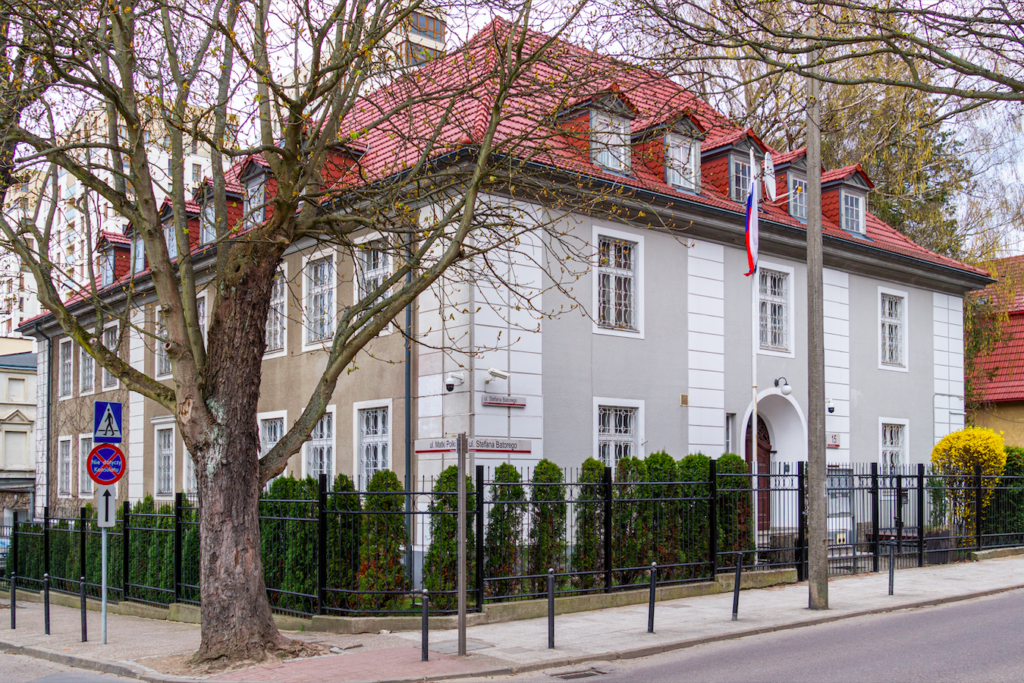
Polish authorities have rejected Moscow’s assertions that Russia holds rights to the building. Photo credit: Konoplytska/Shutterstock
Polish authorities have cut off electricity and heating to the former Russian consulate in the northern Polish city of Gdańsk after Moscow continued to occupy the building and declined to return it to Polish control.
The move follows a decision by local energy companies to suspend utility services to the property, which Poland had ordered to close in December. Russia has maintained a presence there, asserting that it retains legal rights to the site and refusing to hand it over to municipal or national authorities.
The situation has added to tensions between Warsaw and Moscow, which have been strained by a series of diplomatic disputes, including accusations of sabotage on Polish territory. The closure of the consulate was ordered in response to what Polish officials described as hostile acts connected to Russian operations inside Poland.
Power Cut After Months of Arrears
On Thursday morning, local outlets reported that electricity and heating had been disconnected at the former consulate. Poland’s foreign ministry confirmed the action later in the day through a spokesman, Maciej Wewiór, who acknowledged that utility providers had taken the step due to significant unpaid bills.
The two companies involved, Energa and GPEC, made the decision after months during which the occupants of the building failed to settle the charges for electricity and heating. According to reports, arrears have been accumulating for several months, prompting the utility firms to act in line with standard procedures for unpaid bills.
The former consulate was ordered to close in December after the Polish government decided to revoke the facility’s diplomatic status. Russia evacuated most of its diplomatic staff at that point but left a single employee in place, citing its claim to legal ownership of the property and arguing that the individual was there to ensure the building’s “inviolability.”
Dispute Over Ownership and Legal Claims
Polish authorities have rejected Moscow’s assertions that Russia holds rights to the building. According to local officials, including city hall representatives, the available land and mortgage registers show that the property belongs to the Polish state treasury. They have described Russia’s position as “incomprehensible” and without supporting documentation.
Attempts by Gdańsk officials to take control of the building after its closure were reportedly rebuffed, with Russian representatives denying them entry. In response, the Polish foreign ministry submitted a request to prosecutors seeking legal proceedings that would secure the surrender of the property. Legal experts have said that such proceedings could take several years before a definitive ruling is reached.
In addition to the dispute over ownership, local authorities have pursued enforcement proceedings to execute a court ruling from March 2025 that ordered Russia to pay debts for the use of the building. Russia has contested these demands, asserting that it is entitled to occupy the property without paying rent.
Background of Diplomatic Tensions
The closure of the Gdańsk consulate was part of a broader reduction of Russia’s diplomatic footprint in Poland. In the months preceding the shutdown, Warsaw had taken steps to close other Russian consular missions, citing concerns about sabotage and hostile activities linked to Moscow. These closures come amid a backdrop of broader tensions between Russia and many European states following Russia’s full‑scale invasion of Ukraine.
Poland’s decision to revoke consent for the operation of Russia’s last remaining consulate in Gdańsk followed accusations that Russian operatives were involved in sabotage of a key rail line within Poland. Official sources have described these acts as serious security incidents that warranted a firm diplomatic response.
Although the consulate closed its official diplomatic operations, Russia maintained its presence by stationing a single administrative employee at the villa on Batorego Street. The building had long served as a Russian diplomatic mission, with roots tracing back to agreements from the post‑World War Two era, when Soviet authorities were granted use of certain properties in Poland.
Reactions from Both Sides
The dispute has drawn reactions from both Polish and Russian officials. Russia’s foreign ministry previously issued warnings, urging Polish authorities to “carefully consider all the potential consequences” of attempts to take control of what Moscow terms “Russian property.” That statement was accompanied by references to how Russia might respond to what it viewed as unlawful actions against its interests.
Polish officials have rejected these warnings, maintaining that their actions are grounded in national law and in the treatment of diplomatic properties that no longer have recognised status under international conventions. Local leaders in Gdańsk have also indicated their intention to pursue legal avenues to reclaim the property, stressing that they will act within the framework of a democratic state governed by the rule of law.
Broader Implications
The impasse over the former consulate building draws attention to a wider diplomatic strains between Warsaw and Moscow. It reflects how disputes over property and diplomatic presence can continue long after formal closures are ordered. Analysts say that because ownership claims involve historic agreements and extensive legal review, resolutions in such cases are often slow and complex.
For now, the disconnection of power serves as a tangible indicator of how the dispute has escalated from a diplomatic standoff to a practical removal of basic services, illustrating the challenges governments face when diplomatic closures are not fully respected.
Sign up for personalised news
Subscribe to our Euro Weekly News alerts to get the latest stories into your inbox!
By signing up, you will create a Euro Weekly News account if you don't already have one. Review our Privacy Policy for more information about our privacy practices.




Molly Grace
Molly is a British journalist and author who has lived in Spain for over 25 years. With a background in animal welfare, equestrian science, and veterinary nursing, she brings curiosity, humour, and a sharp investigative eye to her work. At Euro Weekly News, Molly explores the intersections of nature, culture, and community - drawing on her deep local knowledge and passion for stories that reflect life in Spain from the ground up.
Comments