Saving 60c per litre: Why French drivers are flooding Spanish petrol stations
By Dora Urbancsek • Published: 05 Apr 2026 • 12:04 • 3 minutes read
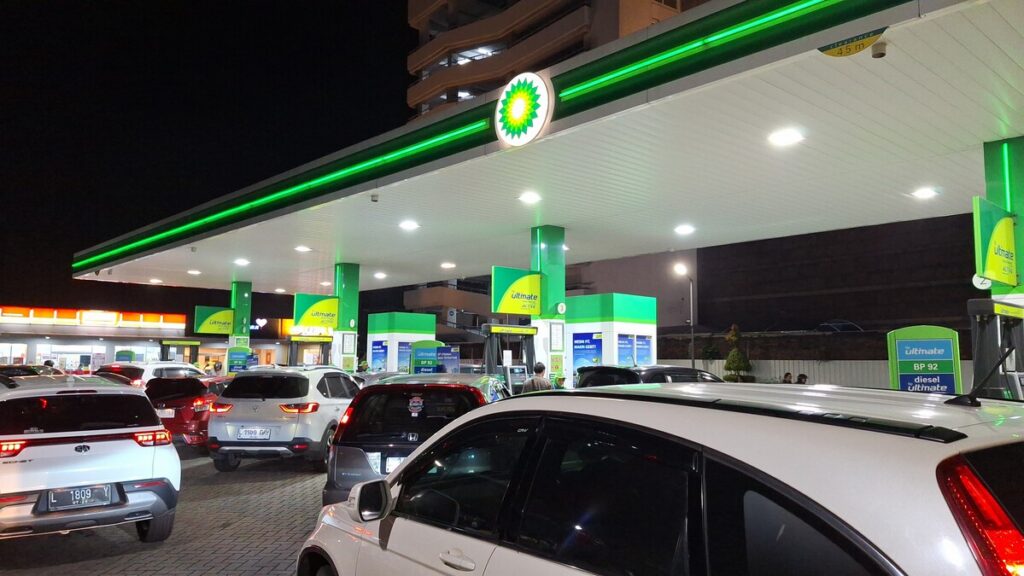
French motorists cross into Spain to take advantage of cheaper fuel Credit: Shutterstock/William's photo
Petrol stations in Irun and La Jonquera are experiencing record gridlock this Sunday, April 5, 2026, as French motorists cross the border to save up to 64 cents per litre. The surge follows the entry into force of Spain’s Royal Decree-Law 7/2026, which has slashed fuel VAT to 10%, keeping prices at approximately €1.56 for petrol. In contrast, French drivers face €2.20 per litre after the removal of state subsidies and new energy taxes.
For expats and residents, the immediate consequence is “kilometre-long” queues and local supply pressure, as French “fuel tourists” arrive with multiple jerry cans to capitalize on the widest price divide in Western Europe.
Why the queues are getting longer
The reason behind this surge is straightforward but powerful. Fuel prices in Spain are currently significantly lower than in France, mainly due to differences in taxation and pricing policies. For drivers crossing the border, the savings can be substantial enough to justify the trip, even with waiting times. Reports from Diario Vasco describe scenes of drivers arriving not just to fill their tanks, but also carrying multiple containers to maximise the benefit. This behaviour has turned routine refuelling into what locals are increasingly calling “fuel tourism”. The effect is particularly visible in border areas where petrol stations are easily accessible from France. These locations have effectively become magnets for cross-border traffic, with foreign licence plates dominating forecourts throughout the day.
Many in Spain are asking: is France doing anything about fuel prices?
This is an important question behind the situation, and the answer is more complex than many expect. The Government of France is taking action, but not in the way drivers might hope. Instead of cutting fuel taxes or introducing broad subsidies, France is focusing on targeted and lower-cost measures.
Recent plans include tighter monitoring of petrol stations, with hundreds of inspections carried out to prevent price manipulation and overcharging. Authorities have also considered capping profit margins at fuel stations and coordinating the release of strategic oil reserves to stabilise supply.
At the same time, financial support is being directed only at specific sectors most affected by rising costs, such as transport, agriculture, and fishing, rather than all drivers. What is notably missing is what many drivers are expecting: a direct price cut at the pump.
France has largely ruled out major tax reductions or blanket subsidies, mainly due to budget constraints and concerns that such measures would increase inflation without solving supply issues. This explains why the price gap with Spain remains wide enough to trigger cross-border trips.
Pressure on roads and daily life
As the queues grow, so do the consequences for those living nearby. Access roads to petrol stations are becoming congested, with traffic backing up for long stretches, especially during peak hours and weekends. For local drivers, even short journeys are taking longer, while some report difficulties simply reaching nearby services.
The situation has also raised safety concerns. Large numbers of vehicles entering and exiting busy roadside areas, combined with drivers transporting fuel in containers, create additional risks that authorities may need to monitor more closely. At the same time, there is a clear economic upside. Petrol stations are seeing a surge in customers, and nearby businesses are benefiting from increased footfall as drivers stop to buy food, drinks, or other essentials while waiting.
A pattern seen across Europe
What is happening at the Spanish-French border is part of a wider trend across Europe, where price differences between countries are shaping driving behaviour. Fuel taxation varies significantly between EU member states, and even relatively small gaps can influence where people choose to refuel.
When those gaps widen, as they have now, the effect becomes visible almost immediately. Drivers are no longer just reacting to convenience, but actively planning routes and trips around fuel prices. In this context, border regions become strategic points rather than simple crossings.
What happens next for drivers in Spain
For residents and regular drivers in Spain, the impact is already clear. Petrol stations near the border are busier than usual, and delays are becoming part of everyday life in those areas. How long this situation continues will depend entirely on the price gap. If fuel prices between France and Spain begin to align again, the queues are likely to disappear just as quickly as they formed. If not, the current pattern could persist, especially as awareness spreads. For now, a routine stop at a petrol station has turned into something much bigger. A cross-border movement driven by price, reshaping traffic flows and daily life, one tank at a time.
Follow Euro Weekly News on Google News
Get breaking news from Spain, travel updates, and expat stories directly on your Google News feed.
Follow on Google NewsSign up for personalised news
Subscribe to our Euro Weekly News alerts to get the latest stories into your inbox!
By signing up, you will create a Euro Weekly News account if you don't already have one. Review our Privacy Policy for more information about our privacy practices.




Dora Urbancsek
Dora Urbancsek is an SEO writer with over eight years of experience producing high-quality, search-optimised journalism and digital content. Based in Spain for more than five years, she covers a wide range of topics concerning Spain and Europe, including current affairs, community stories, culture, and lifestyle. Dora is known for accurate, well-researched reporting that keeps readers informed and engaged.
Comments