Sweden to end permanent residency for asylum seekers from July 2026
By Farah Mokrani • Published: 08 Apr 2026 • 20:06 • 3 minutes read
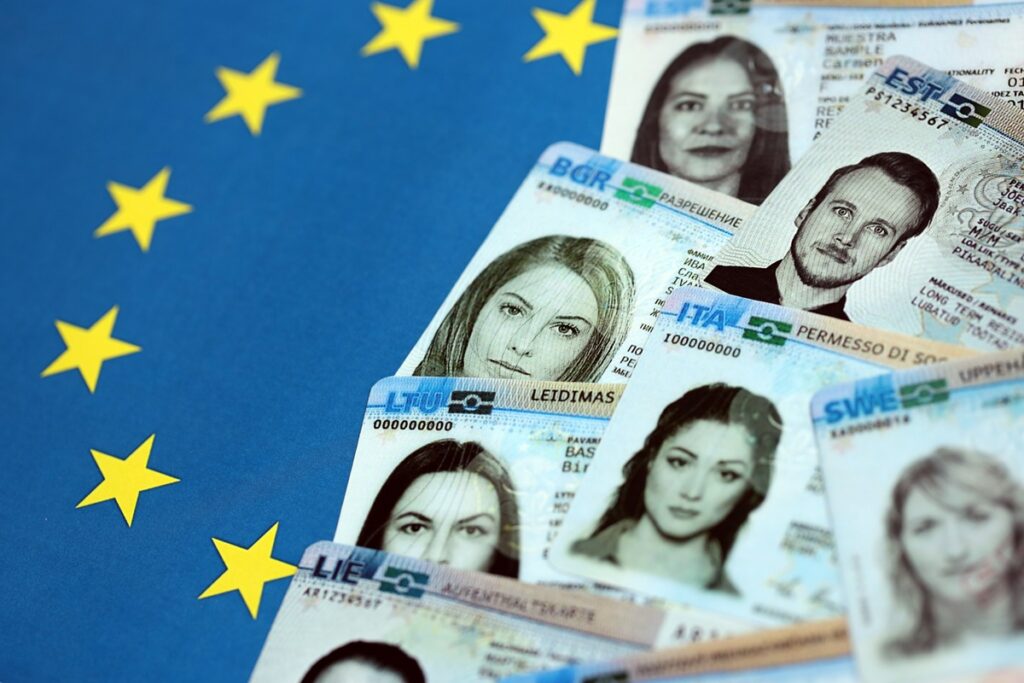
Sweden plans to end permanent residency permits for asylum seekers from 2026 Credit : Mehaniq, shutterstock
Sweden is set to change its immigration rules in a way that will affect how refugees and protected individuals settle in the country. From 12 July 2026, asylum seekers will no longer be able to obtain permanent residency. Instead, temporary residence permits will become the standard, removing the current path that allows many to stay indefinitely after a few years.
The proposal is part of a broader shift in Sweden’s migration policy. For people arriving in the country seeking protection, it means the idea of building a long term future with permanent status may no longer apply in the same way.
What will change for asylum seekers in Sweden
Under the current system, most people granted asylum or another form of protection receive a temporary residence permit first. After a set period, they can apply for permanent residency, which allows them to live and work in Sweden without time limits.
That second step is what the government now wants to remove.
If the new rules come into force, temporary permits will no longer lead to permanent residency. Instead, people will remain on renewable permits, meaning their right to stay in the country will need to be reassessed over time.
The proposal applies to several groups. It includes recognised refugees, individuals granted alternative protection, people resettled in Sweden, and certain humanitarian cases. It also covers some family reunification situations.
In practice, this means that even after living in Sweden for several years, individuals may not be able to secure a permanent legal status.
Why Sweden is moving away from permanent permits
The government has made it clear that the aim is to create a more restrictive and controlled immigration system. Migration has become a key issue in Sweden in recent years, with ongoing debates about integration, resources and long term population growth.
By limiting access to permanent residency, authorities are looking to reduce what has been seen as a relatively open path to long term settlement.
Supporters of the reform say it brings Sweden closer to other European countries that already operate stricter systems. They argue that temporary permits allow the situation of each individual to be reviewed regularly.
However, the change has also raised concerns. Critics say that removing the possibility of permanent residency could make it harder for people to fully integrate. Without long term security, decisions about work, housing and family life can become more uncertain.
What permanent residency currently offers
Permanent residency in Sweden, known as Permanent uppehållstillstånd, gives people the right to live and work in the country without a time limit.
Although the residence card linked to the permit needs to be renewed every three years, the status itself does not expire. For many, it represents stability after years of uncertainty.
It also makes everyday life easier. People with permanent residency often find it simpler to secure long term employment, sign rental contracts or plan for the future.
Removing access to this status changes that picture. Instead of moving towards a permanent situation, individuals would remain on temporary permits, even after spending years in Sweden.
What this could mean in the long run
The change is expected to take effect in July 2026, but its impact will be felt over time.
For new arrivals, the rules will be clear from the start. Temporary residence will be the only option, with no automatic route to permanent settlement. For those already in the system, the situation may depend on how the law is applied and whether transitional measures are introduced.
More broadly, the reform reflects a shift in how Sweden sees long term immigration. The focus is moving away from permanent settlement as a likely outcome and towards a system where residence remains conditional.
For the people affected, the difference is significant. Living in a country on a temporary permit is not the same as knowing you can stay indefinitely.
At the same time, the change highlights how migration policies across Europe continue to evolve. Countries are adjusting their systems in response to political, social and economic pressures.
For now, what is clear is that Sweden is preparing to take a different approach. From 2026, permanent residency will no longer be part of the standard path for asylum seekers, marking a notable shift in the country’s immigration framework.
Sign up for personalised news
Subscribe to our Euro Weekly News alerts to get the latest stories into your inbox!
By signing up, you will create a Euro Weekly News account if you don't already have one. Review our Privacy Policy for more information about our privacy practices.





Farah Mokrani
Farah is a journalist and content writer with over a decade of experience in both digital and print media. Originally from Tunisia and now based in Spain, she has covered current affairs, investigative reports, and long-form features for a range of international publications. At Euro Weekly News, Farah brings a global perspective to her reporting, contributing news and analysis informed by her editorial background and passion for clear, accurate storytelling.
Comments