Spain approves migrant regularisation for 500,000 people : What it means from now
By Farah Mokrani • Updated: 14 Apr 2026 • 18:23 • 2 minutes read
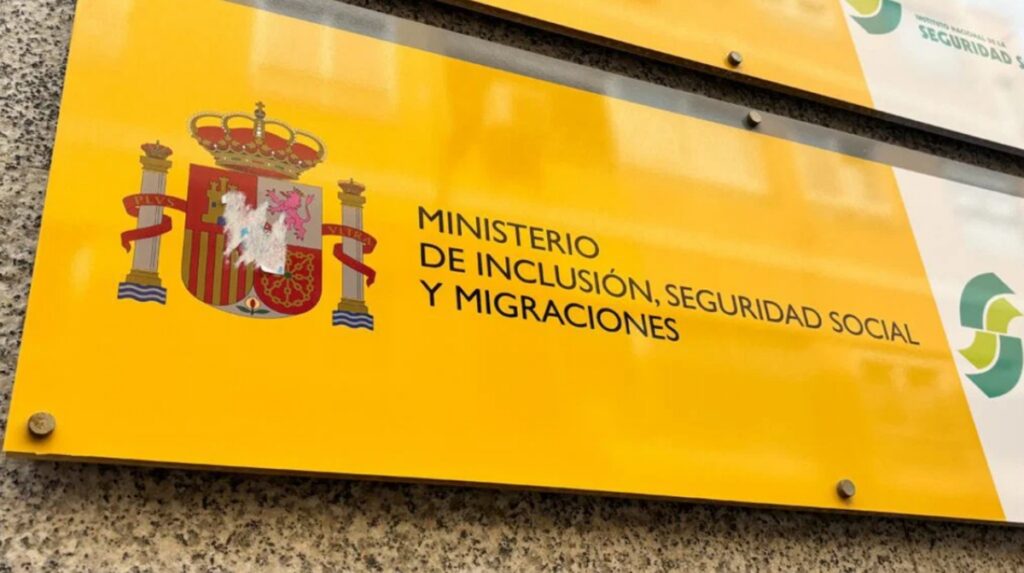
Spain’s Ministry of Migration announces new migrant regularisation plan Credit : Civil - Shutterstock.com
Spain has approved a major reform that could change the lives of around 500,000 undocumented migrants, granting them access to legal residence and work permits. The measure, signed off by the government this Tuesday, April 14, is being described as one of the most significant social policies of the current term.
The process is set to begin within days, and for many families already living in Spain, it could mark a turning point, offering legal stability after years of uncertainty.
Who qualifies under Spain’s new migrant regularisation plan
The new decree introduces an extraordinary regularisation process aimed at people currently living in Spain without legal status. Those who meet the requirements will be able to apply for a residence and work permit valid for one year, with the option to move into longer term legal pathways afterwards.
Successful applicants will also receive a Social Security number and access to public healthcare, allowing them to fully participate in the system.
According to the government, the measure is designed to reflect reality on the ground. Many of those affected are already part of Spanish society, working informally, raising children and contributing to local communities.
Applications will open online from April 16, shortly after the decree is published in the official state bulletin. In person applications will follow a few days later.
Government defends move as ‘recognising reality’
Ministers have framed the reform as both a practical and social decision. Speaking after the cabinet meeting, officials stressed that the plan has been developed with legal backing and support from various studies and organisations.
They argue that regularising undocumented migrants will improve integration, strengthen the labour market and reduce informal employment.
Prime Minister Pedro Sánchez also addressed the public directly, saying the measure is about recognising people who are already part of everyday life in Spain. In his view, it is a step towards normalising a situation that has existed for years.
The government insists that the process has been carefully planned to avoid overwhelming public services, with additional resources expected to handle the number of applications.
Political backlash and concerns over impact
The decision has not been welcomed by everyone. The opposition has already announced plans to challenge the measure through legal and parliamentary channels.
Critics argue that a large scale regularisation could place pressure on public services and create uncertainty around how many people will ultimately apply.
There are also concerns about the broader message it sends. Some political figures believe that such measures could encourage irregular migration, although the government rejects this argument.
Despite the criticism, the reform has strong support from civil society groups. The proposal was originally pushed forward through a citizen led initiative backed by more than 600,000 signatures, reflecting years of campaigning.
A turning point for thousands already living in Spain
For those directly affected, the focus is less on politics and more on what happens next. Many have been living in Spain for years without legal recognition, often working in unstable conditions.
This new pathway offers a chance to regularise their situation, access formal employment and build a more secure future.
While the long term impact will take time to assess, the immediate effect is clear. From April, hundreds of thousands of people will have the opportunity to step out of the shadows and into the formal system.
For Spain, it is a decision that touches on migration, labour and social policy all at once. And for many families, it is simply about being recognised as part of the country they already call home.
Sign up for personalised news
Subscribe to our Euro Weekly News alerts to get the latest stories into your inbox!
By signing up, you will create a Euro Weekly News account if you don't already have one. Review our Privacy Policy for more information about our privacy practices.





Farah Mokrani
Farah is a journalist and content writer with over a decade of experience in both digital and print media. Originally from Tunisia and now based in Spain, she has covered current affairs, investigative reports, and long-form features for a range of international publications. At Euro Weekly News, Farah brings a global perspective to her reporting, contributing news and analysis informed by her editorial background and passion for clear, accurate storytelling.
Comments