New AI speed camera can spot drivers on phones, seatbelt offences and more
By Farah Mokrani • Published: 19 Apr 2026 • 19:26 • 3 minutes read
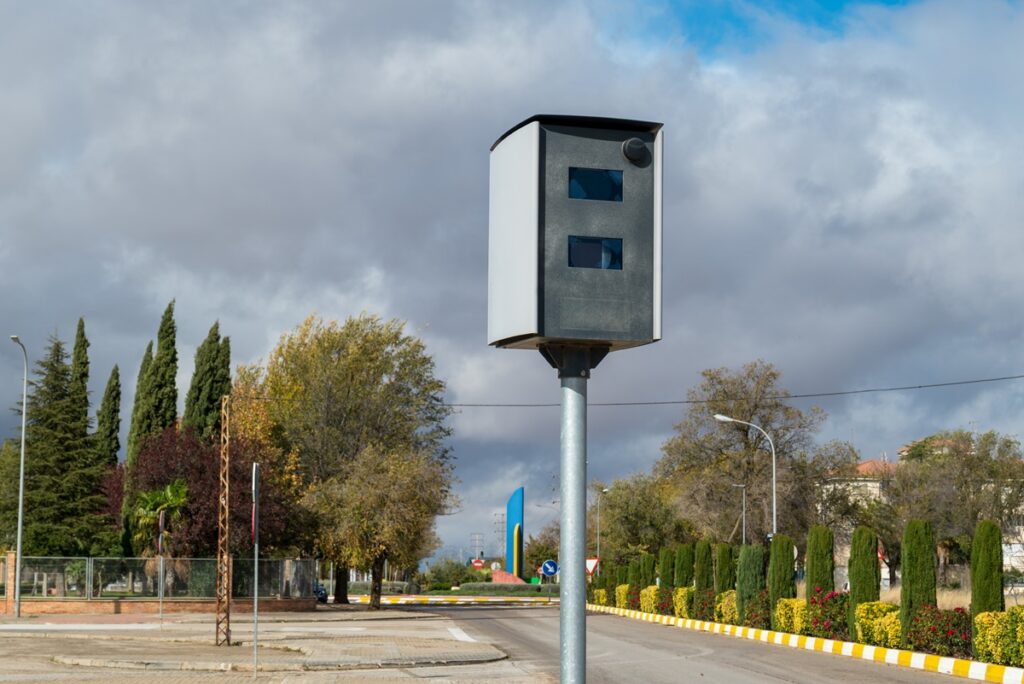
New AI cameras could detect far more than speeding offences Credit : Lars Ove Jonsson, Shutterstock
Drivers are being warned that a new generation of traffic camera could change the way road offences are detected. A new AI powered speed camera system is being tested in the UK and is designed to identify much more than speeding. It can reportedly detect drivers using a mobile phone, people not wearing seatbelts, red light offences and other behaviour that may put road users at risk.
For motorists in Spain and across Europe, the development is attracting attention because road safety technology often spreads quickly once trials prove successful.
Traditional speed cameras usually focus on one thing. This new system is trying to watch almost everything happening around a vehicle.
How the new AI camera works
The device, known as Reedspeed Rentio, combines artificial intelligence with advanced imaging technology.
Instead of checking only vehicle speed, it analyses what is happening across several lanes at once. It can reportedly capture high resolution images in difficult weather and low light, allowing authorities to review offences more clearly.
That means the system may be able to detect if a driver is holding a phone, if front seat occupants are not wearing seatbelts, or if a vehicle has crossed a red light.
The technology can also read number plates in real time, helping officers identify vehicles more quickly.
For police and traffic agencies, that could save time and improve enforcement. For drivers, it means there may be fewer blind spots on the road.
Why motorists are paying attention
Many people are used to seeing cameras linked to speeding fines. This feels different because it widens the net.
A driver who slows down near a speed camera but checks messages at the lights could still be detected. Someone who ignores a seatbelt on a short local journey may also come under scrutiny.
That is why the technology is generating strong reactions.
Supporters say it could reduce dangerous behaviour and encourage better habits behind the wheel. Critics worry about privacy and the growing use of surveillance tools in everyday life.
Both arguments are likely to continue as systems like this become more common.
Where the cameras are being used
According to reports, more than 100 of these cameras have been installed in parts of the UK as part of ongoing testing.
They are linked to official databases that can help check whether a vehicle is insured, taxed and properly registered.
Not all units are currently issuing fines, as some are being used to assess performance and gather evidence before wider rollout decisions are made.
That trial phase matters.
Authorities often test new enforcement tools before introducing full penalties.
So while drivers may not be fined everywhere today, the direction of travel is clear: smarter traffic monitoring is advancing.
Could Spain see similar cameras?
Spain already uses an extensive road enforcement network, including fixed speed cameras, average speed systems and cameras that detect mobile phone use or seatbelt offences in some locations.
The DGT has repeatedly focused on distraction and failure to wear seatbelts as major safety risks.
Because of that, many motorists will wonder whether AI systems like this could eventually appear on Spanish roads.
There is no confirmed nationwide rollout of this specific UK model in Spain at present, but the broader trend towards automated enforcement is already visible across Europe.
Once one country shows measurable safety benefits, others often take notice.
The privacy debate
Not everyone is comfortable with cameras that can examine the inside of a vehicle.
That is where much of the criticism lies.
Some campaigners argue that monitoring drivers and passengers in such detail risks going too far. They question how images are stored, who can access them, and how long data is retained.
Supporters respond that the aim is simple: prevent deaths and serious injuries.
Mobile phone distraction, speeding and failing to wear a seatbelt remain major factors in crashes across Europe. If better technology changes behaviour, they argue the public benefit is obvious.
It is a debate that is unlikely to disappear.
What drivers should take from this now
Whether or not these exact cameras reach Spain soon, the message for motorists is already clear.
Use your phone while parked legally, not while moving.
Wear your seatbelt every journey.
Respect traffic lights and speed limits.
And do not assume older habits can still go unnoticed.
Road enforcement is becoming faster, smarter and more detailed.
For drivers who follow the rules, that may not change much. For everyone else, the next camera you pass could be seeing far more than you think.
Follow Euro Weekly News on Google News
Get breaking news from Spain, travel updates, and expat stories directly on your Google News feed.
Follow on Google NewsSign up for personalised news
Subscribe to our Euro Weekly News alerts to get the latest stories into your inbox!
By signing up, you will create a Euro Weekly News account if you don't already have one. Review our Privacy Policy for more information about our privacy practices.





Farah Mokrani
Farah is a journalist and content writer with over a decade of experience in both digital and print media. Originally from Tunisia and now based in Spain, she has covered current affairs, investigative reports, and long-form features for a range of international publications. At Euro Weekly News, Farah brings a global perspective to her reporting, contributing news and analysis informed by her editorial background and passion for clear, accurate storytelling.
Comments