Where the sun in Spain doesn’t shine: Bull gores famous bullfighter in prestigious Sevilla event
By Adam Woodward • Published: 20 Apr 2026 • 23:12 • 2 minutes read
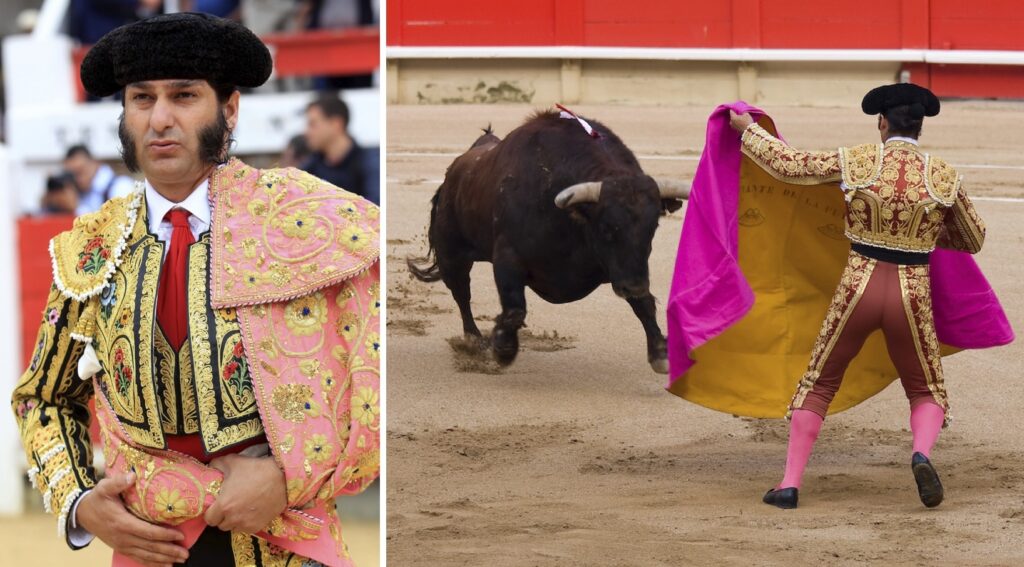
Morante de la Puebla suffers the horn. Credit: Natursports - Shutterstock
Shock swept through the Real Maestranza in Sevilla on Monday, April 20, during the much loved Feria de Abril when veteran torero Morante de la Puebla received a severe horn wound from his fourth bull.
Crowds had packed the historic venue for the Monday event featuring bulls from García Jiménez. Morante attempted to control the animal with his cape but lost his footing. The bull charged and struck him in a highly sensitive area just below the left buttock. Medical teams rushed the injured fighter to the ring’s infirmary for immediate surgery.
Doctors are said to have later detailed the injury as a 10 cm wound affecting anal sphincter muscles and perforating the rectum by an eye-watering 1.5 cm. Surgeons performed wound cleaning and rectal wall repair and placed drainage. Borja Jiménez took over the bull’s handling while concern spread among spectators outside the arena. Initial reports suggested the prognosis remained guarded though not immediately life-threatening.
Toreros face frequent risks in the ring
Bullfighters encounter horn wounds on a regular basis. Studies of Spanish events over eight years recorded more than 1,200 such injuries over 13,500 occasions, producing an average accident rate near 9 per cent. Matadors absorb most of these incidents, often in the thighs or groin. While deaths stay rare thanks to modern medicine, serious cases still demand urgent vascular or specialist care.
Thousands of bulls die yearly in bullfights
Estimates indicate around 35,000 bulls lose their lives in Spanish rings each season, with global figures reaching up to 180,000 when including related events. Every traditional corrida ends in the animal’s death after a structured sequence of lances and passes. Critics describe the practice as inherently cruel, pointing to the prolonged suffering before the final sword thrust.
Bullfighting loses ground with the Spanish public
Attendance has dropped sharply over recent decades. Figures show a 75 per cent fall in spectators at bullfighting events across 25 years, from nearly 9 million in the mid-2000s to projections near 2 million today. Only about 2 per cent of Spaniards attend regularly, with younger age groups showing even lower interest in many polls. Wider surveys reveal opposition levels around 77 per cent among the population.
Fewer events take place overall, and many smaller rings have closed. Public funding continues through subsidies and youth vouchers, yet these measures have not reversed the long-term slide in popularity. Industry voices promote school programmes and media exposure to attract new followers and preserve the tradition.
Many observers view such efforts as uphill battles against changing values that question animal use in entertainment. The Sevilla incident serves as a nasty reminder of the dangers involved while pouring petrol onto the ongoing debate about whether bullfighting belongs in modern Spain.
Sign up for personalised news
Subscribe to our Euro Weekly News alerts to get the latest stories into your inbox!
By signing up, you will create a Euro Weekly News account if you don't already have one. Review our Privacy Policy for more information about our privacy practices.



Adam Woodward
Adam is a writer who has lived in Spain for over 25 years. With a background in English teaching and a passion for music, food, and the arts, he brings a rich personal perspective to his work at Euro Weekly News. As a father of three with deep roots in Spanish life, Adam writes engaging stories that explore culture, lifestyle, and the everyday experiences that shape communities across Spain.
Comments