New study says TikTok and Instagram may be making users feel less happy
By Farah Mokrani • Published: 20 Apr 2026 • 21:34 • 3 minutes read
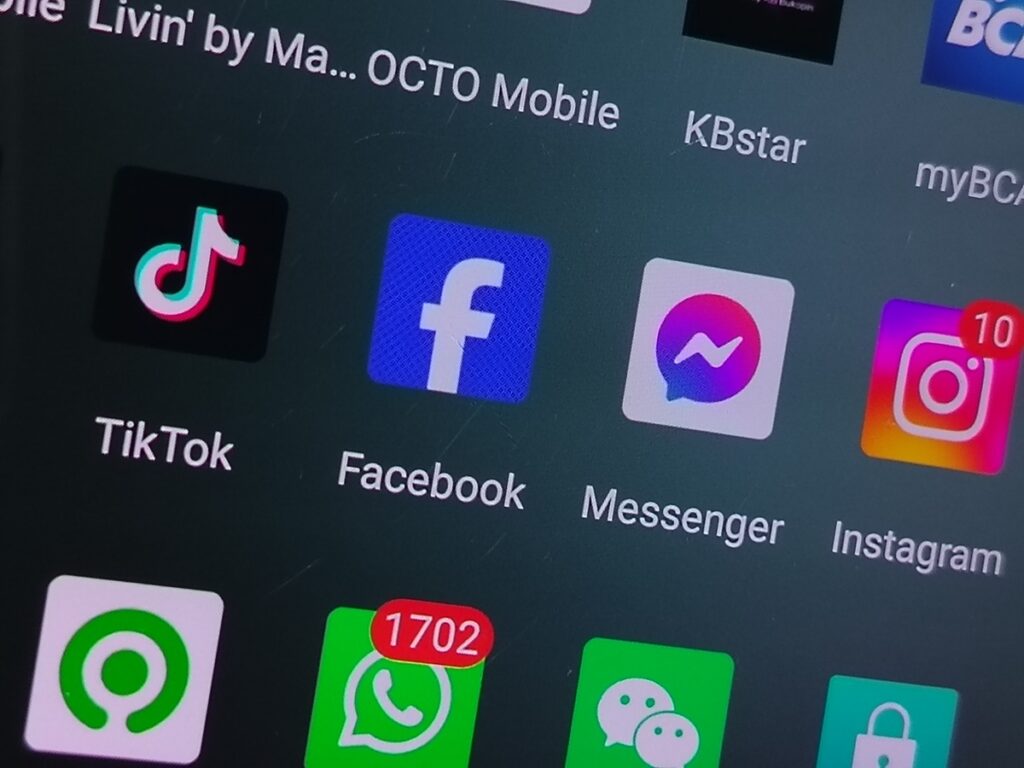
New study compares social media apps and happiness levels Credit : Bbeiii, Shutterstock
A new international study has reignited the debate around social media and mental health, claiming that TikTok and Instagram may leave users feeling less happy than other popular platforms. Researchers say not all apps affect people in the same way, and platforms built around endless recommended content may have a stronger negative effect than services mainly used to speak with friends and family.
That finding will sound familiar to many people who close an app feeling oddly drained, irritated or dissatisfied, even after only a short scroll.
For years, social media has often been discussed as one big problem. This research suggests the picture may be more complicated.
Why some apps may feel worse than others
Most people use several apps without thinking too much about how different they are.
You might use WhatsApp to arrange dinner, Facebook to check in on relatives, Instagram to browse photos and TikTok to watch short videos.
They all sit on the same phone, but they do not work in the same way.
According to the study, some platforms are built mainly around personal connection. Others are driven more heavily by algorithms that constantly feed users content designed to hold attention.
That difference matters.
If you open WhatsApp, you usually know why you are there. You want to message someone. If you open TikTok or Instagram, you may simply start scrolling and let the platform decide what comes next.
That creates a very different experience.
The endless scroll effect
Many users know the pattern well. You open the app for five minutes, then suddenly half an hour has gone by.
One video leads to another. One reel becomes ten. One post turns into an endless stream of people travelling, buying homes, getting fit, succeeding in business or living lives that look polished and exciting.
Even when users know those images are selective or staged, the emotional effect can still land.
Your own life may suddenly feel dull by comparison.
That does not always happen dramatically. Often it is subtle.
You close the app and feel flat without quite knowing why.
Researchers say repeated exposure to this kind of content may help explain why some users report lower mood, more fatigue and less satisfaction after spending time on certain platforms.
Why comparison is powerful
Humans compare naturally. Social media gives that instinct a constant supply of material.
Instagram can be full of beauty, travel and luxury. TikTok can be full of talent, trends and people who seem endlessly confident. Even ordinary users can look extraordinary after filters, editing and careful timing.
The result is that viewers compare their behind the scenes reality with someone else’s highlight reel.
That can be rough on self esteem.
Teenagers may compare appearance or popularity.
Adults may compare careers, relationships, money or parenting.
The pressure changes, but the mechanism is similar.
Why messaging apps may feel different
The study suggests platforms focused more on direct communication may not carry the same emotional weight.
When people use WhatsApp or Messenger, they are often talking to people they already know.
There is conversation, support, jokes, family updates and practical contact. That tends to feel more grounded than passively consuming content from strangers. Many people notice the difference instinctively.
After chatting with a friend, they feel connected. After scrolling for an hour, they may feel mentally tired. That does not mean messaging apps are perfect, only that the experience can be very different.
It is not only a young person problem
Teenagers are often mentioned first when social media harm is discussed, but adults are deeply involved too.
Plenty of grown adults lose time to scrolling, check likes too often or feel inadequate after seeing the success of others online.
No age group is fully protected from comparison or compulsive habits.
In some cases, adults may hide it better.
What users can do without deleting everything
The answer is not necessarily throwing your phone in a drawer. For many people, social media is useful, entertaining and part of daily life.
The smarter move may be paying attention to how each app affects you. If one platform regularly leaves you tense, envious or low, that matters.
Reducing time there, muting accounts that trigger comparison, switching off notifications or taking breaks can make a real difference.
Replacing some scrolling time with actual conversation often helps too.
A ten minute call with a friend can feel better than an hour of silent browsing.
What the study really highlights
The key message is not that every app is equally harmful. It is that design shapes behaviour.
Some platforms are built to keep users engaged for as long as possible. That may come with emotional side effects many people only notice later.
For users in Spain, the UK and beyond, the real question may no longer be whether social media is good or bad.
It may be which apps leave you feeling better once you put the phone down.
Sign up for personalised news
Subscribe to our Euro Weekly News alerts to get the latest stories into your inbox!
By signing up, you will create a Euro Weekly News account if you don't already have one. Review our Privacy Policy for more information about our privacy practices.





Farah Mokrani
Farah is a journalist and content writer with over a decade of experience in both digital and print media. Originally from Tunisia and now based in Spain, she has covered current affairs, investigative reports, and long-form features for a range of international publications. At Euro Weekly News, Farah brings a global perspective to her reporting, contributing news and analysis informed by her editorial background and passion for clear, accurate storytelling.
Comments