Spain to introduce bottle return-for-money system from November 2026
By Molly Grace • Published: 21 Apr 2026 • 16:29 • 4 minutes read
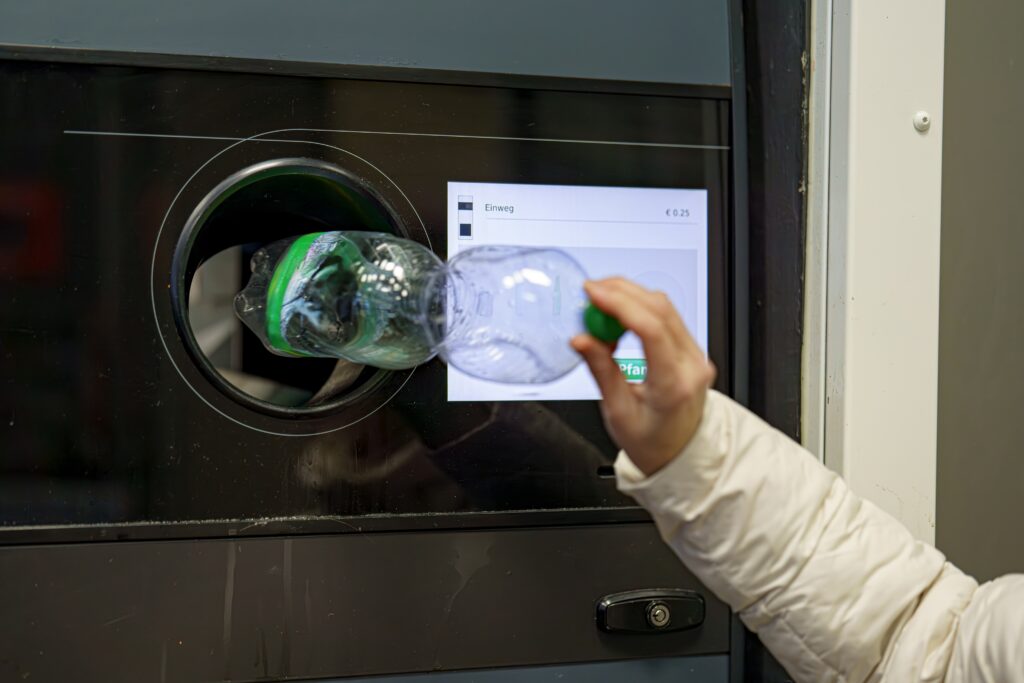
The rollout has faced administrative and logistical challenges during planning. Photo credit: Romberi/Shutterstock
Spain is preparing to introduce a national deposit-return scheme for selected beverage containers from November this year, requiring consumers to pay a small refundable charge when purchasing drinks in eligible bottles, cans and other single-use packaging. The system is designed so that the payment is returned once the empty container is taken back to an authorised collection point or participating retailer.
The planned start date, reported in Spanish media as November 22, is linked to legal obligations under national waste legislation aligned with European Union recycling targets. The scheme forms part of Spain’s response to shortfalls in collection rates for single-use plastic bottles and wider pressure to improve packaging recycling performance.
Legal trigger behind the change
The introduction of the system follows Spain’s failure to meet EU recycling targets for plastic drinks bottles in 2023. Under Spanish environmental law, missing those targets triggers a requirement to establish a deposit-return scheme within a set implementation period.
The measure is intended to increase return rates for beverage containers and reduce litter, particularly plastic waste not captured by standard household recycling systems. The scheme will apply to containers included under the final regulatory scope, expected to cover commonly sold drinks packaging.
How the system will work
Under the proposed model, consumers will pay an additional charge at the point of purchase. The exact amount has not yet been finalised, although similar schemes in Europe typically apply a small fixed fee per container.
Refunds will be issued when empty bottles, cans or eligible packaging are returned to designated collection points. These are expected to include supermarkets and participating retailers. The aim is to create a direct financial incentive that increases return rates and reduces waste entering general refuse streams.
The system will operate alongside Spain’s existing municipal recycling collection rather than replacing it, adding a separate return stream for specific beverage containers.
Scope and products affected
The deposit-return scheme will apply to single-use beverage containers included in the final regulation. This includes drinks sold widely in supermarkets, convenience stores and hospitality outlets.
The exact list of materials has not yet been fully confirmed, but the scheme is expected to focus primarily on plastic bottles and aluminium cans. Glass containers may also be included depending on final regulatory definitions.
Industry and implementation challenges
The rollout has faced administrative and logistical challenges during planning. Spanish media reports highlight coordination issues between government bodies, industry stakeholders and retailers as implementation approaches.
Retailers will be responsible for collecting returned containers and processing refunds. This will require operational adjustments, including storage space for returned items and systems to handle deposits at point of sale and return.
Producers and distributors are also expected to contribute to funding and administration under extended producer responsibility rules already used in European waste policy.
European context
Deposit-return systems are already in place in several European countries, including Germany, the Netherlands and Nordic states. These systems are generally associated with higher collection rates for beverage containers compared with reliance on curbside recycling alone.
The European Union has set binding targets for member states to improve collection rates for plastic bottles under its single-use plastics directive. Spain’s planned scheme is part of efforts to meet these requirements and improve compliance with EU packaging rules.
Countries already using deposit-return systems and their outcomes
Several European countries operate deposit-return systems in which consumers pay a refundable charge at purchase and receive it back when containers are returned.
Germany runs one of the most established systems, covering most plastic bottles and aluminium cans nationwide, with return rates consistently reported above 90%.
Norway operates a long-standing model funded through consumer deposits and producer contributions, also achieving return rates above 90% for eligible containers.
Sweden introduced its system in 1984 for aluminium cans and expanded it to plastic bottles in 1994. It is operated nationally and maintains consistently high return rates.
Finland runs a similar system integrated into retail outlets, achieving strong participation for both bottles and cans.
The Netherlands expanded its scheme in recent years to include small plastic bottles and later aluminium cans, with return rates rising significantly after expansion.
Ireland launched its system in 2024. Early data shows a rapid increase in returned containers through retail machines and collection points within the first year.
Across these countries, evidence consistently shows deposit-return systems lead to significantly higher collection rates for beverage containers and reductions in litter linked to drinks packaging.
Environmental objective
The main objective of Spain’s scheme is to increase the proportion of beverage containers collected for recycling. By attaching a financial payment to each container, authorities expect to reduce littering and improve material quality for recycling processes.
Plastic drinks packaging is a significant contributor to urban and marine waste. Deposit systems are designed to capture these materials before they enter general waste streams or the environment.
Public and consumer impact
For consumers, the immediate effect will be a small additional cost when purchasing drinks in covered packaging. This cost is fully recoverable when containers are returned correctly.
The system will require behavioural change, particularly in storing and returning containers instead of disposing of them through household recycling. However, experience from other countries shows return rates typically increase once financial incentives are introduced.
Retailers will need to integrate return systems into existing shop operations, including machines or manual collection points depending on store size and infrastructure.
Timeline and next steps
The planned implementation date of November 2026 leaves a limited period for final regulatory approval, infrastructure development and industry preparation. Key details such as deposit levels, eligible containers and enforcement mechanisms are expected to be finalised ahead of launch.
Once introduced, the system will represent a major change in Spain’s waste management approach for beverage packaging, shifting towards a return-based model designed to improve recycling outcomes and reduce environmental leakage.
Sign up for personalised news
Subscribe to our Euro Weekly News alerts to get the latest stories into your inbox!
By signing up, you will create a Euro Weekly News account if you don't already have one. Review our Privacy Policy for more information about our privacy practices.



Molly Grace
Molly is a British journalist and author who has lived in Spain for over 25 years. With a background in animal welfare, equestrian science, and veterinary nursing, she brings curiosity, humour, and a sharp investigative eye to her work. At Euro Weekly News, Molly explores the intersections of nature, culture, and community - drawing on her deep local knowledge and passion for stories that reflect life in Spain from the ground up.
Comments