British holidaymakers travelling to Vigo could soon have to pay a new daily tourist tax, as local authorities move closer to approving the charge. The proposed levy will affect anyone staying overnight in the increasingly popular coastal city, with costs varying depending on accommodation type. The change comes as Vigo gains traction with UK travellers – and could make breaks to the once “hidden gem” slightly more expensive.
Vigo plans new tourist tax
Officials in Vigo are preparing to introduce a per-night tourist tax across all types of accommodation. While the proposal still requires final approval, current plans suggest:
- Up to €2 per person, per night for higher-end hotels
- Around €1.60 for mid-range hotels and tourist accommodation
- Approximately €1.20 for budget hotels and guesthouses
- Around €0.80 for hostels, campsites and rural stays
Cruise passengers arriving into the port would also be charged €1.20.
The rollout is expected to begin gradually from October. Initially, the tax would apply only to the first two nights of a stay, before extending to a maximum of five nights from July 2027.
The policy is being driven by Abel Caballero, who says it will help redistribute tourism income and support local services.
Why Vigo is introducing a tax as visitor numbers surge
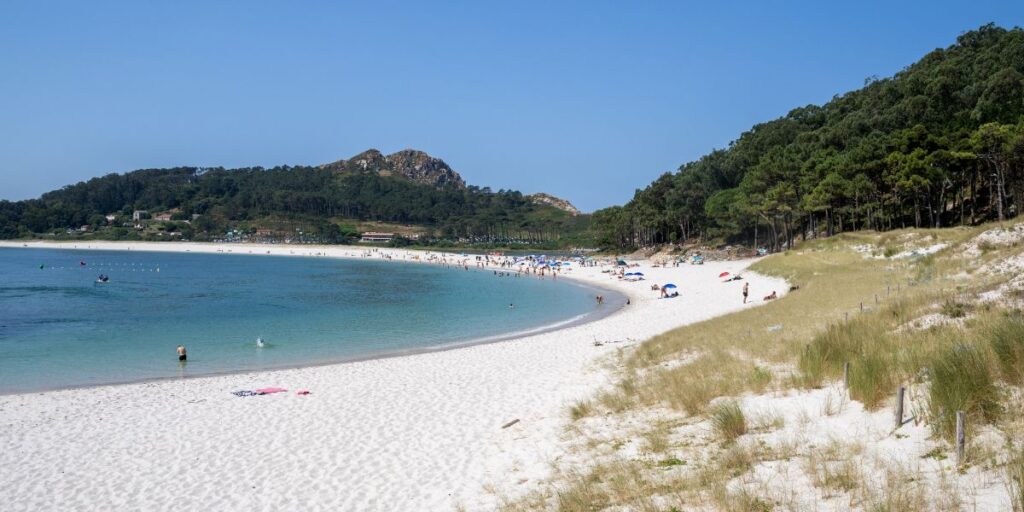
Once referred to as ‘Spain’s best-kept secret’, the move reflects Vigo’s growing popularity – now, during peak travel periods and cruise ship arrivals, thousands of visitors can flood the city within hours. Notably, Vigo is also right near Rodas beach – a spot that Guardian once named as ‘the best beach in the world’.
Local authorities say the tax is designed to ease pressure on infrastructure, protect the environment and ensure tourism benefits are shared more widely across the city.
Similar measures have already been introduced in nearby Santiago de Compostela and A Coruña, signalling a wider regional shift.
How the new charge could affect your Spain holiday
For travellers, the impact is relatively small in cost but significant in what it represents.
Vigo has built a reputation as an affordable alternative to Spain’s busier hotspots. The introduction of a tourist tax suggests it is entering a new phase, as demand increases and authorities move to manage visitor numbers more carefully.
The charge will be added on top of accommodation costs, meaning holiday budgets may need a slight adjustment.
What UK tourists should do before travelling to Vigo
If you’re planning a trip to Vigo:
- Check whether your hotel includes the tax or if it’s payable on arrival
- Allow for extra costs in your overall travel budget
- Stay updated on when the tax officially comes into force
- Look out for exemptions, which may apply to children, disabled travellers or medical visits
Being aware in advance will help avoid unexpected charges.
Vigo joins growing list of Spanish destinations charging tourists
Tourist taxes are becoming more common across Spain, particularly in high-demand destinations.
In cities like Barcelona, combined regional and city taxes can reach significantly higher amounts per night. Vigo’s proposed rates remain relatively low, but the direction of travel is clear.
The city’s rising profile – boosted by its coastline and proximity to Rodas Beach – has made it a target for sustainable tourism measures.
Key questions travellers are asking about the Vigo tax
Will everyone have to pay?
Most overnight visitors will be included, although some exemptions are expected.
When will it start?
The tax is expected to roll out from October, pending final approval.
How much is it?
Between €0.80 and €2 per person, per night depending on accommodation.
How many nights does it apply to?
Initially the first two nights, rising to up to five nights from 2027.
When will Vigo introduce the tax?
The proposal still needs final sign-off from local authorities, but statements from officials suggest it is likely to be approved.
If it goes ahead, Vigo will join a growing number of Spanish cities introducing tourist taxes, marking a broader shift in how the country manages its booming travel industry.





Lottie Verrier
Lottie Verrier is a journalist and digital media specialist based in Mallorca. After a decade in London media, including a role as Deputy Editor for the MailOnline’s eCommerce division, she now combines her editorial expertise with a passion for the island to create engaging content that celebrates the best of life in Spain. Instagram @lottieinmallorca
Comments