Gibraltar sees surge in residency applications after border agreement
By Molly Grace • Published: 23 Apr 2026 • 22:14 • 3 minutes read
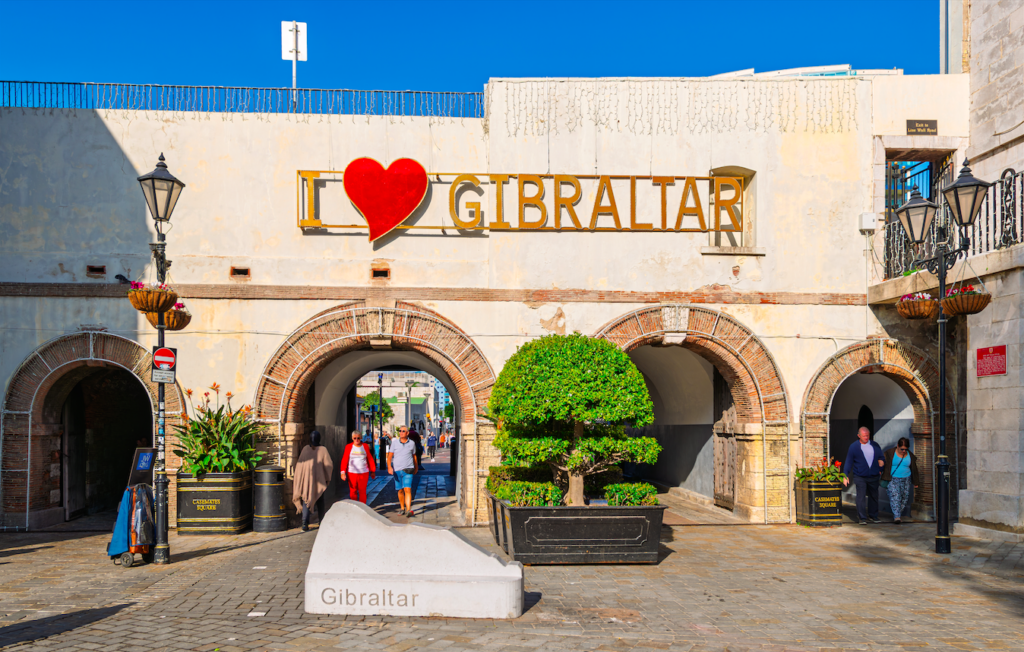
The increase in applications has been linked to individuals seeking clarity over their legal status. Photo credit Kirk Fisher/shutterstock
Gibraltar has recorded a significant increase in residency applications following the political agreement linked to the future removal of border controls at the land border crossing between Gibraltar and Spain commonly known as La Verja.
The rise in applications followed progress in negotiations between the United Kingdom, Spain and the European Union over Gibraltar’s post-Brexit status. The proposed framework includes plans to ease or remove the current physical border infrastructure separating Gibraltar from Spain.
Authorities in Gibraltar reported a clear increase in demand for residency permits after the announcement, with some reports indicating applications rose to several times normal levels.
Applications rise after border breakthrough
The increase began after negotiators reached an agreement in principle on future border arrangements. The proposal would replace the current system at ”La Verja”, which regulates movement between Gibraltar and the Spanish municipality of La Línea de la Concepción.
Following the announcement, Gibraltar saw a sharp rise in applications from people seeking to establish legal residence in the territory. This included individuals already living or working in the area who had not previously formalised their status. Reports also described growing pressure on administrative services as authorities dealt with a higher than usual number of requests.
Why residency status matters
Residency in Gibraltar can affect access to local services, legal rights and administrative certainty. For people with long-term ties to the territory, formal status can be an important practical step.
Some applicants are believed to be workers or residents seeking clarity ahead of any future border changes. Others may be planning longer-term arrangements linked to employment or family life in the area. The increase suggests that political agreements on border policy can quickly influence personal decisions about where to live and how to organise cross-border life.
La Verja’s role in everyday life
The Spain-Gibraltar border is one of the most important crossing points in the region, used daily by workers, residents and visitors travelling between Gibraltar and southern Spain. Thousands of people depend on smooth movement across the frontier, particularly those who live in Spain and work in Gibraltar. Any change to controls at the border therefore has direct consequences for commuting, business activity and access to services.
For many households in the surrounding area, life already operates across both sides of the border. Housing, employment and family connections are often split between Gibraltar and neighbouring Spanish towns.
Wider post-Brexit negotiations
The discussions over the border treaty form part of wider talks between the United Kingdom, Spain and the European Union on Gibraltar’s future relationship with the bloc after Brexit.
The objective has been to create a stable framework for the movement of people and goods while preserving Gibraltar’s constitutional link to the United Kingdom and maintaining practical cooperation with Spain. The border issue has become one of the most closely watched parts of those negotiations because of its direct impact on everyday life.
Pressure on Gibraltar’s administration
As application numbers increased, Gibraltar’s authorities faced additional demand on the departments responsible for residency processing. While residency applications are a normal part of government administration, the recent rise marked a notable shift from previous patterns. Officials have had to manage the higher workload while continuing routine immigration services.
Any further increase is likely to depend on how quickly the agreed measures are introduced and how the new system works in practice.
Impact on the cross-border region
The area around Gibraltar is closely connected economically and socially. Many people live in Spain while working in Gibraltar, and businesses on both sides depend on regular cross-border movement.
The rise in residency applications reflects how quickly local communities respond when major policy changes are announced. For workers and families, legal status can be closely linked to stability, employment access and long-term planning.
What happens next
Gibraltar continues to process the higher volume of applications while negotiations over the final border framework continue. Further developments will depend on the outcome of talks between the relevant parties and how any future agreement is put into practice.
For now, the increase in residency requests is one of the clearest early signs of how strongly the proposed changes at La Verja are already influencing decisions in the region.
Follow Euro Weekly News on Google News
Get breaking news from Spain, travel updates, and expat stories directly on your Google News feed.
Follow on Google NewsSign up for personalised news
Subscribe to our Euro Weekly News alerts to get the latest stories into your inbox!
By signing up, you will create a Euro Weekly News account if you don't already have one. Review our Privacy Policy for more information about our privacy practices.





Molly Grace
Molly is a British journalist and author who has lived in Spain for over 25 years. With a background in animal welfare, equestrian science, and veterinary nursing, she brings curiosity, humour, and a sharp investigative eye to her work. At Euro Weekly News, Molly explores the intersections of nature, culture, and community - drawing on her deep local knowledge and passion for stories that reflect life in Spain from the ground up.
Comments