Extreme heat this summer could shut Spain’s famous terraces
By Farah Mokrani • Updated: 28 Apr 2026 • 16:51 • 3 minutes read
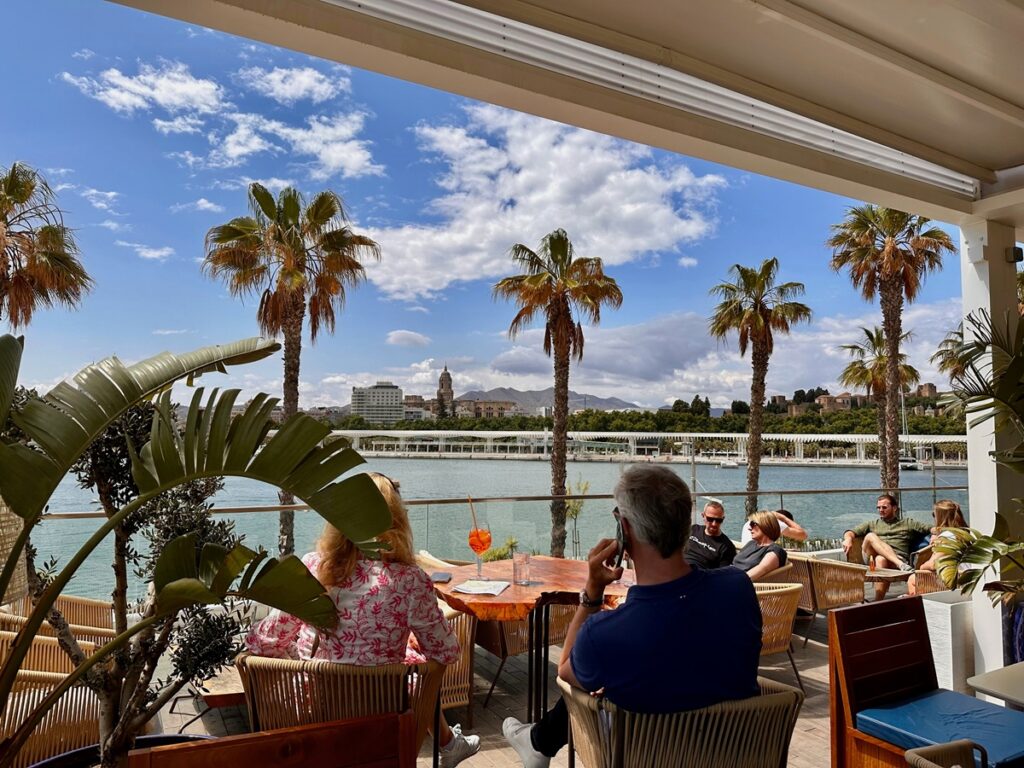
Spain terraces may close during extreme heat under new rules Credit : Carolyne Parent, Shutterstock
People heading for a cold drink on a sunny terrace in Spain this summer may find some outdoor seating suddenly closed during extreme heat alerts. New hospitality sector rules mean bars, cafés and restaurants may need to stop terrace service when temperatures become dangerous for staff working outside.
Indoor areas can remain open, but the terrace itself may have to pause during the most severe weather warnings.
For a country where terrace life is part of everyday culture, that is a noticeable change.
The update comes after unions FeSMC UGT and CCOO Servicios reached an agreement with employer groups Hostelería de España and CEHAT to modify the national labour framework covering hospitality workers.
The aim is to bring workplace rules closer to the reality of modern Spain, where extreme heat, floods and other weather events are becoming harder to ignore.
Why terraces are now part of the heat debate
Anyone who has lived in Spain through July or August knows how intense the heat can become.
In many towns and cities, afternoons can be punishing. Pavements radiate heat, shade becomes valuable and even short walks feel tiring.
Now imagine carrying trays, moving tables, serving meals and staying on your feet for hours in that same heat.
That is why terrace workers have become part of a wider conversation about safety.
Hospitality has long been seen as a sector built around tourism, service and flexible hours. But it is also physically demanding work, often done outdoors during the hottest months of the year.
The revised agreement recognises that weather is no longer a side issue. It can directly affect health and working conditions.
What the new rules mean in practice
The changes bring climate related risks into company prevention plans. That means hospitality businesses are expected to prepare for situations such as:
- Extreme heat
- Flooding
- Heavy snow
- Other serious weather events
When official alerts indicate real danger, employers may need to take protective steps for workers.
Depending on the situation, that could include changing shifts, reducing hours, moving staff indoors or temporarily stopping terrace service.
So yes, a bar may still be serving drinks inside while the terrace outside remains empty. That scenario could become more common during red or orange heat alerts.
The weather warnings involved are linked to notices issued by AEMET, Spain’s national meteorological agency.
What customers may notice this summer
For residents and tourists, the first sign may simply be a terrace that looks available but is closed. Tables may stay stacked and parasols may remain folded.
Staff may explain that outdoor service is paused until temperatures drop later in the day.
Some businesses could also change schedules, opening terraces earlier in the morning, closing during the hottest afternoon hours, then reopening in the evening.
That pattern already exists in some areas, especially inland where heat peaks can be fierce. Now it may spread further.
For holidaymakers used to all day terrace dining, a little flexibility could be needed.
Lunch indoors, dinner outside later on may become the smarter option.
Can businesses avoid closure
In some cases, yes. The agreement points towards prevention rather than automatic shutdowns.
That means venues may install shade systems, cooling fans, misting devices or redesign work patterns so staff spend less time exposed to direct heat.
A well protected terrace with sensible staffing may operate differently from one with no shade and full afternoon sun.
Location also matters. A seafront café with a breeze is not the same as a narrow city square surrounded by hot concrete.
Each business will need to assess conditions rather than follow a one size fits all rule.
Could there be fines
Businesses that ignore health and safety duties face pressure under existing labour rules.
Reports in Spain have suggested that serious breaches involving staff forced to work in dangerous heat without protection could lead to substantial penalties.
That gives employers a clear reason to plan ahead. Waiting until the hottest day of summer is unlikely to be the best moment to think about worker safety.
Why this feels like a bigger shift
Spain’s terrace culture is not under threat. People will still gather for coffee, tapas and late evening drinks. Outdoor life remains one of the country’s biggest attractions.
What is changing is the assumption that business can continue exactly the same way regardless of conditions.
Summers are hotter than many people remember. Heat alerts are more common. Workers across several sectors are asking how long old habits still make sense. Hospitality is now part of that discussion.
What it means for Spain’s summer lifestyle
For customers, the impact may be small inconveniences here and there. For workers, it could mean safer shifts and less exposure during the worst heat. For owners, it may require investment and planning.
And for Spain as a whole, it is another sign that climate adaptation is moving from theory into everyday life.
The terrace is still there. It may just need a break when the mercury climbs too high.
Follow Euro Weekly News on Google News
Get breaking news from Spain, travel updates, and expat stories directly on your Google News feed.
Follow on Google NewsSign up for personalised news
Subscribe to our Euro Weekly News alerts to get the latest stories into your inbox!
By signing up, you will create a Euro Weekly News account if you don't already have one. Review our Privacy Policy for more information about our privacy practices.
Farah Mokrani
Farah is a journalist and content writer with over a decade of experience in both digital and print media. Originally from Tunisia and now based in Spain, she has covered current affairs, investigative reports, and long-form features for a range of international publications. At Euro Weekly News, Farah brings a global perspective to her reporting, contributing news and analysis informed by her editorial background and passion for clear, accurate storytelling.
Comments
GerryJ
27 April 2026 • 19:29It’s a bit vague saying that there may be no table service on terraces, but doesn’t say if you can get a drink inside and take it out yourself
Lee
28 April 2026 • 09:13lockdowns lol lol
Jay
02 May 2026 • 17:54Same as when it rains…. also not supposed to smoke in half the places that allow it. If I want to walk outside with my beer or go and get a drink myself while sitting outside they wont tell me I can’t. Just trying to make a story out of nothing
Bazbias@msn.com
02 May 2026 • 23:43What a stupid rule, if you can’t stand the heat, don’t Gordon for the job. No mention of the poor guys in the kitchen, done both in Portugal, bar service, kitchen.
Nicole
03 May 2026 • 08:24Another option would be to increase the number of rest breaks to reduce fatigue. The result would mean businesses would need to hire more staff, increasing the employment rate and they’d be able to have more customers.
Comments are closed.