“Ghost tenant” loses home in Netherlands after paying rent for two decades
By Molly Grace • Published: 28 Apr 2026 • 20:32 • 3 minutes read
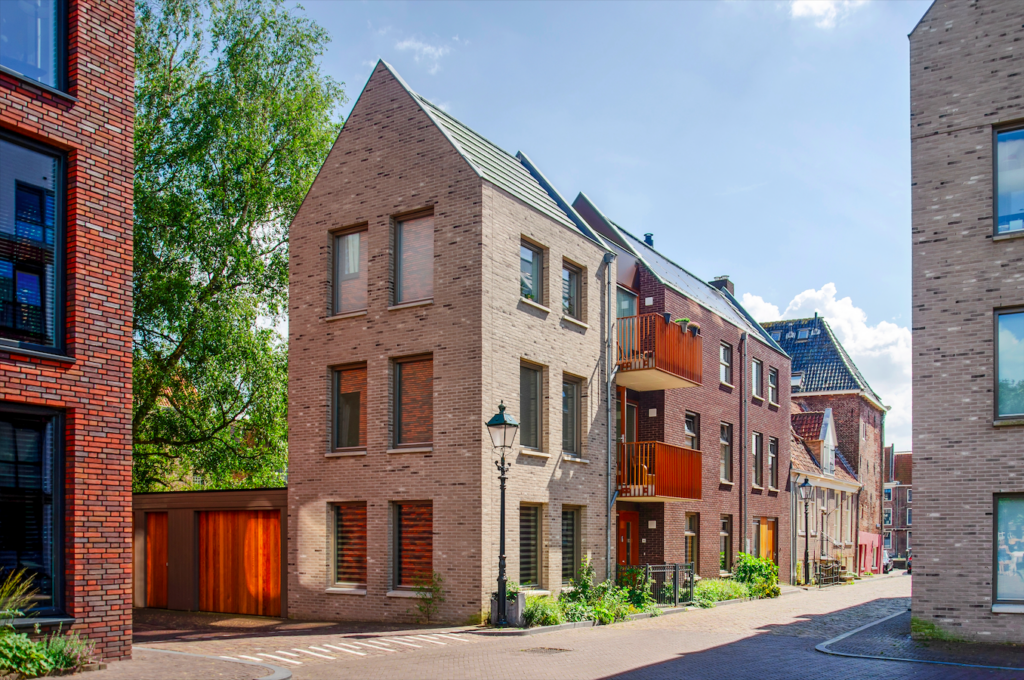
The case concerns a residential lease in Zwolle. Photo credit: Frans Blok/Shutterstock
A tenant in the Netherlands has been evicted after reportedly paying rent for nearly 20 years while not using the property as their primary residence. The case concerns a residential lease in Zwolle, where continued occupancy of the property as a main home was a contractual requirement. The renter was described as a “ghost tenant” due to the long-term absence from the property despite continued payments.
Although rent payments were made consistently over an extended period, the dispute arose over whether the tenant was actually living in the property in accordance with the agreement. The landlord initiated legal proceedings after concerns that the home was not being used as a principal residence. The court ultimately ruled in favour of eviction, concluding that the occupancy conditions of the lease had not been met.
Legal grounds for eviction
The central issue in the case was not financial arrears but compliance with the terms of the tenancy agreement. In residential leases in the Netherlands, tenants are generally required to occupy the property as their main home unless the landlord has agreed otherwise.
Court findings, as reported, focused on the distinction between paying rent and fulfilling residency obligations. The tenant’s consistent payments did not override the contractual requirement that the property be actively used as a primary residence. On this basis, the court determined that long-term non-occupancy constituted a breach of contract. Eviction was therefore upheld as a lawful remedy under the lease terms.
Residency obligations in Dutch rental law
Dutch tenancy agreements commonly include clauses that define how a property must be used. One of the key conditions in many residential contracts is that the tenant must live in the property as their main residence. Failure to meet this requirement can result in legal action, particularly where the landlord can demonstrate that the property is being left vacant or used in a manner inconsistent with the agreement.
Courts typically assess such cases by examining patterns of occupation, duration of absence, and any justification provided by the tenant. Importantly, payment of rent alone is not sufficient to maintain tenancy rights if other core contractual obligations are not fulfilled. This principle is central to the court’s reasoning in cases involving prolonged absence.
Assessment of occupation versus payment
In disputes of this kind, courts differentiate between financial compliance and actual use of the property. Regular rent payments demonstrate fulfilment of one obligation, but do not automatically establish lawful occupancy. Evidence of residency often includes utility usage, physical presence, registration details, and other indicators of day-to-day habitation.
Where such evidence is absent or inconsistent over a long period, courts may conclude that the property is not being used as intended. In this case, the decisive factor was reported to be the extended lack of genuine residence, rather than any failure to pay rent.
Housing context and enforcement considerations
Cases involving long-term non-occupancy are often considered within the broader context of housing availability. In markets where residential property is limited, enforcement of occupancy clauses can become a mechanism to ensure housing is actively used.
Legal enforcement in such situations is typically based on contract terms rather than broader policy considerations. Courts assess whether the landlord can demonstrate a breach of the agreed conditions and whether eviction is a proportionate response. The outcome of this case reflects the principle that tenancy rights depend on both payment and adherence to usage conditions set out in the lease.
Conclusion
The eviction was based on a breach of the residency requirement in the tenancy agreement rather than non-payment of rent. Although rent was reportedly paid for many years, the court determined that the property was not being used as the tenant’s main residence, which was a condition of the lease.
The decision meant the tenancy could be ended despite the absence of rent arrears. It was treated as a matter of contract compliance, with the key issue being whether the property was actually occupied in line with the agreement over time.
Sign up for personalised news
Subscribe to our Euro Weekly News alerts to get the latest stories into your inbox!
By signing up, you will create a Euro Weekly News account if you don't already have one. Review our Privacy Policy for more information about our privacy practices.





Molly Grace
Molly is a British journalist and author who has lived in Spain for over 25 years. With a background in animal welfare, equestrian science, and veterinary nursing, she brings curiosity, humour, and a sharp investigative eye to her work. At Euro Weekly News, Molly explores the intersections of nature, culture, and community - drawing on her deep local knowledge and passion for stories that reflect life in Spain from the ground up.
Comments