Insulated containers: The backbone of cold logistics
By Guest Writer • Published: 01 May 2026 • 14:11 • 4 minutes read
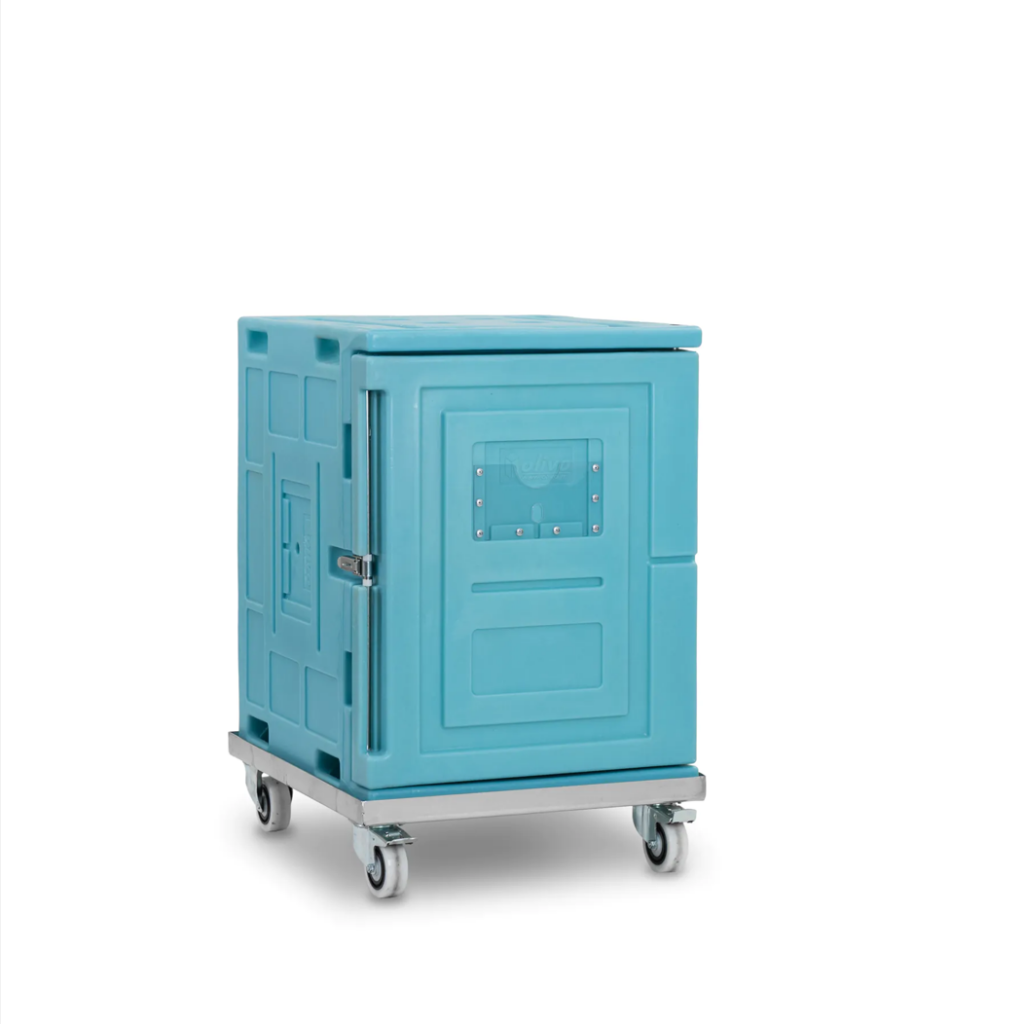
Image: Olivo
Cold chain logistics is a rarely publicised but crucial cog in the wheel of many of mankind’s most important supply chains.
Whether it’s food or pharmaceuticals, or precious blobs of cells, keeping temperature conditions stable for goods to travel from their starting point to their end-use is a hard and fast rule. Right in the middle of it all is a seemingly benign solution. The insulated container. Be it transporting goods across the planet or to the final recipient’s home, insulated containers control the narrative by ensuring quality, safety and compliance are not compromised.
At its core, insulated containers are meant to protect and preserve an area’s internal temperature from external factors. Made from a specialised combination of insulation materials and the right structure and design method, insulated containers can effectively slow down heat transfer and maintain products at their required temperatures or ranges.
Why insulated containers matter in cold chain logistics
The cold chain is only as strong as its weakest link. Even brief exposure to unsuitable temperatures can compromise food safety or render pharmaceuticals ineffective. Insulated containers act as mobile thermal barriers, protecting goods during storage, handling, and transportation. Unlike refrigerated vehicles, which rely on continuous power, insulated containers often function passively, making them especially valuable in situations where power access is limited or interruptions are likely.
They also offer flexibility. Goods can be transferred between vehicles, warehouses, and distribution hubs without breaking temperature control. This adaptability is particularly important in last-mile delivery, where timing, traffic conditions, and environmental exposure are less predictable.
Rolls: mobility and efficiency combined
Roll containers, also known as “rolls” for short, are one of the most convenient solutions for mobile and high-volume logistics thermal containers. These wheeled and framed containers are designed to be quickly and easily manoeuvred in warehouse and distribution centre environments. Thermal covers or thermal protection panels can be quickly deployed and used to maintain a stable temperature environment during dynamic handling and transport journeys.
Their unique benefit is in mobile operational efficiency, allowing workers to load and deliver high quantities of goods without repeated handling and to protect from risks of temperature excursion from goods. Rolls can help in the distribution of goods, particularly with retail and food distribution, where quick turnaround times and repeatability are critical factors.
Boxes: versatility across industries
Insulated boxes are one of the most common formats used for shipping temperature-sensitive products. They come in multiple sizes and are made from different materials. Insulated boxes can be used across multiple industries, including catering, pharmaceuticals and healthcare. They are also lightweight and durable and can fit into manual handling and automated systems.
Insulated boxes are versatile in that they can be combined with cooling methods such as gel packs and/or phase change material to meet specific temperature requirements. They are a good choice for transporting perishable goods (food), vaccines, and even laboratory samples. They are also easy to stack, taking up the right amount of room needed for transportation.
Bacs: robust solutions for demanding environments
Bacs, also known as insulated containers, are built to last and have ideally been engineered to be used multiple times in demanding distribution environments. Typically made from durable plastics and featuring built-in insulation, they are resistant to impact, moisture, and the container itself wearing down.
These containers are heavily used in industrial food processing and broader distribution supply chains. The hard walls offer superior protection for the product, while the insulation supports the stability of temperature control over the duration. Bacs are also simple to wash and sanitise, so they are an appropriate option when hygiene is a consideration for an application.
Choosing the right solution
Choosing the right insulated container depends on several factors. The products being transported, the required temperature variance, delivery timeframes and materials handling needs. If rapid in-plant transportation is called for, rolls may be the best bet. If shipments vary, containers offer maximum flexibility. And, if roll containers are going to receive heavy use, consider bacs.
In addition, the trend is toward greater sustainability. To minimise waste, more companies are using returnable insulated containers rather than single-use packaging solutions. This trend better positions them to meet growing environmental goals and regulations. Today’s most innovative products focus on extended service life, which makes it easier for companies to balance productivity and accountability.
Supporting last-mile delivery
The outcome of delivery is often jeopardised by the last mile. Traffic conditions, roadblocks, and increasing temperatures can make it almost impossible to keep products at their desired temperatures. Insulated delivery boxes are the solution because they don’t require any additional power source to maintain the right temperature.
A good insulated container keeps chilled products below the danger zone for 4–5 hours in moderate temperatures. In hot temperatures, it can deliver similar results for much less time, which is still a game-changer. It helps a lot with grocery delivery, online pharma ordering, or any kind of delivery application where schedule adherence might become a challenge.
The future of insulated containers
The expansion of the cold chain, driven by global trade and the e-commerce boom, is pushing the boundaries of insulated container technology. Developments in insulation materials like vacuum panels and high-performance foams are enhancing the thermal properties of insulated containers while reducing weight. Meanwhile, the availability of smart tracking systems can now provide real-time information about the temperature, in route, and provide an additional layer of security and transparency.
Insulated containers are the unsung heroes of the cold chain. Such unassuming instruments of logistics may not be glamorous, but their positive impact is immeasurable. They protect temperature-sensitive products from warehouse to consumer, and support markets millions rely on.
Knowing the difference between a roll, a box, and bacs isn’t only an academic endeavour. It’s part of smart cold-chain planning that will keep things running smoothly. In an industry that depends on exact efficiency, the insulated container you choose can be a game-changer.
Sign up for personalised news
Subscribe to our Euro Weekly News alerts to get the latest stories into your inbox!
By signing up, you will create a Euro Weekly News account if you don't already have one. Review our Privacy Policy for more information about our privacy practices.





Guest Writer
Comments