Pay-as-you-go: Drivers in Spain may have to pay extra and foot the bill for road repairs
By Adam Woodward • Published: 03 May 2026 • 10:20 • 2 minutes read
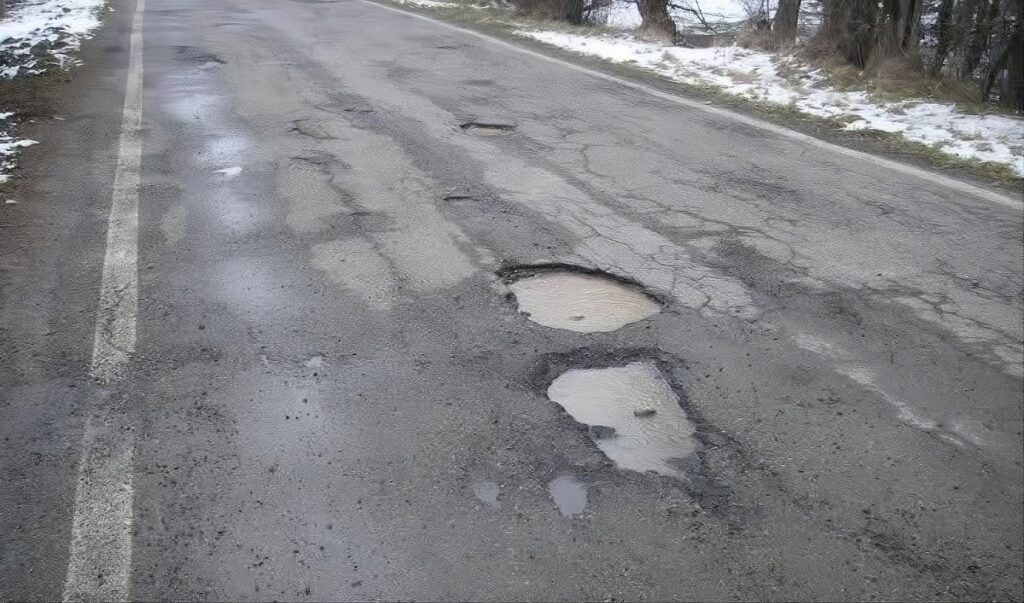
Spain's growing pothole problem. Credit: España Maravilla FB
With roads up and down Spain crumbling into pothole hell, one repair-funding suggestion on the table would involve charging drivers extra for the upkeep.
The association SEOPAN, which represents major construction and infrastructure firms, is openly advocating for a fundamental change in Spain’s current financial model. Their idea is to implement a pay-per-use system as a way of offering a guarantee to the road network’s maintenance without raising general taxation or draining resources from other essential public services.
Concrete figures accompany this audacious pitch. Average costs for motorists would be around €111 per year under a distance-based pricing system. Estimates suggest the scheme could generate a staggering €43.26 billion over a decade. Such a massive revenue stream would provide the capital needed to fix deteriorating tarmac, drive ecological transitions, and modernise digital infrastructure across the country. As well, around 2,680 councils would benefit from a projected €4.1 billion windfall.
Maintenance pressures and expiring contracts
The urgency for change comes from a tightening legislative calendar. December 2026 is crunch time for the government and drivers all over Spain, as it sees the conclusion of ten major motorway concession contracts originally awarded in 2007. Once these agreements end, the central authorities must assume direct responsibility for maintaining these 993 kilometres of road, and there is currently no one in line to take on the work. Costs for such upkeep average roughly €80,000 per kilometre, placing immense strain on already stretched public accounts.
Industry experts warn that the traditional contract model faces a bleak future. Public contracts for works concessions totalled a mere €2.218 billion in 2025, representing less than two per cent of all public procurement. This decline follows a long-term trend; since 2015 such contracts have plummeted by 84 per cent. Almost one in five bids for contracts now ends in failure, with companies either withdrawing or refusing to bid due to the financial risks.
Investment gaps and regulatory reform
Alarming data shows that 2024 investment levels reached barely half of the amounts seen in 2009, which goes a long way to explain the current state of the roads in Spain. Vital sectors like transport and water management have all seen their share of total public spending drop from 3.9 per cent in 2008 to just 1.7 per cent recently. SEOPAN has responded by submitting a technical reform proposal for public procurement laws to the government. Stability and legal clarity remain the primary goals, with the hope to reduce costly litigation for both the state and private firms.
Julián Núñez, president of the association, says that moving away from chronic underfunding is vital for future prosperity. Closer collaboration between public and private sectors must underpin this new investment drive. Updating contract laws will improve practical application and ensure that projects meet strict budgets and deadlines. External economic pressures, particularly inflation caused by Middle Eastern instability, make these reforms even more pressing for the national economy.
Sign up for personalised news
Subscribe to our Euro Weekly News alerts to get the latest stories into your inbox!
By signing up, you will create a Euro Weekly News account if you don't already have one. Review our Privacy Policy for more information about our privacy practices.




Adam Woodward
Adam is a writer who has lived in Spain for over 25 years. With a background in English teaching and a passion for music, food, and the arts, he brings a rich personal perspective to his work at Euro Weekly News. As a father of three with deep roots in Spanish life, Adam writes engaging stories that explore culture, lifestyle, and the everyday experiences that shape communities across Spain.
Comments