Why northern European buyers are choosing Ibiza in 2026 — A view from the ground
By Guest Writer • Published: 05 May 2026 • 11:26 • 5 minutes read
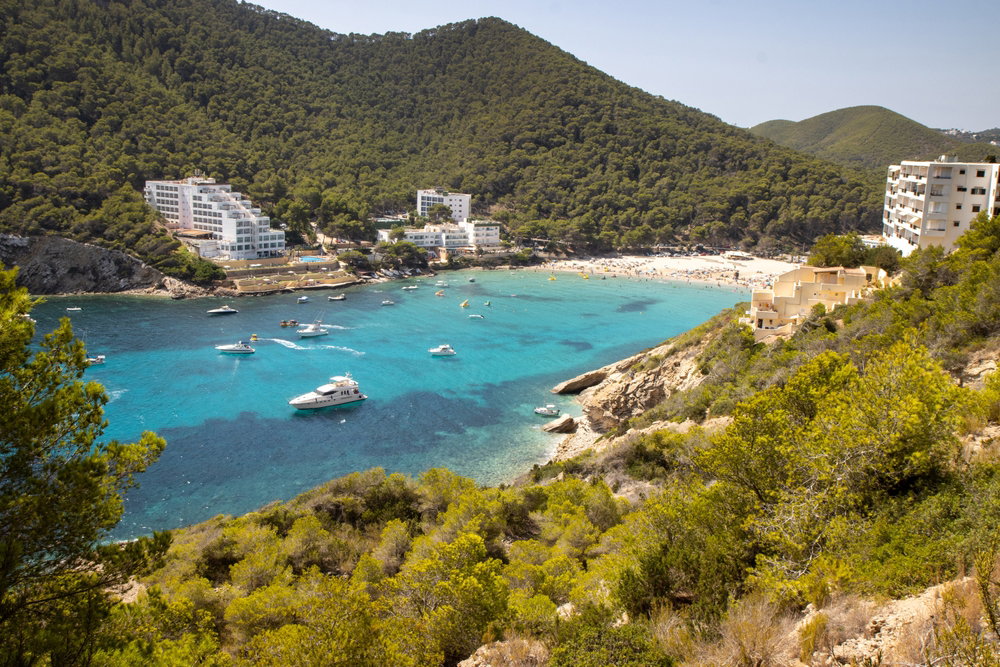
Image: Shutterstock
After more than twelve years living and working as a real estate agent on Ibiza, I have watched the buyer profile shift several times. But the change happening right now in 2026 is the most significant I have seen since I founded CW Real Estate Ibiza in 2013.
The buyer of 2026 is not the celebrity or the party-driven visitor of the early 2000s. The buyer of 2026 is a Dutch entrepreneur in their late forties, a German family relocating their primary residence, a British executive returning from Dubai with school-age children, and a growing number of Belgian and Northern European professionals seeking a permanent European base outside their home country. They are wealthy, but they are also pragmatic. They are not buying for the postcards. They are buying for the long term.
The Dutch wave is the most striking trend of 2026
Dutch buyers are now the fastest-growing nationality in our portfolio. Twelve years ago I rarely received a serious enquiry from the Netherlands. Today, Dutch enquiries account for nearly a third of our incoming requests, particularly for villas in the €2 million to €8 million range.
The reasons are structural rather than fashionable. The Netherlands has experienced years of strong wealth creation in technology, logistics and family businesses. Dutch tax policy on box-3 wealth has encouraged diversification into tangible foreign assets. And there is a cultural affinity at play — Dutch buyers tend to value transparency, direct communication and thorough legal due diligence, all qualities that mature Ibiza agencies have learned to provide.
The areas Dutch buyers consistently prefer are Santa Gertrudis, Roca Llisa, San Juan and the inland regions around Sant Mateu. They want privacy, walkability, decent connectivity to Ibiza Town, and access to international schools. They are far less interested in the southern beach-club scene that defined Ibiza media coverage a decade ago.
The Dubai expat return — a 2026 phenomenon
Less reported but equally important is the wave of European expats returning from the United Arab Emirates. Many of them spent the last decade in Dubai building substantial wealth in finance, technology and consulting, and are now repositioning their lives toward Europe.
The drivers are clear: the introduction of UAE corporate tax in 2023, regulatory shifts in specific sectors, and most importantly the desire to raise children in a European educational system with continental healthcare access. For these buyers, Ibiza offers a Mediterranean climate similar to what they enjoyed in the Gulf, top-tier international schools, and direct flight access to London, Frankfurt, Amsterdam, Zurich and Madrid.
Their budget profile is typically higher than the Dutch wave — €4 million to €15 million — and they tend to prioritise Cap Martinet, Es Cubells and the south coast for the combination of privacy and rapid access to the airport for continued business travel.
Why Ibiza specifically, and not other Mediterranean destinations
This is the question I get most often from first-time buyers. The honest answer comes down to three structural factors that make Ibiza fundamentally different from the Costa del Sol, the Balearic alternatives, the south of France or the Greek islands.
First, the island is small. At 572 square kilometres with extensive protected nature zones, the physical space available for new luxury construction is genuinely limited. Unlike emerging luxury destinations where supply can grow, Ibiza supply is fixed and shrinking through ever-stricter building permit policy.
Second, the regulatory environment for short-term rentals has tightened significantly. The ETV (Estancia Turística en Vivienda) licence is now extremely difficult to obtain for new properties. As a direct result, properties with an existing ETV licence command a 15 to 25 per cent premium over comparable properties without one. This regulatory scarcity is what makes Ibiza different from any other Mediterranean market.
Third, demand is genuinely international. Where some destinations rely heavily on a single national market, Ibiza buyers come from at least eight or nine countries simultaneously, which insulates the market from any single national economic cycle.
Lifestyle integration: Where the boats come in
What separates a successful Ibiza purchase from a disappointing one is rarely the property itself. It is whether the buyer fully understands and integrates the island lifestyle. Owning a beautiful villa is one part of the experience. The other half — what makes Ibiza genuinely different — is what happens on the water. Most of the island’s most spectacular coves and beaches are accessible only by sea. Properties bought through CW Group luxury villas Ibiza specialists are typically purchased by buyers who already understand this and plan accordingly.
For owners and their guests, having reliable access to a private boat or charter is no longer a luxury accessory. It is part of the value proposition that justifies premium Ibiza pricing. Services like Ibiza boat rentals through CW Rent Boats Ibiza offer crewed yacht charters with reservations at floating restaurants in Cala Jondal, Formentera day trips and access to mooring spots in Es Vedrà and Cala d’Hort that simply cannot be reached by road.
This integrated lifestyle — villa with ETV licence, plus access to discreet maritime experiences — is what produces the strongest returns for buyers who plan to use their property for four to eight weeks per year and rent the rest of the season. Gross rental yields of 5 to 8 per cent annually are achievable in this configuration.
What to expect in the next 24 months
Most analysts covering the Spanish luxury market expect Ibiza prices to rise a further 6 to 10 per cent through 2026 in prime locations. The structural factors I described above are not changing. If anything, building restrictions are becoming tighter, not looser.
For buyers considering an entry in 2026, my honest advice is to focus less on rushing to find a property and more on visiting the island in two different seasons before committing. The difference between Ibiza in August and Ibiza in November is significant, and the right property for one buyer is the wrong property for another. Engage an independent lawyer from day one. Verify the ETV licence status of any property you are seriously considering. And do not assume the best properties are publicly listed — many of the most interesting opportunities are off-market and only available through established local networks.
Ibiza in 2026 remains one of Europe’s most resilient luxury property markets. But the buyer of 2026 needs to be more strategic, more informed and more patient than the buyer of five years ago. The good news is that those qualities are exactly what defines the Northern European clientele increasingly arriving on the island.
Christian Wolf is the founder and owner of CW Real Estate Ibiza, a luxury real estate agency awarded as a leading Ibiza specialist for 2024 and 2025. He has lived in Ibiza since 2013 and advises Dutch, German, British and international buyers on luxury property and investment in Ibiza and Formentera.
By Christian Wolf, founder of CW Real Estate Ibiza
Follow Euro Weekly News on Google News
Get breaking news from Spain, travel updates, and expat stories directly on your Google News feed.
Follow on Google NewsSign up for personalised news
Subscribe to our Euro Weekly News alerts to get the latest stories into your inbox!
By signing up, you will create a Euro Weekly News account if you don't already have one. Review our Privacy Policy for more information about our privacy practices.





Guest Writer
Comments