Speeding fines from fixed cameras are being cancelled for one little photo error
By Adam Woodward • Published: 28 Jun 2026 • 12:03 • 2 minutes read
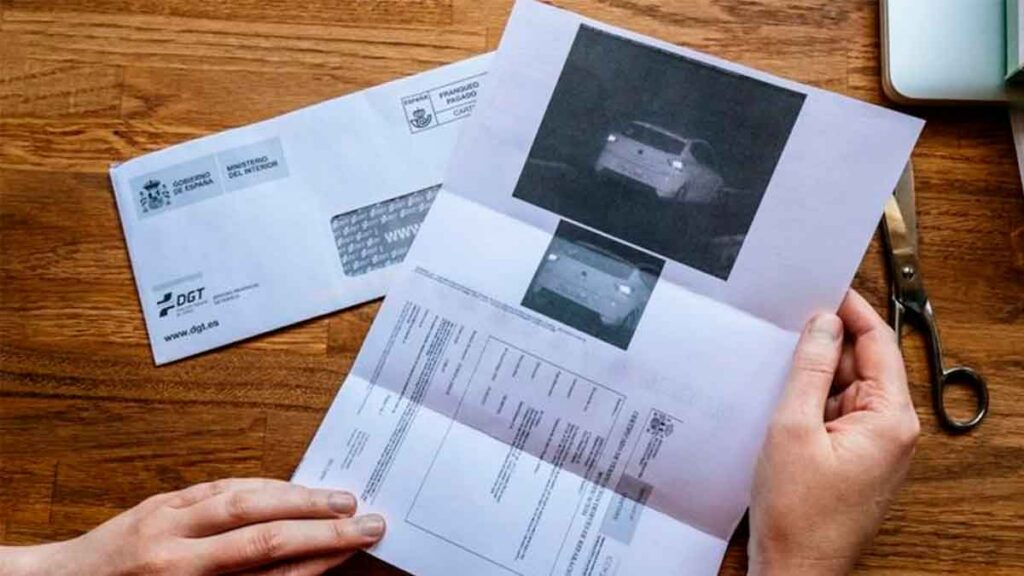
Check the images on your speeding fine. Credit: Dvuelta.es
Drivers in Spain now hold firmer ground to challenge certain fines from fixed speed cameras. A recurring defect on some speeding fines in the visual evidence supplied by the traffic authority (DGT) is creating viable routes to annulment, provided recipients act within the strict time limits and present the right arguments.
Photo evidence rules create appeal options for fines
Fixed radar cameras must supply two distinct photographs captured at different instants and from separate angles to support any valid speeding punishment. Legal expert Juan Requena has said that simple enlargement or reframing of a single original image fails to meet these standards. This, according to Requena, has been happening recently. Both images require genuine differences in timing and perspective to confirm the vehicle identity and speed data without any ambiguity.
Recipients of speeding fines in Spain should examine the photos supplied with a fine for matching source material or digital adjustments. Discovery of such a duplication, and it happens, strengthens formal objections during the administrative phase and has already led courts to accept similar challenges in past cases and throw the fine out as being invalid.
National rule sets strict technical demands on speed camera proof
Order ICT/155/2020 and its annex on measurement instruments detail the exact conditions that speed cameras must satisfy across Spain. Compliance with this rule demands separate images taken rather than reworked versions of one snap, such as one zoomed in. When authorities provide material that originates from an identical frame, the sanction process encounters a clear procedural flaw that undermines enforcement. It’s null and void, basically.
Verification should therefore focus on timestamps, vehicle positioning and angle differences visible in each image. Any sign that one picture derives directly from the other through adjustment weakens the evidential basis required for a legal penalty.
Speed measurement allowances offer more protection to drivers’ pockets
Tolerance ranges in recorded speed form another built-in safeguard within the sanction system. For stationary speed cameras in urban areas these allowances typically span three to five kilometres per hour. Faster roads apply equivalent percentages that must favour the driver during final calculations. The margin for error on Spanish motorways with a 120 km/h speed limit is often cited as 125 km/h. With mobile speed cameras, it is said to be slightly more.
Close checks on the supplied images help confirm whether authorities applied these margins correctly. Shortcomings in this area frequently support full cancellation when raised promptly with supporting detail.
Appeal windows and payment trade-offs require balanced decisions
The difficulty is that recipients have just twenty calendar days from notification delivery to lodge allegations through the traffic authority electronic headquarters (DGT) or provincial offices. This route automatically removes access to the fifty per cent reduction available for early settlement. Failed challenges then demand payment of the full original sum, forcing a direct comparison between possible success and immediate cost savings. Many prefer to pay the reduced price rather than risk going for annulment and failing and therefore coughing up the full amount of the fine.
Assessment of the specific evidence is essential before whatever choice is made. Clear failures in the two-capture rule or margin application improve prospects for annulment considerably.
Review of all documents received stays vital before payment or appeal. Outcomes depend on individual facts and the quality of material submitted inside the deadline. Many drivers identify viable options only after full examination of the case file. When in doubt, it could be worth calling in the experts.
Follow Euro Weekly News on Google News
Get breaking news from Spain, travel updates, and expat stories directly on your Google News feed.
Follow on Google NewsSign up for personalised news
Subscribe to our Euro Weekly News alerts to get the latest stories into your inbox!
By signing up, you will create a Euro Weekly News account if you don't already have one. Review our Privacy Policy for more information about our privacy practices.




Adam Woodward
Adam is a writer who has lived in Spain for over 25 years. With a background in English teaching and a passion for music, food, and the arts, he brings a rich personal perspective to his work at Euro Weekly News. As a father of three with deep roots in Spanish life, Adam writes engaging stories that explore culture, lifestyle, and the everyday experiences that shape communities across Spain.
Comments