We may finally know the origin of mysterious comet 3I/ATLAS
By Farah Mokrani • Published: 07 May 2026 • 19:57 • 3 minutes read
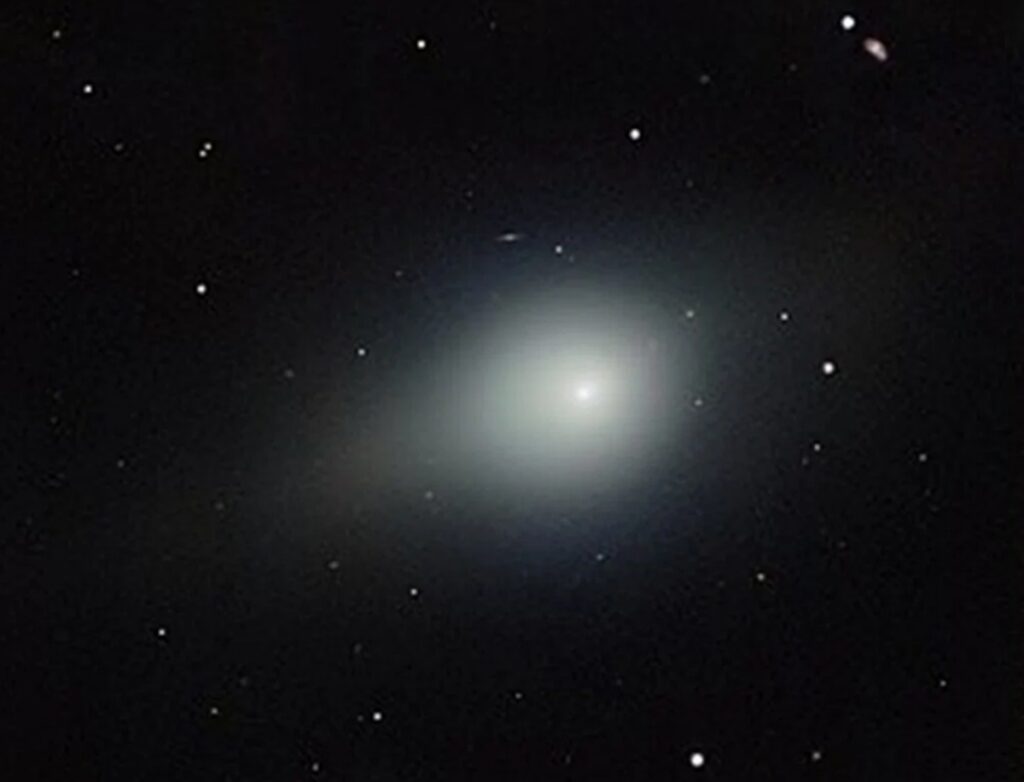
Scientists believe comet 3I/ATLAS may be older than the Sun itself. Credit : Wikipedia - By International Gemini Observatory
Astronomers studying the mysterious interstellar comet 3I/ATLAS believe they may have found one of the oldest objects ever seen passing through our solar system. According to a new study published in Nature, the icy visitor could be around 11 billion years old, meaning it may have formed long before the Sun even existed. Researchers also say the comet appears to come from an environment so cold and isolated that it may completely change what scientists understand about the formation of planets and star systems.
The discovery has sparked huge interest in the astronomy world after researchers detected unusually high levels of deuterium inside the comet’s ice. That chemical clue is now helping scientists piece together where 3I/ATLAS may have come from and why it looks so different from objects normally found in our own solar system.
Why scientists think 3I/ATLAS formed in one of the coldest places ever detected
When 3I/ATLAS passed through the solar system last year, observatories around the world rushed to collect as much data as possible before the object disappeared back into deep space.
At first glance, it looked like another icy interstellar visitor. But once astronomers started analysing its composition more closely, they realised something unusual was hidden inside the comet’s water ice.
Researchers discovered extremely large amounts of deuterium, sometimes referred to as heavy hydrogen.
For astronomers, that matters because deuterium levels can reveal the kind of environment where an object originally formed. In general, the colder the environment, the higher the concentration tends to be.
And according to the new study, the levels detected inside 3I/ATLAS suggest conditions far colder than those linked to the formation of our own solar system.
Teresa Paneque-Carreño, astronomer at the University of Michigan, believes the comet may have formed in an unusually isolated region of space where temperatures dropped dramatically lower than normal.
Scientists even think the comet could have formed before the birth of the star in its original system.
That idea may sound strange, but researchers say it is possible for icy material to begin clumping together inside enormous clouds of gas and dust before a star fully forms at the centre.
If confirmed, it would mean 3I/ATLAS has been travelling through the galaxy for billions of years carrying material from a time long before Earth, the Sun or even much of our solar system existed.
A comet twice the age of the Sun is giving astronomers rare clues about the early universe
Researchers estimate the comet could be around 11 billion years old.
To put that into perspective, the Sun is believed to be around 4.6 billion years old. That means 3I/ATLAS may have already been drifting through space for billions of years before our solar system even began forming.
Scientists say that age is part of what makes the object so valuable.
Most comets studied by astronomers come from within our own solar system, mainly from regions such as the Kuiper Belt or the Oort Cloud. But interstellar objects are completely different. They originate elsewhere in the galaxy and can carry chemical fingerprints from environments scientists would otherwise never be able to study directly.
Researchers believe 3I/ATLAS may offer a rare glimpse into what some of the earliest planetary systems in the universe looked like.
Paneque-Carreño explained that understanding the comet’s chemistry could help scientists better understand how planets formed billions of years ago under very different cosmic conditions.
The findings are especially interesting because our own Sun likely formed inside a crowded region filled with young stars. But the evidence surrounding 3I/ATLAS points towards a much quieter and more isolated birthplace.
That difference may explain why the comet appears to have formed under such intensely cold conditions.
Scientists say studying ancient objects like this helps them build a clearer picture of how the universe evolved over time and how different types of star systems may produce very different planetary environments.
How scientists managed to study the ancient icy visitor before it vanished again
Although 3I/ATLAS only briefly passed through the solar system, astronomers managed to gather a remarkable amount of information before it continued back into interstellar space.
Researchers used some of the world’s most powerful observatories to study the comet during its visit.
One of the key tools was the Atacama Large Millimeter/submillimeter Array in Chile, which allowed scientists to examine the chemical composition of the comet’s ice in detail.
Astronomers also used NASA’s Hubble Space Telescope to estimate the size of the object. Current calculations suggest the comet’s nucleus could measure anywhere between 440 metres and 5.6 kilometres wide.
That uncertainty exists because interstellar objects move incredibly fast and can be difficult to observe accurately before disappearing back into deep space.
Even so, researchers believe 3I/ATLAS could become one of the most important interstellar objects ever studied.
The comet itself is now leaving the solar system, but scientists say the information collected during its short visit may keep researchers busy for years.
For astronomers, objects like 3I/ATLAS are rare opportunities. Most of the universe remains impossibly far away, but every so often, something ancient drifts close enough for humanity to take a closer look.
And in this case, that object may have carried ice from a time before our Sun was even born.
Sign up for personalised news
Subscribe to our Euro Weekly News alerts to get the latest stories into your inbox!
By signing up, you will create a Euro Weekly News account if you don't already have one. Review our Privacy Policy for more information about our privacy practices.





Farah Mokrani
Farah is a journalist and content writer with over a decade of experience in both digital and print media. Originally from Tunisia and now based in Spain, she has covered current affairs, investigative reports, and long-form features for a range of international publications. At Euro Weekly News, Farah brings a global perspective to her reporting, contributing news and analysis informed by her editorial background and passion for clear, accurate storytelling.
Comments