Belgian farmers resort to bizarre, archaic methods, and not everyone is happy about it
By Adam Woodward • Updated: 11 May 2026 • 12:07 • 2 minutes read
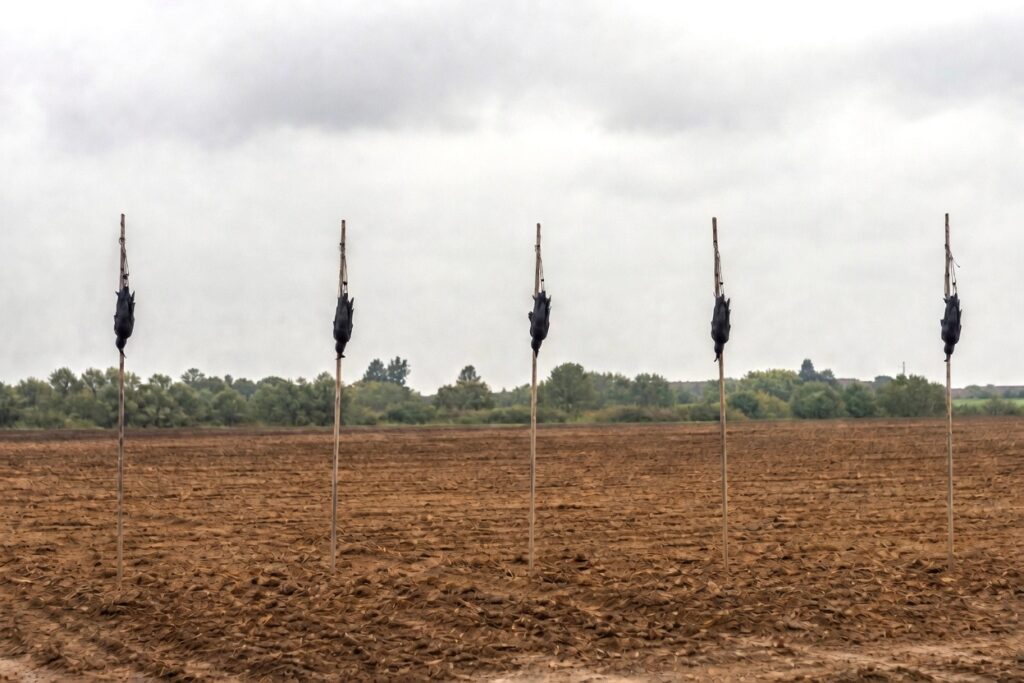
Belgium resorts to ancient scarecrow methods Credit: animalweb.be
Reports from Belgian countryside areas describe farmers resorting to more ancient methods of scaring away crows and other pests, but not everyone is pleased with the archaic method.
The act of suspending dead crows or magpies on poles in the middle of crop fields has been making a comeback as a tried-and-tested method of deterring living birds through a stark visual warning.
Origins of the macabre field guardians
Farmers in parts of Belgium maintain this approach dates back centuries. Dead birds hang by their feet from stakes or simple frames as a warning to the living. Proponents argue the sight warns flocks away from seeds and ripening harvests. Walkers sometimes encounter these figures during rural outings, prompting curiosity about rural customs. However, some who lean more towards environmentalism animal rights, such as AnimalWebBelgium, are now getting the hump with the farmers.
Questions over lasting impact
Corvids rank among the most intelligent species with strong learning capacity. Initial caution often gives way to habituation once birds observe no ongoing danger. Communication within flocks spreads awareness that stationary carcasses present little risk. However, farmers are weighing the costs against results when choosing affordable protection strategies for vulnerable plots.
Modern views on wildlife practices
Discussions in local communities currently surround animal welfare together with crop needs. Belgian rules protect most wild birds, though limited exceptions apply for serious agricultural threats. Authorities are monitoring displays that could raise health or ethical concerns. Many producers explore non-lethal options to balance productivity with contemporary standards.
Effective substitutes gain ground
Sonic devices are available that can broadcast distress signals to prompt natural avoidance. Reflective tapes, predator-shaped balloons, and moving kites have been used to create unpredictable motion. Nets and laser systems can also deliver targeted barriers. These tools reduce reliance on older techniques while supporting sustainable farming goals.
Unusual scarecrow customs across Europe
Similar distinctive traditions appear elsewhere on the continent. In Albania, residents hang dordolec figures, often grotesque dolls, outside homes and properties to ward off the evil eye. These macabre guardians are said to “absorb negative glances” according to longstanding folk beliefs.
Irish communities once observed Wren Day on December 26. Groups hunted wrens, then displayed the small bird on a decorated pole during processions. This ritual links to ancient customs marking seasonal change.
German and Polish folklore features witch-like scarecrows crafted to embody winter spirits. Farmers built them to draw away cold forces before spring planting. Eastern European areas include effigies burnt in harvest rites or used in rituals for land protection.
Such practices reflect deep roots in agrarian life. Many now serve cultural or decorative roles as technology offers fresh solutions for bird management. Farmers and communities continue adapting heritage methods to fit present realities.
Follow Euro Weekly News on Google News
Get breaking news from Spain, travel updates, and expat stories directly on your Google News feed.
Follow on Google NewsSign up for personalised news
Subscribe to our Euro Weekly News alerts to get the latest stories into your inbox!
By signing up, you will create a Euro Weekly News account if you don't already have one. Review our Privacy Policy for more information about our privacy practices.



Adam Woodward
Adam is a writer who has lived in Spain for over 25 years. With a background in English teaching and a passion for music, food, and the arts, he brings a rich personal perspective to his work at Euro Weekly News. As a father of three with deep roots in Spanish life, Adam writes engaging stories that explore culture, lifestyle, and the everyday experiences that shape communities across Spain.
Comments