Ryanair slashes flights in Greece and 700,000 seats will disappear this winter
By Farah Mokrani • Published: 13 May 2026 • 8:49 • 3 minutes read
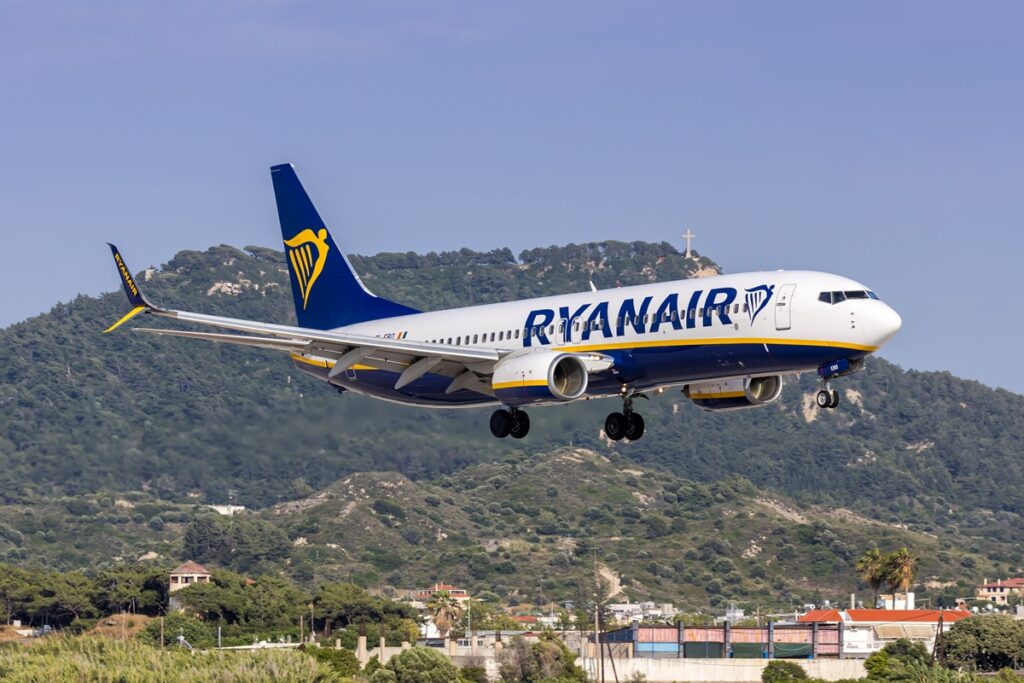
Ryanair is cutting 700,000 seats in Greece after a dispute over rising airport charges. Credit : Markus Mainka, Shutterstock
Ryanair is cutting back heavily in Greece this winter, removing 700,000 seats and shutting down several routes in a move the airline says is directly linked to soaring airport charges. The Irish low cost carrier has confirmed it will close its Thessaloniki base, reduce operations in Athens and stop winter flights in parts of Crete, dealing a major blow to off season tourism in the country.
The cuts amount to a 45 per cent reduction compared with last winter and will affect 12 domestic and international routes. Destinations including Berlin, Frankfurt, Venice, Stockholm and Zagreb are among those impacted.
Ryanair says airport charges in Greece have increased by 66 per cent since before the pandemic and claims the country is becoming too expensive for low cost winter travel.
The dispute is the latest clash between Ryanair and airport operators across Europe as airlines continue pushing back against rising operational costs.
Why Ryanair says Greece is becoming too expensive
The airline’s criticism is mainly aimed at airports operated by Fraport Greece, the subsidiary of the German airport operator behind Frankfurt Airport.
According to Ryanair, Greece’s government already reduced its airport development tax by 75 per cent in late 2024, cutting the fee from €12 to €3 per passenger.
The airline argues that reduction should have helped make flights cheaper and boosted tourism outside the peak summer season.
Instead, Ryanair claims airports continued increasing their own charges, effectively cancelling out the tax reduction.
The company says that makes Greek airports increasingly uncompetitive during winter, exactly when airlines depend most heavily on lower operating costs to maintain routes.
Ryanair’s chief commercial officer Jason McGuinness accused airport operators of holding onto the tax reduction rather than passing the savings on to passengers and airlines.
He warned that Greece risks losing tourism growth, jobs and airline investment if the current pricing structure remains unchanged.
The airline also says it had proposed a major expansion plan for Greece that could have increased annual passenger numbers to 12 million over the next five years.
According to Ryanair, that proposal included 10 additional aircraft and around 50 new routes. But the company says those plans are now effectively frozen unless airport charges are reduced.
Thessaloniki will be hit hardest by the cuts
The biggest impact is expected in Thessaloniki, Greece’s second largest city. Ryanair says it supplied around 90 per cent of the city’s international winter air capacity last year, making the closure of its local base especially significant.
Three aircraft worth an estimated $300 million will now be removed from the airport.
For travellers, the result is likely to mean fewer direct flights, reduced competition and potentially higher prices on some remaining routes.
The airline will also suspend winter operations at Chania and Heraklion airports in Crete, further weakening air connections outside the main tourist season.
That matters because Greece has increasingly tried to attract year round tourism rather than relying almost entirely on summer visitors.
Winter routes are especially important for local businesses, hotels and restaurants trying to extend the tourist season beyond the busiest months.
Without low cost connections, many destinations become harder to reach affordably during quieter periods.
Ryanair’s battle with airport fees is spreading across Europe
The situation in Greece is not happening in isolation. Ryanair has repeatedly clashed with airport authorities and governments across Europe over taxes, airport charges and tourism policies.
Spain has also faced criticism from the airline in recent months over airport fees and operating costs. At the same time, several countries are trying to balance booming tourism numbers with infrastructure pressures and environmental concerns.
Airports themselves argue that costs have risen sharply since the pandemic because of inflation, staffing expenses and investment requirements. But airlines insist higher charges eventually push up ticket prices and make certain routes financially impossible, particularly in winter.
For travellers, these disputes increasingly affect the availability of cheap flights across Europe.
Low cost airlines built much of their business model around aggressive expansion into secondary airports with lower fees. Once those costs begin rising, airlines often respond quickly by cutting routes or moving aircraft elsewhere.
That is exactly what Ryanair says it will now do in Greece. The airline has already announced plans to reassign aircraft to what it describes as “more competitive” markets including Albania, Sweden and parts of Italy where airport costs remain lower.
For Greece, the timing is awkward. Tourism continues breaking records overall, but much of that growth remains concentrated during the summer months. The government has spent years trying to spread tourism across the calendar and attract more visitors during winter.
Losing a large number of low cost seats moves in the opposite direction. And for passengers hoping to visit Greece cheaply this winter, the changes may soon become very noticeable when they start searching for flights.
Follow Euro Weekly News on Google News
Get breaking news from Spain, travel updates, and expat stories directly on your Google News feed.
Follow on Google NewsSign up for personalised news
Subscribe to our Euro Weekly News alerts to get the latest stories into your inbox!
By signing up, you will create a Euro Weekly News account if you don't already have one. Review our Privacy Policy for more information about our privacy practices.





Farah Mokrani
Farah is a journalist and content writer with over a decade of experience in both digital and print media. Originally from Tunisia and now based in Spain, she has covered current affairs, investigative reports, and long-form features for a range of international publications. At Euro Weekly News, Farah brings a global perspective to her reporting, contributing news and analysis informed by her editorial background and passion for clear, accurate storytelling.
Comments