British resident bitten by recluse spider in Mallorca sparks debate on medical misidentification of bites
By Molly Grace • Updated: 14 May 2026 • 17:14 • 3 minutes read
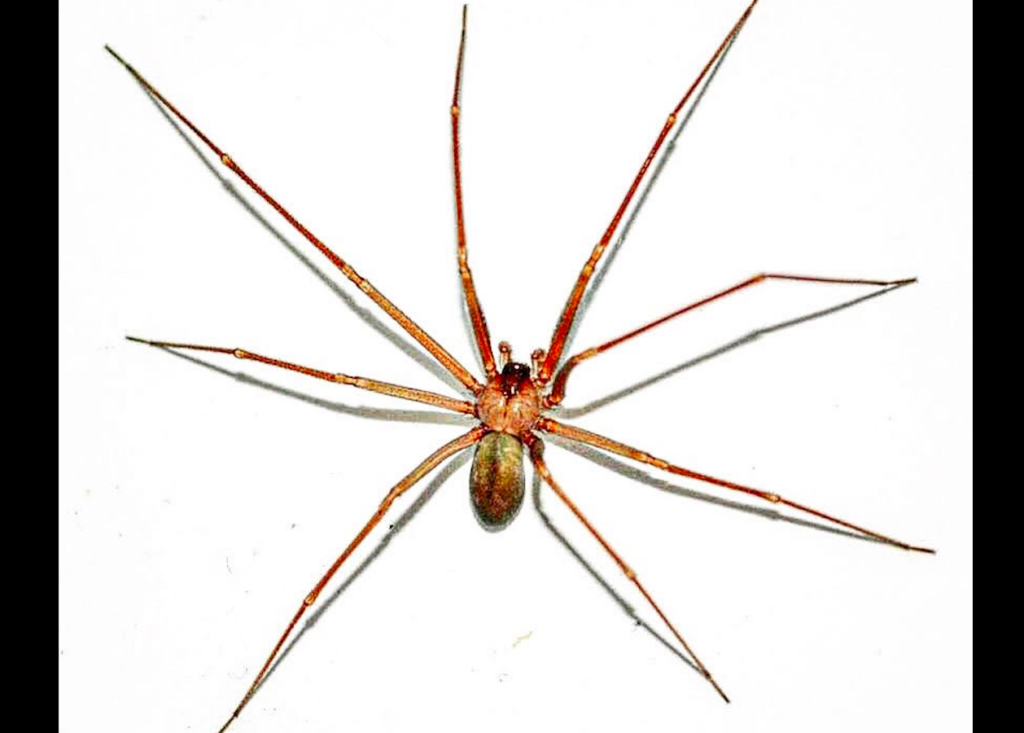
These spiders are more likely to remain hidden in items that are rarely moved. Photo credit: Molly Grace
A British resident in Mallorca has reported being bitten by a recluse spider at her home, describing the experience as leaving her in an “awful” condition after developing a severe skin reaction.
She said the incident happened while clearing out items from a storage box in her home, and believes the spider may have been inside belongings she had taken down from the attic.
A blister developed, followed by infection and tissue damage that required hospital treatment.
She said she has been receiving ongoing care, including wound debridement, and expects recovery to take several weeks.
The resident said she was unaware of recluse spiders in Mallorca before the incident and highlighted her experience in order to raise awareness.
Recluse spiders present in Spain
The Mediterranean recluse spider (Loxosceles rufescens) is present in Spain, including the Balearic Islands. It is, as its name suggests, a reclusive, non-aggressive species that typically avoids human contact and is usually found in undisturbed indoor environments such as storage areas, furniture gaps, unused shoes, and clothing piles that are left untouched for long periods. (In fact, I found a Mediterranean recluse spider in my hair two days ago after putting a sweater on that had been left in a corner of my room for a few days. I removed the spider before even knowing what it was and was not bitten!)
Like other members of the Loxosceles genus, it produces venom that in some documented cases has been associated with localised skin reactions. However, scientific literature notes that outcomes vary, and medically significant reactions remain relatively uncommon.
The species is often widely mistaken for the brown recluse (Loxosceles reclusa) found only in North America, which is more strongly associated with medically significant necrotic effects in published studies. While both species share similar venom components, recorded clinical effects differ between them.
How to identify a Mediterranean recluse spider and what to do if one is found
The Mediterranean recluse is a small, light to medium brown spider with a relatively flat body and long, thin legs. It is often described as having a violin-shaped marking on the cephalothorax (head), although this can vary in visibility depending on how close to moulting the spider is.
It has six eyes arranged in three pairs, a key feature of the genus Loxosceles, and moves slowly compared with many common house spiders. It prefers dark, undisturbed areas rather than open or frequently used spaces.
In most situations, if a recluse spider is found, it is best left undisturbed and allowed to move away on its own. If it is in an area where it may be repeatedly disturbed, such as bedding, children’s areas, or where pets rest, it can be carefully relocated using a container and paper without direct contact. Reducing clutter and regularly moving stored items can help reduce encounters.
Expert view: suspected spider bites often difficult to confirm
As someone who has studied spiders for over 15 years, many cases described as spider bites cannot be confirmed without direct observation of the biting event or recovery of the spider involved.
Medical literature and emergency medicine research, including reviews highlighted in public health reporting such as NPR’s health coverage, note that over 85% of lesions initially misdiagnosed by doctors and attributed to spider bites are later found to be bacterial skin infections or other dermatological conditions. These can include Staphylococcus aureus infections, abscesses, or other inflammatory skin disorders. Because these conditions can closely resemble suspected spider envenomation, clinical misattribution is well documented in dermatology literature.
Even when a spider is present in the same environment, this does not establish causation. In most clinical situations, suspected spider bites are assessed alongside more common medical causes. Diagnosis is typically based on wound appearance, progression, patient history, and whether a spider was directly seen at the moment of the bite and captured.
Skin necrosis, blistering, and ulceration are not specific to spider venom. Similar symptoms can occur in bacterial skin infections. One commonly involved organism is Staphylococcus aureus, which can cause tissue damage even when the initial entry point is a minor scratch, insect bite, or small wound.
Recluse spiders and public perception
Recluse spiders have, for many years been given an ill reputation mainly due to poorly informed media reporting when in reality the dangers of this spider a little to none.
The Mediterranean recluse is considered to have lower medical significance compared with its North American counterpart, and well-documented severe reactions are uncommon in peer-reviewed literature.
Nevertheless, its presence in domestic environments can lead to concern when unexplained skin lesions occur.
Specialists note that while recluse spiders are present in Mallorca, skin reactions alone are not sufficient to confirm a bite in most cases due to the rarity of these occurrences.
Confirmed cases require either direct observation of the biting event or physical identification of the spider when possible, alongside clinical assessment of the wound. Loxosceles bites continue to be extremely uncommon, with only a few being correctly attributed to the spider in the last 3 decades. The Mallorca recluse spider bite is just one of a number of cases where suspected spider bites are later difficult to verify due to the overlap in symptoms with other medical conditions.
Follow Euro Weekly News on Google News
Get breaking news from Spain, travel updates, and expat stories directly on your Google News feed.
Follow on Google NewsSign up for personalised news
Subscribe to our Euro Weekly News alerts to get the latest stories into your inbox!
By signing up, you will create a Euro Weekly News account if you don't already have one. Review our Privacy Policy for more information about our privacy practices.





Molly Grace
Molly is a British journalist and author who has lived in Spain for over 25 years. With a background in animal welfare, equestrian science, and veterinary nursing, she brings curiosity, humour, and a sharp investigative eye to her work. At Euro Weekly News, Molly explores the intersections of nature, culture, and community - drawing on her deep local knowledge and passion for stories that reflect life in Spain from the ground up.
Comments