Berlin pays tourists to pick up rubbish — should Spain follow the same model?
By Molly Grace • Published: 15 May 2026 • 17:12 • 3 minutes read
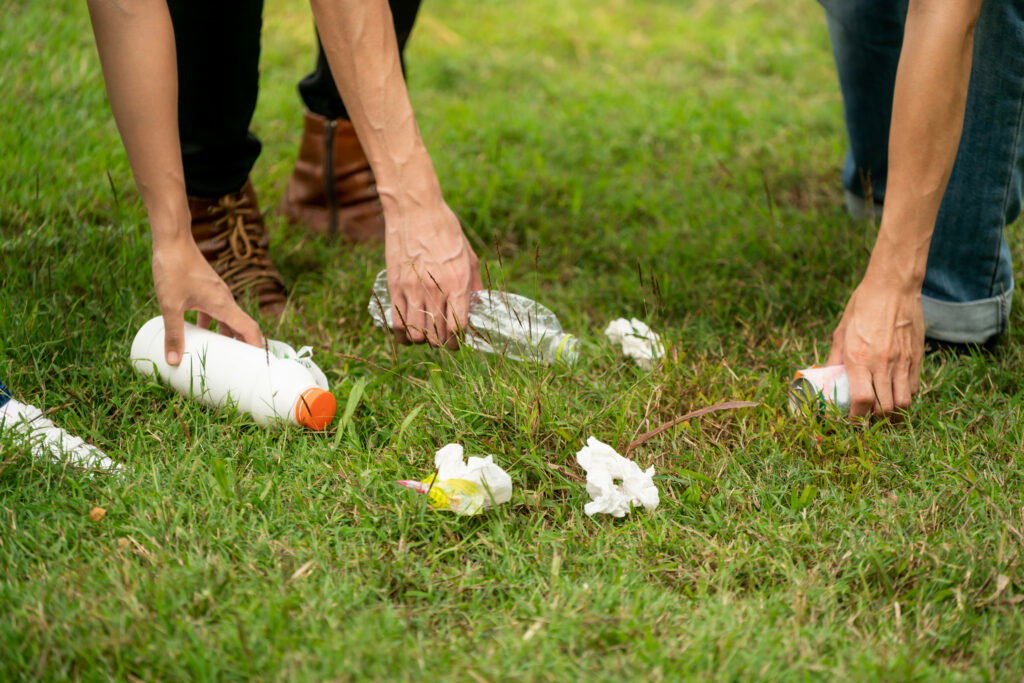
BerlinPay is also designed to support what officials describe as a “responsible tourism model” Photo credit: Summit Art Creations/Shutterstock
Berlin has launched a pilot tourism initiative that rewards visitors for environmentally friendly actions such as picking up litter, using public transport and taking part in local sustainability activities.
The scheme, known as BerlinPay, has been introduced by the city’s tourism organisation Visit Berlin together with the Berlin Senate Department for Economic Affairs, Energy and Public Enterprises. It is designed to promote responsible tourism around the city’s waterways and urban green spaces.
The programme is being rolled out as a summer pilot project running from May 14 to June 14, and is linked to a broader strategy to manage environmental pressure in high-traffic tourist areas, particularly along the River Spree.
How the reward system works
Under the initiative, tourists and residents can take part in selected activities and receive benefits in return. These include vouchers, discounted experiences and free or reduced entry to cultural and leisure attractions.
Actions that may be rewarded include:
- Collecting litter in public areas
- Supporting local environmental or social projects
- Cycling instead of using cars
- Participating in guided clean-up or nature-based activities
The rewards are provided by around 40 partner organisations, including museums, restaurants, transport operators and tourism providers across Berlin. Participation is coordinated through the official Visit Berlin platform, where users can register and choose from thousands of listed activities linked to sustainability themes.
Focus on waterways and urban impact
City officials have placed particular emphasis on Berlin’s waterways, including the River Spree and surrounding lakes, which attract large numbers of visitors during the summer months.
According to the programme framework, the aim is not only to reduce litter but also to encourage more responsible use of shared public spaces. Authorities say tourism places a measurable strain on these environments, particularly during peak travel periods. BerlinPay is also designed to support what officials describe as a “responsible tourism model”, linking visitor activity with environmental awareness and local economic benefits.
Inspired by Copenhagen model
The scheme is based on CopenPay a similar initiative introduced in Copenhagen, where visitors are rewarded for sustainable behaviour such as travelling by train, cycling or participating in environmental activities. Berlin’s version expands the concept to include direct participation in urban environmental upkeep, with a stronger focus on litter collection and water-related conservation projects.
City organisers say the intention is to test whether incentives can encourage more active engagement from visitors, rather than relying solely on regulation or fines.
Should Spain adopt a similar approach or increase fines for littering tourists?
The Berlin model has prompted wider discussion about how tourist destinations manage environmental damage linked to high visitor numbers.
In Spain, where coastal cities such as Barcelona, Palma and Málaga face seasonal pressure from mass tourism, two approaches are often debated: incentive-based schemes like BerlinPay, or stricter enforcement through fines and penalties.
Incentives versus enforcement
Supporters of incentive-based systems argue that rewarding positive behaviour can be more effective than punishment alone. By offering tangible benefits, authorities may encourage tourists to actively participate in keeping destinations clean, rather than simply avoiding fines.
However, critics note that such schemes depend heavily on participation and funding, and may not deter those who are already indifferent to environmental rules.
The case for tougher fines
On the other hand, Spain already operates a system of fines for littering and environmental offences in many municipalities. Some local authorities have increased penalties in recent years to address issues such as street waste, beach pollution and illegal dumping.
Advocates of stricter enforcement argue that higher fines and more visible policing create a clearer deterrent effect, particularly in high-density tourist areas where behaviour can be harder to regulate through voluntary schemes alone.
Finding a balance
A growing number of European cities are now exploring hybrid approaches that combine both models: offering rewards for responsible behaviour while maintaining or increasing penalties for non-compliance. In Spain’s case, the effectiveness of either approach may depend on location. Urban centres with strong tourism infrastructure could potentially benefit from incentive schemes, while heavily visited coastal areas may continue to rely on fines as the primary deterrent.
For now, Berlin’s pilot will serve as a test case for whether reward-based tourism can meaningfully reduce littering and improve environmental behaviour in practice.
Follow Euro Weekly News on Google News
Get breaking news from Spain, travel updates, and expat stories directly on your Google News feed.
Follow on Google NewsSign up for personalised news
Subscribe to our Euro Weekly News alerts to get the latest stories into your inbox!
By signing up, you will create a Euro Weekly News account if you don't already have one. Review our Privacy Policy for more information about our privacy practices.





Molly Grace
Molly is a British journalist and author who has lived in Spain for over 25 years. With a background in animal welfare, equestrian science, and veterinary nursing, she brings curiosity, humour, and a sharp investigative eye to her work. At Euro Weekly News, Molly explores the intersections of nature, culture, and community - drawing on her deep local knowledge and passion for stories that reflect life in Spain from the ground up.
Comments
Sean O’Byrne
15 May 2026 • 17:53As a Berlin resident and frequent visitor to Spain, I can say confidently that the problem in Berlin is equal parts tourism, local slovenliness and lack of enforcement. There are rubbish receptacles on virtually every street corner, yet the streets between them are strewn with litter. Residents are at least as guilty of littering as tourists, and there is little to no bylaw enforcement.
Granted, my trips to Spain are generally in the off-season, but I have always been impressed by its cleanliness compared to Berlin.